How long the interim seal can last
Temporary material keeps the tooth closed only for a while. Ask when it should be replaced and which foods are best avoided. Being pain-free does not tell you the tooth can withstand firm biting.


Before investing in a crown, it is reasonable to ask whether the treated tooth can carry one. For households in Puslinch, we assess what remains and explain honestly whether and how it can be restored.
A successful root canal calms the inside of a tooth, yet the outside is what has to survive years of chewing. So the first question at a restoration visit is a practical one: how much sound tooth is left above the gum, and is it enough to hold a crown or other restoration securely?
Many root-treated teeth can be rebuilt, and plenty of back teeth end up with full coverage because decay or old fillings have taken so much. Others keep strong walls and need less. Occasionally very little remains. The dentist looks at position, cusps, cracks, existing restorations, bite and the gum line before recommending a direction.
Puslinch is a rural township west of Milton, and planning a few well-spaced trips is often easier than many short ones. Tell us who treated the canals, whether the filling is temporary, and bring any records. We will give you a straightforward view of the tooth and set out the foundation, restoration and follow-up.
Your root canal provider can confirm the stages that remain. A temporary filling and a permanent crown come with different care instructions.
Temporary material keeps the tooth closed only for a while. Ask when it should be replaced and which foods are best avoided. Being pain-free does not tell you the tooth can withstand firm biting.
Previous decay, breaks and restorations can leave a tooth thin or short. Ask what is left above the gum and how a crown would gain a grip. That decides what kind of core is needed underneath.
If a specialist treated the canals, confirm when to return for the restoration and ask for reports and images to be sent. Mention any planned review. It helps the assessment start on solid ground.
Call the clinic if the temporary breaks, pain returns or swelling develops while you wait. Ringing ahead lets us advise before you make the trip in.
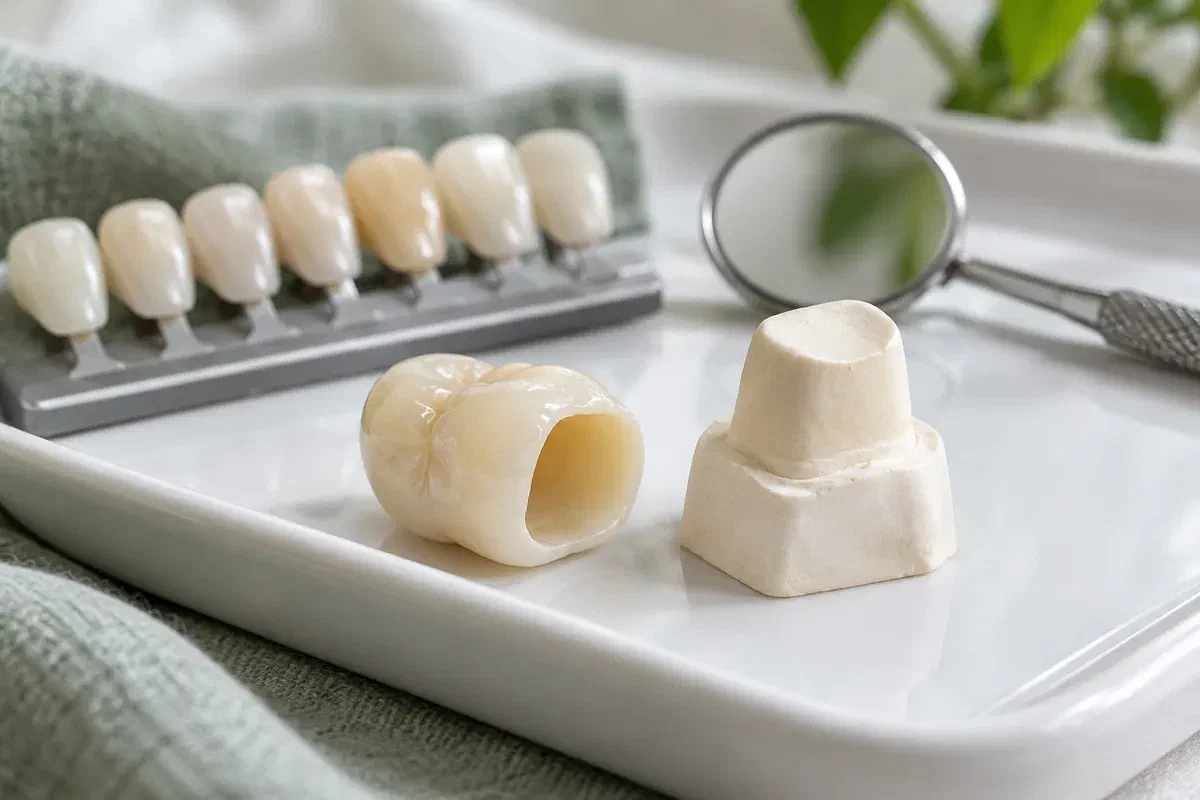
If the tooth can support it, a crown is one way to wrap weakened structure and return a useful chewing shape. Tight margins and a reliable seal are part of the design. Ask how the proposed restoration answers your tooth’s particular damage, and what it would take to make it work.
Function and appearance both play a part. A molar has to cope with chewing load, while a tooth further forward may be visible. These are discussed together with how much natural tooth can be retained.
Patient information: ADA — the role of a dental crown
Ask which areas are weak and why they need covering. The plan should show how the restoration grips what is left and whether a more conservative design could do the job. More coverage has to be justified.
A core build-up can replace lost structure so the crown has enough to hold. A post is considered only when it helps retain that core. Ask which components are proposed and what each achieves.
Fit is checked against neighbouring and opposing teeth. Tell the dentist if something feels high or snags when chewing. Small adjustments are easier to make while you are in the chair.
Appointments vary with the tooth, the foundation and the way the crown is fabricated. Ask for a full outline and estimate first, so you can plan time off and travel.
We examine the tooth, the filling on it, any symptoms and your records, with imaging if needed. If the root canal, the healing or the amount of remaining tooth raises questions, further assessment or a specialist opinion may come first.
When a core is needed, it is placed, and then the tooth is prepared for its restoration. We discuss the material and, where relevant, appearance. Freezing and other comfort measures remain available for the preparation.
A scan or impression is used to make the crown. If a provisional crown goes on, you receive advice on eating and cleaning. Make a note of your next visit and who to call if the provisional moves.
Fit, contacts, shade and bite are confirmed and the crown is cemented. Ask how to clean the margin and when you should be seen again. Regular exams continue to watch the crown and tooth beneath.
Follow your instructions for the provisional and the final crown. A treated tooth still benefits from thorough cleaning, regular checks and an early call about changes.
Choose softer foods on that side and follow any other guidance given. If the provisional comes away, phone for advice. Home glue is not a safe repair, and the tooth should not be left uncovered.
With the final crown in place, check that chewing feels natural. Report a high contact, ongoing tenderness or any change in how your teeth close. Pressing hard to test it does not help.
Twice-daily brushing with fluoride toothpaste and careful cleaning between teeth keep the crown edge healthy. Ask about tools if access is awkward. The tooth beneath can still decay, so keep regular exams.
A clear plan explains who does each step, when, and the cost. Bring any written instructions from your root canal.
Patient information: AAE — restoration principles after root canal treatment
Arrange an assessment at our Bronte Street practice to plan restoring your tooth after root canal treatment. Bring your records and questions, and the dentist will give you a clear view of the options and what each one involves.
Phone if the temporary is lost or the tooth is becoming more painful. Online requests are suited to non-urgent appointments.
