A temporary filling still in place
The material sealing the access is meant for a limited time. Ask how long it should hold and which foods to steer around. Feeling well is not the same as the tooth being ready for full chewing.


The crown is only part of the story; how the tooth is looked after over the years matters as much. From Rockwood, plan a restoration with your health, habits and long-term upkeep in view.
It is easy to think of the crown as the finish line. In practice it is the start of a new phase for the tooth. The root canal has treated the interior; the restoration rebuilds the chewing surface; and then years of brushing, check-ups and ordinary meals decide how well the whole arrangement holds up.
Planning begins with the tooth itself. Back teeth that have lost substantial structure commonly need a crown for protection, while some teeth with sturdy walls can take a smaller restoration. The dentist reviews position, cusps, cracks, previous fillings and bite, and also asks about things like grinding, dry mouth and your medical history.
Rockwood is a village in Guelph/Eramosa, northwest of Milton, so it can help to send records before your first visit. Let us know who did the root canal and whether the filling is temporary. We will examine the tooth, discuss your habits and health, and set out the foundation, restoration and maintenance that fit.
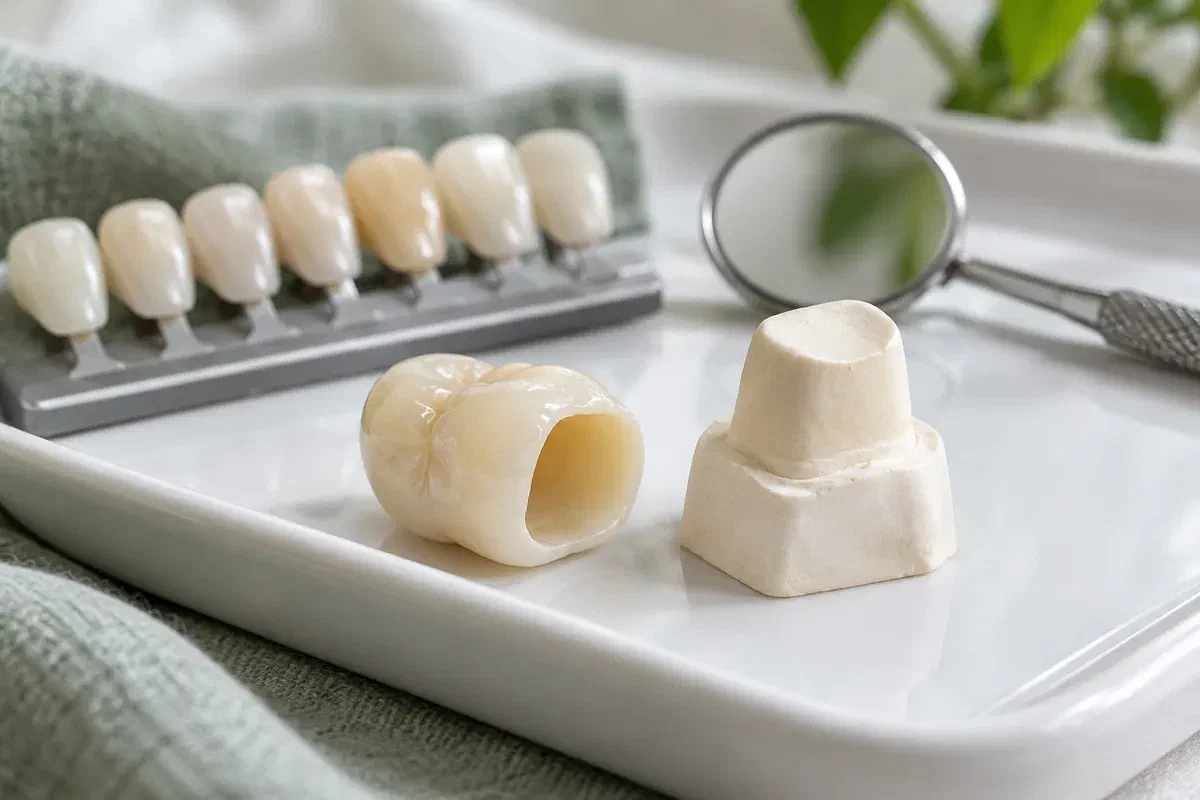
Ask your root canal provider which stages are still to come. Looking after a temporary differs from maintaining a permanent restoration.
The material sealing the access is meant for a limited time. Ask how long it should hold and which foods to steer around. Feeling well is not the same as the tooth being ready for full chewing.
Decay, fractures and old restorations can leave a tooth that needs more than a small filling. Ask what is left and how a crown would connect with it. The foundation and the outer cover go hand in hand.
If an endodontist treated the canals, confirm when to come back for the restoration and whether notes and images are being forwarded. Mention any review they booked. That keeps responsibilities clear.
Phone the clinic if the temporary breaks, the tooth starts hurting or the gum swells while you are waiting. Do not hold on to a new concern until the crown visit.
For a weakened tooth, a crown can bind what remains and recreate a practical shape for chewing. Good margins and a sound seal make the area easier to keep clean. Ask how the planned design responds to the actual damage on your tooth, and how easy it will be to look after.
A molar has to manage heavy chewing, and a front tooth has to look natural. Your habits matter too, such as clenching at night or a tendency to decay. These factors are weighed with keeping as much natural tooth as is sensible.
Patient information: ADA — the role of a dental crown
Ask which cusps or walls need protection and why. You should understand how the restoration sits on the remaining tooth and whether a smaller option would serve. Covering more is not automatically safer.
A build-up may be needed to replace structure and give the crown its shape. A post is added in some cases, where the build-up needs help staying put. Ask what each element of the plan is for.
Your crown is checked against neighbouring and opposing teeth. Say if it feels high or catches. Getting the bite right helps limit uneven stress on the tooth.
Visit numbers vary with the tooth, the core it needs and the way the crown is produced. Request the complete sequence and an estimate in advance.
We review your medical history, medications and habits, then examine the treated tooth and its filling. Imaging may be needed. If the canal work or healing seems uncertain, more assessment can be arranged before the crown.
If indicated, a build-up is placed and the tooth is reshaped to receive the restoration. Material choices are discussed with your bite and habits in mind. Comfort measures are offered during preparation.
Impressions or a scan are taken for the crown. A provisional may be placed, with advice on eating and cleaning while it is on. Note your next date and what to do if the provisional shifts.
Fit, contacts, appearance and bite are confirmed and the crown is fixed in place. We discuss cleaning the margin and how often you should be seen. Regular exams help catch changes early.
Follow the instructions for the provisional and the final crown. Over time, cleaning, regular exams and early reporting of changes do most of the work.
Keep hard and sticky foods away from that side and follow any other advice. If the provisional comes off, call us for guidance. Avoid gluing it yourself or leaving the tooth uncovered.
Once the crown is in use, pay attention to how meals feel. Tell us about a high spot, persistent tenderness or a change in the way you close. If you clench or grind, mention it.
Brush twice a day with fluoride toothpaste and clean between teeth with floss or a small brush. Dry mouth can raise decay risk, so tell us if it affects you. Keep up with exam appointments.
Your plan should spell out who does each stage, when and what it costs. Bring any instructions from your root canal appointment.
Patient information: AAE — restoration principles after root canal treatment
Visit our Bronte Street practice to talk about the restoration your treated tooth needs. Bring your records, health details and questions, and the dentist will examine the tooth and explain how it can be restored and cared for.
Call if the temporary falls out or symptoms are getting worse. Online requests are meant for non-urgent appointments.
