

Illustrative consultation about a protective dental appliance and tooth wear
Restorative Dentistry

Tooth Wear from Grinding

Flattened edges and repeated chips deserve a closer look. Discuss tooth wear from grinding in Milton, with assessment of possible contributors, protection for your teeth, and repairs where they are needed.

A closer look at tooth wear from grinding

Look beyond the worn edge to the forces behind it.

Grinding and clenching, often described as bruxism, can place repeated loads on teeth and restorations. Some people notice the habit during concentrated work; others learn about it from a sleeping partner or a dental examination. Worn edges may be part of the picture, but the appearance of wear alone does not prove when grinding occurs or that it is the only cause.

An assessment considers the pattern of damage, your symptoms, and the history of the teeth. Acid-related wear and other factors may contribute alongside tooth-to-tooth contact. A chipped filling, sensitive tooth, or sore jaw also needs its own evaluation rather than being automatically attributed to grinding.

At Milton Dental Clinic, the aim is to understand what requires protection and what, if anything, needs restoring. Tell us about repeated breakages, changes you have noticed in your smile, or an appliance you already use. We can discuss the findings and a plan that addresses everyday function without promising that one guard or repair will stop every episode of grinding.

Discuss worn teeth and grinding
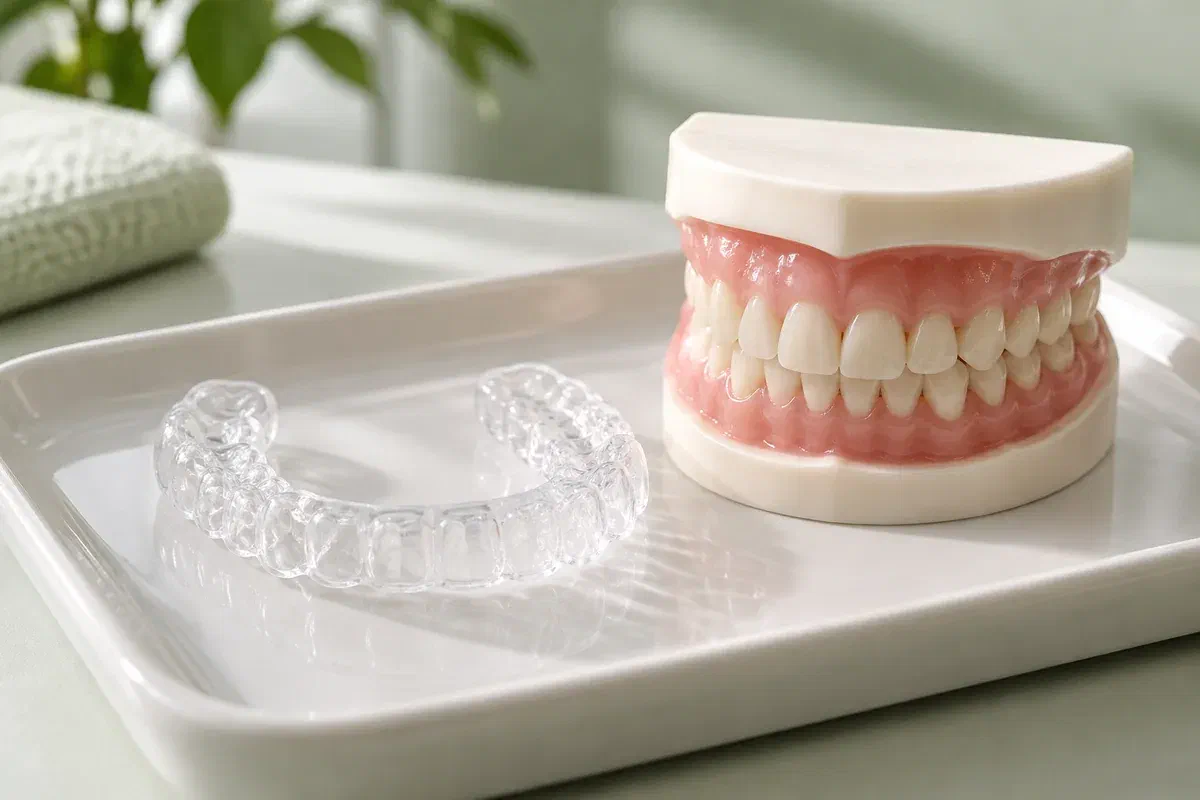
Illustrative clear dental night guard beside a teaching model with worn tooth edges
Signs worth discussing

Notice the pattern, not just the latest chip.

A history of changes helps the dentist distinguish an isolated accident from a recurring problem. Bring an existing night guard and describe when discomfort occurs, even if you are uncertain whether you grind.

Edges seem shorter or flatter

Changes in tooth shape may be gradual and easier to recognize in older photographs. The dentist examines the affected surfaces and opposing teeth. The amount of wear needs to be interpreted in context, including age, past treatment, and other possible contributors.

Repairs keep chipping

Repeated damage to a filling or bonded edge deserves more than another automatic replacement. Discuss the circumstances of each breakage. The design of the restoration, available tooth structure, biting forces, and habits may all influence what should happen next.

Muscles feel tired or uncomfortable

Jaw fatigue on waking or awareness of daytime clenching can be relevant, but these symptoms are not specific to one condition. Tell us about limited movement, locking, or persistent facial pain so the appropriate assessment is considered.

A suddenly painful, cracked, or loose tooth should be assessed promptly. Do not assume that new symptoms are harmless because you have previously been told that you grind.

What a wear-management plan can do

Protect the teeth without overselling a cure.

A protective appliance may be considered to separate the teeth during wear and reduce direct damage. It does not replace missing enamel, and it should not be described as a guaranteed cure for grinding. Its purpose, fit, and follow-up need to be explained in relation to your teeth and symptoms.

For people who clench while awake, awareness and changes in resting habits may also be discussed. Some histories call for medical or sleep-related evaluation. The approach should reflect the findings rather than treating all worn teeth with the same device or assuming that stress is the explanation for every patient.

Patient information: National Institute of Dental and Craniofacial Research — bruxism

A documented starting point

Recording the condition of teeth and restorations provides a basis for future comparisons. Ask what will be monitored, particularly if the changes are subtle or you are unsure whether the wear is recent.

Protection considered before extensive repairs

Where treatment is needed, discuss how the repaired surfaces will be maintained under continued loading. A plan for the environment around a restoration matters as well as the choice of restorative material.

Attention to function and comfort

Some people mainly notice appearance, while others have problems with chewing or sensitivity. Identifying your priority helps the conversation focus on useful outcomes and avoids assuming that every worn edge needs to be lengthened.

Assessment and planning

Explain what you feel. We will look for the pattern.

You do not need to monitor yourself constantly before the visit. A few clear observations about symptoms, breakages, sleep, and existing appliances can help establish the questions that need answering.

  1. Review habits, symptoms, and health

    We discuss whether you notice clenching, whether anyone hears grinding during sleep, and when discomfort appears. Medicines, sleep concerns, and relevant medical history are reviewed. Do not stop a prescribed medicine if you suspect a connection; raise the concern with the appropriate clinician.

  2. Assess teeth, restorations, and the jaw

    The examination looks at wear, cracks, existing repairs, and the way teeth meet. Jaw tenderness and movement may also be assessed. Additional records or investigations are considered when they help answer a specific concern rather than as a substitute for history and examination.

  3. Agree the purpose of each intervention

    Discuss monitoring, habit awareness, an appliance, or restorative care as appropriate. If a guard is recommended, ask about its intended use, material, fees, and review arrangements. If teeth need repair, clarify whether treatment will be localized or require broader planning.

  4. Fit, review, and adapt the plan

    An appliance needs a fit check and instructions, and restorations need their own follow-up. Bring the guard to reviews so it can be examined alongside the teeth. Continuing symptoms or new damage may indicate that the initial plan needs adjustment or further assessment.

Between appointments

Use the plan consistently and report what changes.

Protection works best as part of an ongoing review process. A comfortable appliance, manageable routines, and clear instructions are more useful than a device left unused because a problem was never discussed.

Follow the appliance instructions

Wear and clean a prescribed guard as directed for its material. Keep it away from heat and bring it to dental appointments. Report pressure, damage, or a change in how your teeth meet; do not reshape the appliance yourself.

Notice daytime contact

If awake clenching is part of your history, reminders to relax the jaw and keep the teeth apart at rest may help with awareness. Ask for guidance suited to your symptoms. Avoid repeatedly testing the bite or deliberately grinding to check whether the habit remains.

Keep track of meaningful changes

Note new chips, persistent sensitivity, or a change in the timing of jaw discomfort. Explain whether the appliance is being worn and whether anything makes it difficult to use. Honest feedback helps the team distinguish a fit problem from a need to reconsider the wider plan.

Patient information: NIH News in Health — grinding and clenching

Protection and repair are different decisions

Match the intervention to what the tooth needs.

Not all grinding requires extensive dentistry, and not all wear is caused solely by grinding. Ask which findings support each recommendation and what would be expected if an area were monitored instead.

When teeth remain functional

Monitoring with appropriate protection

Some worn surfaces may not require immediate rebuilding. The plan may focus on relevant habits, a protective appliance when indicated, and reviews for change. Clarify the reason for monitoring and the signs that would justify a different approach.

For a defined chip or damaged surface

Localized restorative care

A suitable area may be repaired with composite or another restoration after the tooth is assessed. Discuss the expected shape and maintenance needs, particularly where loading continues. A repair should be considered alongside the reason previous material or tooth structure was lost.

For widespread or complex damage

Comprehensive wear assessment

Significant changes across several teeth can require records, staged planning, and sometimes specialist input. Ask about conservative options and the impact of proposed bite changes. Extensive crowns or irreversible alterations should not be presented as a routine way to cure grinding.

Patient information: UK oral health guidance — causes and monitoring of tooth wear

Questions about grinding-related wear

Understand what protection can and cannot promise.

Questions about night guards, chipped restorations, and jaw discomfort often overlap. A useful answer separates the condition of the teeth from the cause of symptoms and the purpose of a proposed appliance.

(905) 876-4488
Do flat tooth edges prove that I currently grind at night?
No. Wear reflects what has happened over time and may have more than one contributor. Your history, symptoms, examination, and sometimes further evaluation help interpret it. A worn surface alone cannot establish how often grinding happens now or whether it occurs during sleep rather than while awake.
Will a night guard rebuild the enamel worn away by grinding?
No. A guard is a protective appliance, not a replacement for missing tooth structure. If an area needs rebuilding for comfort, function, or another clear reason, that is a separate restorative decision. Some worn areas may be monitored rather than repaired immediately.
Can I still clench while wearing a protective dental guard?
Yes. An appliance may protect the teeth without stopping every episode of jaw-muscle activity. Ask what the particular device is intended to achieve and how its effect will be reviewed. Persistent symptoms should prompt discussion rather than assuming that a thicker or different guard automatically solves the problem.
Should I mention snoring when booking an assessment for grinding wear?
Yes, especially if there are breathing pauses, marked daytime sleepiness, or other sleep concerns. Those details may indicate a need for medical or sleep evaluation. A standard protective night guard is not the same as treatment for a diagnosed breathing disorder, and the two should not be confused.
Why might a repaired front edge chip again if I grind?
A repaired edge remains exposed to the forces acting on the tooth. Material, available bonding surface, bite, and habits can all influence performance. Repeated breakage calls for reassessment of the tooth and plan rather than simply repeating the same repair without discussing what may be contributing.
Will changing my bite permanently stop tooth grinding?
That should not be promised. Grinding can involve several factors, and irreversible changes to teeth are not a routine cure. Ask for the specific diagnosis, purpose, alternatives, and risks before any extensive bite alteration. Persistent jaw symptoms may need a separate evaluation rather than more restorative treatment.

Patient information: NIDCR — jaw disorders and treatment considerations · American Dental Association — obstructive sleep apnea

Tooth wear from grinding in Milton

Let’s give the repeated damage a closer look.

Book an assessment at our Bronte Street clinic for worn edges, recurring chips, or concerns about clenching. Bring any guard you use and describe what has changed. We can discuss protection, monitoring, and whether a particular tooth needs restorative attention.

Call about a painful crack, significant swelling, or a sudden change in jaw function. Online requests are for non-urgent enquiries.

Visit Milton Dental Clinic
Unit 1, 342 Bronte St. S, Milton, ON L9T 5B7
Get directions Clinic hours
Monday–Thursday
11am–7pm
Friday–Sunday
By appointment only

How can we help?

Milton Dental Clinic

Have a question about your smile? Choose the option that works best for you.

For urgent dental concerns, please call.
Messages are reviewed during clinic hours.