Biting surfaces worn smooth
Molars and canines that have lost their natural shape may show grinding wear. The dentist compares them with opposing teeth and considers age, past dental work, and acid before deciding how significant the wear is.


Worn teeth, loud snoring, and mornings that never feel rested can turn up together. For people travelling from Rockwood, we assess the dental side, explain what a guard can and cannot do, and flag when your physician should be involved.
Sleep is often where the story starts. A partner mentions snoring and grinding in the same breath, or you wake with a sore jaw after a night that did not feel restful. Sleep bruxism, the grinding and clenching that happens overnight, can wear teeth and strain fillings. It sometimes occurs alongside other sleep concerns, though worn surfaces alone cannot say when grinding happened or what triggered it.
Keeping questions separate is important here. Acid, ageing restorations, and the bite can all add to wear. A tired jaw might come from muscles or the joint. And daytime sleepiness or breathing pauses are medical questions rather than dental ones, even if the dentist is the first to hear about them.
Rockwood is northwest of our Milton clinic. When people from there come in, we examine teeth, restorations, and jaw, ask about sleep in practical terms, and look at any guard already in use. We then explain the dental options and suggest when a physician’s assessment would be sensible. A standard guard protects teeth; it does not treat a sleep disorder or promise to stop grinding.
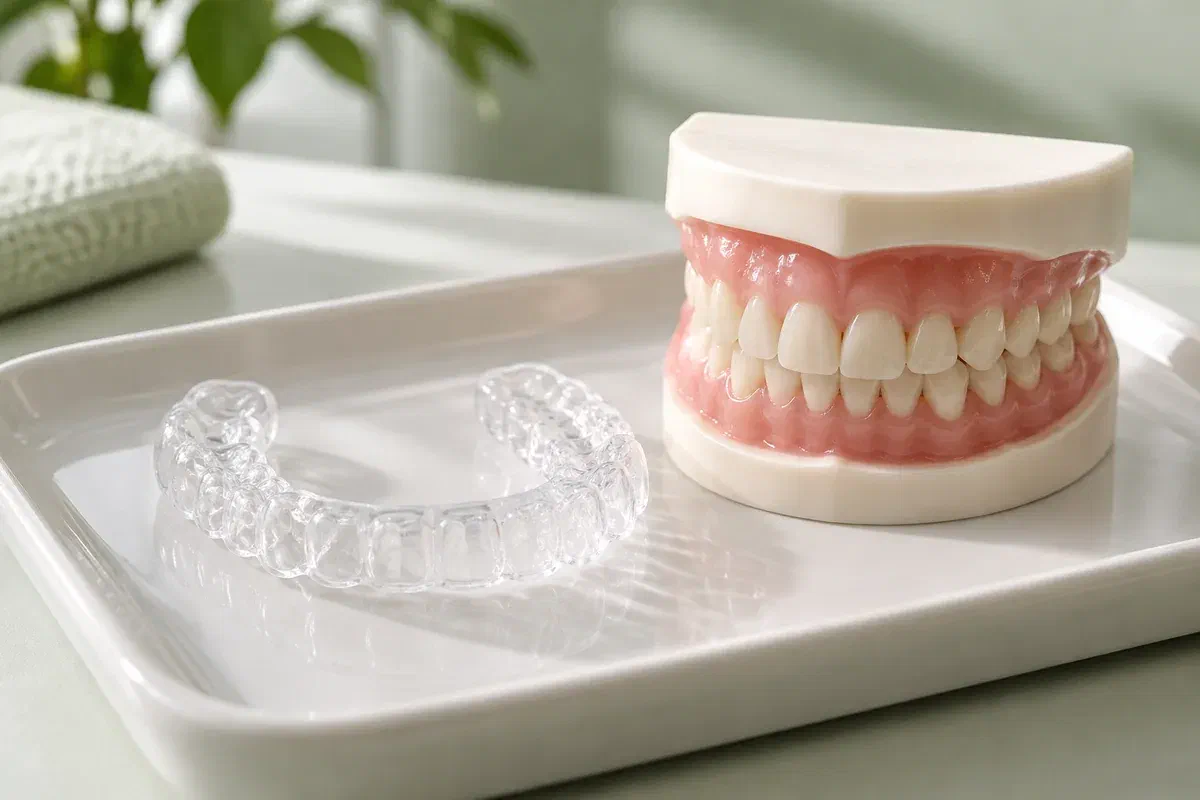
It helps to describe both dental and sleep observations. Bring any appliance you own and share what others have noticed, even if you are not sure you grind.
Molars and canines that have lost their natural shape may show grinding wear. The dentist compares them with opposing teeth and considers age, past dental work, and acid before deciding how significant the wear is.
Fillings or crowns that break or wear quickly may be under heavy night-time load. Describe when problems occurred. Material, tooth structure, bite, and sleep habits all influence the best next step.
Waking with tired jaw muscles or a dull headache can accompany sleep grinding, but both have many other causes. Mention locking, limited opening, ongoing facial pain, or significant daytime sleepiness so the right assessment is considered.
Sudden tooth pain, a crack, or a loose tooth needs prompt attention. Breathing pauses during sleep or severe daytime sleepiness should be raised with your physician.
If night grinding is likely, a protective appliance may be recommended to keep the teeth from grinding on each other. It can reduce further wear. It does not restore enamel and is not a cure for bruxism. It is also not designed to treat snoring or breathing problems, and the two should not be confused.
When the history includes loud snoring, observed pauses in breathing, or persistent tiredness, the dentist may suggest that you speak with your physician. Daytime clenching, if present, is discussed in terms of awareness. The plan reflects findings, not an assumption that stress or a single device explains everything.
Patient information: National Institute of Dental and Craniofacial Research — bruxism
Documenting teeth and restorations gives a reference for later, and a summary that can be shared with your physician if you wish. Ask which areas will be monitored.
If any tooth needs restoring, ask how it will be protected during sleep. The forces around a restoration matter as much as the material chosen.
For some people it is sore teeth; for others, appearance or simply understanding what is going on. Naming your priority keeps the conversation focused and avoids treating every worn edge.
You do not need to track your sleep in detail. A few observations from you or a partner, notes on breakages, and any guard you own are a good start.
We ask whether grinding or snoring has been noticed, how rested you feel, and whether you clench in the day. Health history and medicines are reviewed. Continue any prescribed medicine and discuss concerns about it with your prescriber.
The dentist checks wear, cracks, restorations, and how teeth meet, and may assess jaw movement and muscles. X-rays, photos, or models are added only if they would settle a particular uncertainty, such as whether a tooth is cracked.
The conversation might cover watching the wear, noticing daytime habits, a guard, repairs, or a suggestion to see your physician. Ask what any appliance is for, its material, fee, and review plan, and whether repairs are limited or broader.
New appliances come with a fitting appointment and care advice, while any repairs follow their own review schedule. Bring the guard to later visits. If sleep symptoms change or new damage appears, the plan may need revisiting, sometimes with input from your doctor.
Ongoing review is part of good care. A guard that is comfortable, clear instructions, and keeping both your dentist and physician informed help the plan work.
Wear and clean the appliance as advised for its material, and store it dry in its case away from heat. Bring it to visits. If it feels tight, cracks, or changes your bite, call rather than adjusting it.
Where clenching happens while awake, simple reminders to rest the jaw with teeth apart may help. Ask for advice suited to your symptoms. There is no need to grind deliberately to see if the habit is still there.
Tell us about new chips, lingering sensitivity, or jaw discomfort. Tell your physician about changes in snoring, breathing, or tiredness. If the guard spends more nights on the bedside table than in your mouth, say so, along with the reason.
Patient information: NIH News in Health — grinding and clenching
When snoring, tiredness, and worn teeth arrive together, the questions tend to merge as well. A good answer keeps three things apart: what the dental examination found, which sleep concerns belong with your physician, and what any appliance is actually meant to do.
Patient information: NIDCR — jaw disorders and treatment considerations · American Dental Association — obstructive sleep apnea
Plan a visit to our Bronte Street practice for worn molars, chipped fillings, or grinding a partner has heard. Your current appliance is welcome too. We will explain dental protection and repair, and when talking to your physician makes sense.
Call promptly about a painful crack, swelling, or a jaw that will not open. For breathing concerns, contact your physician. Online requests are non-urgent.
