

Illustrative patient and clinician discussing gentle brushing with a dental teaching model
Specialized Care

Bleeding Gums Treatment in Caledon

Told you need “a deeper cleaning” and not sure what that means? A bleeding-gum assessment explains what the measurements and findings show, why one level of care is recommended over another and what each option would involve.

Caledon: making sense of gum findings

Cleaning, deeper care or referral: how is it decided?

Bleeding gums lead some people straight to a decision they did not expect: a recommendation for more than a routine cleaning. Before agreeing to anything, it is reasonable to want to understand the findings. A good assessment explains what was measured, what it suggests and why the proposed level of care fits.

Plaque-related inflammation at the gum edge is common and often responds to cleaning and better home care. Sometimes the examination shows the support around the teeth is involved too. Local factors such as a restoration that traps food, along with health conditions and medicines, also shape the plan. A stronger rinse cannot settle which situation you are in.

Tell us where the bleeding is, how long it has lasted and whether you have noticed soreness, swelling or a tooth that moves. If another office has already made a recommendation, mention it. We will walk you through what we find, the options and the review that would follow.

Get your findings explained
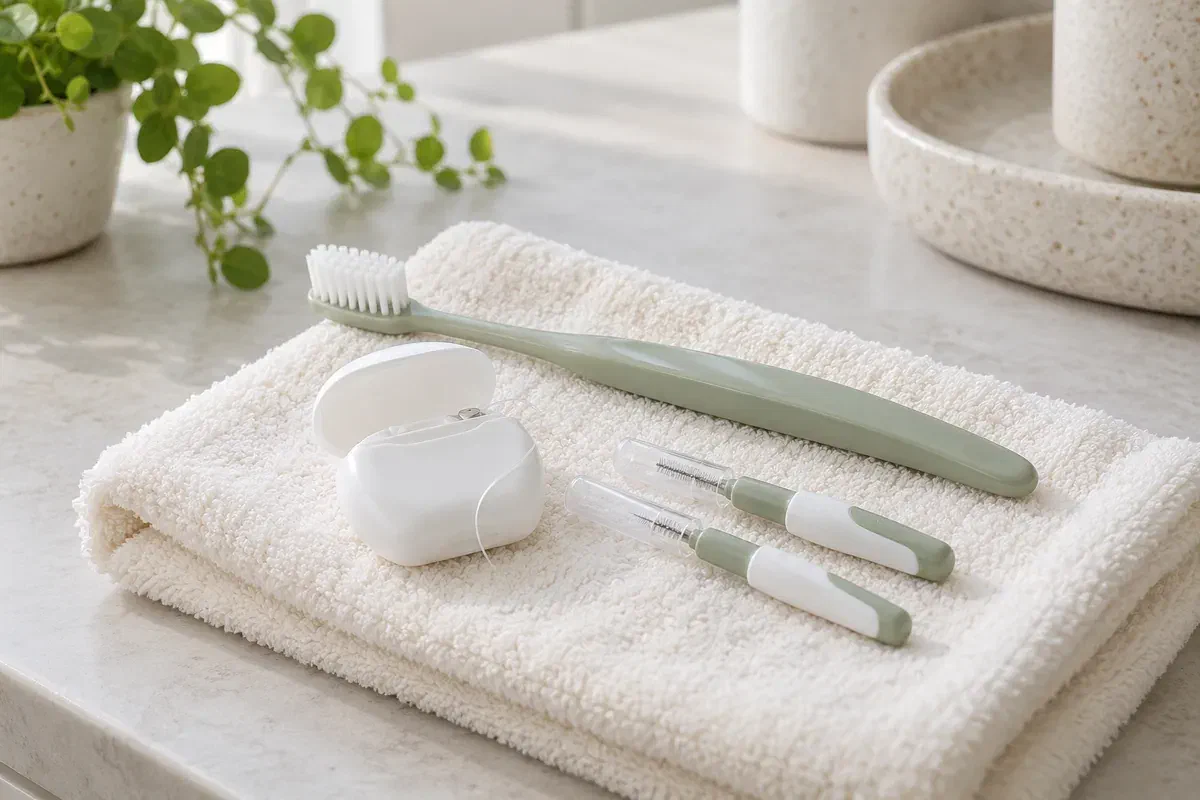
Illustrative soft toothbrush, interdental brushes, and floss container on a clean ivory towel
Information that guides the decision

Your history helps place the bleeding in context.

Painless bleeding still deserves to be raised. Note whether it involves one tooth or several areas, and whether it has changed since any previous gum treatment or checkup.

Bleeding during daily cleaning

Describe how your brush, floss or interdental tools affect the gums and which areas resist cleaning. Bring the tools if you like. After examining those areas, the team can explain whether technique, the tissue or both are involved and show you an approach that fits.

Soreness, swelling, taste or a shifting tooth

Mention these together with the bleeding. A tooth that feels looser or chewing that has become uncomfortable can be especially relevant. These details can change the urgency and the scope of the examination, and they help explain which level of care is proposed.

Health conditions and medicines

Bring a current list of medicines and mention any condition or bleeding elsewhere. Do not stop prescribed medicines because your gums bleed. The dental team can judge whether to coordinate with your physician, which may also affect how treatment is planned.

Gums that bleed when brushed should be examined. Seek prompt advice for heavy or persistent bleeding, bleeding with no cleaning, bleeding after trauma to the mouth or bleeding paired with other symptoms that concern you.

What a clear explanation offers

Agreeing to care you actually understand.

The examination distinguishes inflammation limited to the gum margin from findings that indicate the tissue holding the teeth needs a more detailed periodontal assessment. Ask to hear the measurements in plain language and what they mean for each area. When you see how the findings lead to the recommendation, the choice between a routine cleaning and further treatment stops feeling arbitrary.

Understanding also makes home care more purposeful. If you know which areas are most affected, you know where to focus. Tell us if a tool does not fit or an area is too sore to clean, so the routine you leave with matches both the findings and what you can do.

The reasoning, not just the recommendation

Ask how the findings connect to the proposed care and whether a local factor is involved. If a rinse or toothpaste forms part of the plan, its role should be stated. You should be able to explain the plan to someone else after the visit.

Home care that targets the affected areas

Request a demonstration in the places with the most significant findings, including around restorations or crowding. Confirm the tool, the size and how gently to work. Show the routine back before leaving so any questions are answered.

A review that compares measurements

Ask when you will be re-examined and which measurements or findings will be compared. Less bleeding at home is welcome news, but re-examination is how progress is confirmed. Agree on what would prompt an earlier call.

How the decision is reached

Each step builds the case for the next.

How many visits are needed depends on the findings and the option chosen. If you are worried about discomfort or have had a difficult gum treatment before, say so when booking so it can be discussed.

  1. Gather symptoms, history and previous advice

    Tell us when the bleeding started, where it occurs and whether there has been pain, swelling or bleeding with no cleaning. We review your routine, health, medicines, past gum care and any earlier recommendations. That gives the examination its focus.

  2. Measure and examine the gums

    The clinician examines the tissue and may chart measurements around each tooth to assess its support. Dental images are considered where indicated. Ask what each number or finding means, rather than taking the amount of bleeding as a guide to severity.

  3. Explain options and begin care

    Depending on the findings, the plan may involve professional cleaning, more detailed periodontal treatment, attention to a local irritant or referral. Ask what each option includes, how comfort is handled and what it costs. Instructions for any rinse or medicine should be tailored to you.

  4. Re-measure and decide what comes next

    At follow-up, findings are compared with the starting point. Report anything that made the routine or appointments difficult. If an area has not improved as hoped, further investigation or a referral to a specialist may be discussed, along with the reasons.

Supporting the plan at home

Focus where the findings were strongest.

Follow the guidance that came with your diagnosis and treatment. If an area remains sore to clean or bleeding persists, ask for an earlier review instead of avoiding it or brushing harder.

Clean the priority areas with care

Use the brushing and between-teeth method demonstrated for your mouth, paying particular attention to the areas identified. If a tool will not fit comfortably, call for advice. Forcing floss or a wide brush into a tight space can harm the gum without removing more plaque.

Products with a defined role

Any rinse or gel you were given should come with its purpose, duration and precautions explained. It complements brushing and professional treatment and does not replace them. Keep taking prescribed medicines unless the prescriber says otherwise, and update us on changes.

Return for re-measurement

Report whether bleeding has reduced, stayed the same or appeared elsewhere. Mention tenderness, swelling or any tooth that seems less firm, even if bleeding has improved. The review is where measurements are compared and the next step is chosen.

Comparing the options

Three levels of care, and the findings behind each

Ask how each option addresses the cause, what it involves and how success will be measured. The diagnosis should drive the choice, not a rinse’s strength or a toothpaste’s marketing.

Fits when inflammation stays at the gum edge

Professional cleaning and coaching

When plaque-related gingivitis is the main finding, a cleaning and practical home-care support may be the starting point. Ask which areas need focus. A review should be planned, rather than a promise that one visit ends bleeding permanently.

Usually chosen when the supporting tissue is involved

Periodontal treatment and maintenance

If measurements and other findings show deeper involvement, more detailed gum treatment may be advised in stages, followed by regular maintenance. Ask about the number of visits, comfort options, fees and how often maintenance is needed. A referral may be suggested, with the reason explained.

Considered if the pattern points to something else

Separate review of another factor

A food trap, an irritating restoration or a medical factor may need its own assessment. Ask what can be handled dentally and whether your physician should be consulted. Not all bleeding comes from technique, and bleeding linked to medicine still needs a proper review.

Questions about treatment levels

Understanding the recommendation before you decide.

You can book without knowing the diagnosis. Ask about measurements, options, medicines, treatment and review.

(905) 876-4488
What do the gum measurements actually tell the clinician?
Measurements around each tooth help show how well it is supported and whether the gum has pulled away to form a deeper space. Ask the clinician to explain your numbers in plain terms and what they mean for the plan.
What is the difference between a regular cleaning and periodontal treatment?
A regular cleaning addresses plaque and tartar above and around the gumline. Periodontal treatment goes further when the supporting tissue is involved. Ask which you need and why, based on your findings.
Can I get a second opinion on a recommended gum treatment?
Yes. You are welcome to ask questions or seek another opinion. Bring any previous findings or recommendations so the clinician can review them alongside a fresh examination.
Will I need to see a gum specialist?
Some people are referred to a periodontist, depending on the findings and how the tissue responds. If a referral is suggested, ask why and what to expect.
Is painless bleeding still a reason to consider treatment?
It can be. Lack of discomfort does not show the gums are healthy. The examination and measurements help determine whether cleaning, more detailed care or monitoring is appropriate.
If I start periodontal care from Caledon, how often would I need to come in?
It depends on the plan and how your gums respond. Ask for an outline of the stages and maintenance intervals so you can plan visits ahead and combine them with other appointments where possible.
Bleeding gums care for Caledon

Understand the findings first. Then choose.

From Bolton or any of Caledon’s smaller villages, speak with our Bronte Street practice about bleeding during brushing or flossing, or about a gum treatment recommendation you want explained. We will examine the tissue, go through the options and help you plan care you are comfortable with.

Cause, urgency, treatment stages, review interval and fees are confirmed by assessment. Bleeding alone is not a diagnosis, and no single cleaning can be promised to resolve the concern.

Visit Milton Dental Clinic
Unit 1, 342 Bronte St. S, Milton, ON L9T 5B7
Get directions Clinic hours
Monday–Thursday
11am–7pm
Friday–Sunday
By appointment only

Areas we serve

  • Milton
  • Oakville
  • Mississauga
  • Georgetown
  • Halton Hills
  • Acton
  • Campbellville
  • Brampton
  • Burlington
  • Puslinch
  • Rockwood
  • Erin
  • Caledon
  • Etobicoke
  • Old Milton
  • Bronte Meadows
  • Timberlea
  • Dorset Park
  • Dempsey
  • Clarke
  • Beaty
  • Coates
  • Harrison
  • Scott
  • Willmott
  • Ford
  • Bowes
  • Cobden
  • Walker
  • Mountain View
  • Milton Heights
  • Hawthorne Village
  • Valley View
  • Fallingbrook
  • Nassagaweya
  • Trafalgar
  • Esquesing
  • Nelson
  • Brookville
  • Moffat
  • Glen Williams
  • Norval
  • Limehouse
  • Stewarttown
  • Ashgrove
  • Hornby
  • Silver Creek
  • Speyside
  • Scotch Block
  • North Oakville
  • River Oaks
  • Glen Abbey
  • West Oak Trails
  • Palermo
  • Bronte Creek
  • College Park
  • Joshua Creek
  • Uptown Core
  • Preserve
  • Iroquois Ridge
  • Lisgar
  • Meadowvale
  • Meadowvale Village
  • Churchill Meadows
  • Erin Mills
  • Central Erin Mills
  • Streetsville
  • East Credit
  • Creditview
  • Heartland
  • Sheridan
  • Mount Pleasant
  • Credit Valley
  • Huttonville
  • Churchville
  • Springbrook
  • Northwest Brampton
  • Bram West
  • Fletcher's Meadow
  • Fletcher's Creek South
  • Alton Village
  • Orchard
  • Millcroft
  • Headon Forest
  • Tansley
  • Brant Hills
  • Tyandaga
  • Kilbride
  • Lowville
  • Aberfoyle
  • Morriston
  • Arkell
  • Hillsburgh
  • Freelton
  • Carlisle
  • Waterdown
  • Flamborough
  • Mountsberg

How can we help?

Milton Dental Clinic

Have a question about your smile? Choose the option that works best for you.

For urgent dental concerns, please call.
Messages are reviewed during clinic hours.