

Illustrative patient and clinician discussing gentle brushing with a dental teaching model
Specialized Care

Bleeding Gums Treatment in Georgetown

Bleeding that comes with a sour taste, puffy gums or a tooth that suddenly feels different raises a fair question: can this wait for a routine visit? Call us to talk it through, then have the gums examined and a plan set.

Georgetown: bleeding with other symptoms

Routine visit, or sooner? Start by describing everything.

On its own, a bit of blood when brushing usually points toward booking an assessment at a convenient time. Add soreness, swelling, a persistent bad taste or a tooth that feels loose, and timing becomes part of the conversation. Rather than deciding alone at home in Georgetown, phone and describe the whole set of symptoms.

Inflammation set off by plaque is still a common thread. What else contributes varies from person to person: how thoroughly the gumline is cleaned, a filling or crown that collects debris, medical conditions and regular medicines. A new mouthwash may change the taste for a day or two and tell you nothing about why it started.

During the call and the visit, say where the bleeding is, how long it has lasted and what else you have felt. You will not be judged for how you clean now. The clinician will explain the findings, how urgent they seem and the treatment and follow-up that make sense.

Call about your gums
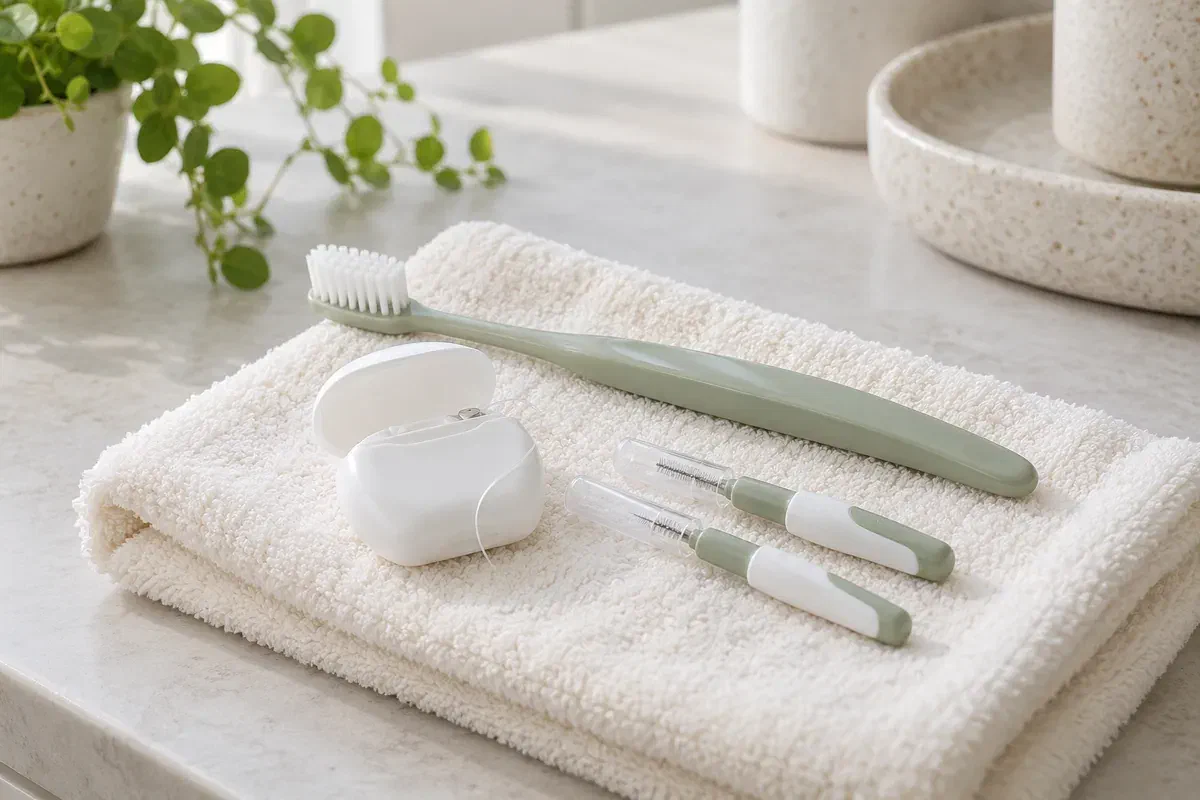
Illustrative soft toothbrush, interdental brushes, and floss container on a clean ivory towel
Symptoms that change the timing

Tell us the whole cluster, not just the bleeding.

Bleeding that does not hurt still counts. Let us know if it is limited to one place or more widespread, and whether anything has changed since you were last seen.

Bleeding when you clean

Say what happens with your toothbrush, floss or interdental brushes and where cleaning is hard. Feel free to bring the tools. After checking those gums, the team can show you an approach that cleans properly without forcing into the tissue.

Soreness, swelling or a sour taste

These, along with a tooth that has become mobile or chewing that suddenly feels uncomfortable, can raise the priority of your visit and widen the examination. Mention all of them on the phone. A sign that seems small alone may carry more weight in combination.

Bleeding alongside a medical change

Have an updated list of medicines and mention any condition or bleeding elsewhere in the body. Do not stop a prescribed medicine because of your gums. The team will consider whether your physician should be involved and explain what comes next.

Any bleeding while brushing is worth assessing. Call promptly for heavy or ongoing bleeding, bleeding that starts without cleaning, bleeding after an injury, or bleeding that comes with swelling, feeling generally unwell or other worrying symptoms.

Why the examination matters

Sorting the everyday from the more serious.

With the gums in front of them, your clinician can judge whether inflammation is limited to the gum edge or whether the tissue supporting your teeth shows signs that need a fuller periodontal review. A swollen or tender area may need its own attention as well. Ask what was observed and why the suggested level of care follows from it.

After the visit you still need a routine that works. If a particular area is too sore to clean, if floss catches or if a brush is simply too large, tell us. Good advice adapts to those difficulties and leaves you with something you can actually maintain.

Explanations before purchases

Find out what explains the bleeding and any swelling, and whether a local factor is involved. A product may be part of the plan when there is a defined reason. Collecting rinses without one tends to delay the real answer.

Technique around the tender areas

Have the team show you how to clean near swollen or hard-to-reach spots, including any crowns or crowding. Confirm the size and type of tool and how lightly to use it. Talk the routine back before leaving.

A defined point to check progress

Ask when the gums will be reassessed and what will be compared. Less bleeding and swelling at home is encouraging, but only a re-examination confirms it. Agree on which symptoms mean you should phone before the planned date.

How we handle the visit

Phone triage, examination, treatment and recheck

How many visits you need follows from what is found. If you feel anxious about a sore area or had a rough cleaning experience before, mention it so the appointment can be planned with care.

  1. Describe symptoms and health history

    Explain when the bleeding started, where it is and whether there is pain, swelling or spontaneous bleeding. We review your routine, health, medicines and any past gum care. That shapes how soon you are seen and what needs particular attention.

  2. Examine the gums and supporting tissues

    The clinician looks closely at the tissue, may record measurements beside the teeth and considers dental images where indicated. Swollen areas are examined carefully. Ask for the findings to be explained rather than assuming bleeding alone shows the severity.

  3. Treat or plan the next step

    Care might include a professional cleaning, more detailed gum treatment, managing a local problem or further assessment. Ask what is involved and how your comfort will be handled. Any rinse or medicine should come with instructions specific to your plan.

  4. Recheck healing and adjust

    At follow-up, symptoms and examination findings are compared with the first visit. Mention any trouble with tools or attending. Persistent swelling or bleeding may need further investigation or referral rather than a repeat of earlier advice.

Looking after sore gums at home

Gentle around the tender spots, thorough everywhere else.

Use the instructions tied to your diagnosis and treatment. If a sore area stays too painful to clean or keeps bleeding, call for a review rather than leaving it alone or pressing harder.

Clean as you were shown

Follow the brushing and between-teeth method from your visit. If a tool hurts or does not fit, phone and describe the problem. Do not push floss or a large brush into a narrow or swollen space. Consistent, gentle plaque removal is the goal.

Use products with a clear purpose

A recommended rinse or gel should come with its reason, duration and cautions spelled out. It is an addition to brushing and professional care, never a replacement. Keep taking prescribed medicines unless the prescriber advises a change, and tell us about updates.

Report changes at the review

Say whether the bleeding, swelling and taste have improved, stayed the same or moved. Mention any tooth that feels different even if other things are better. The review is how the team decides whether to continue or change course.

What treatment may involve

One of three directions, depending on the findings

Ask how the proposed care tackles the cause and how progress will be checked. The decision should follow a diagnosis, not the colour of a toothpaste or the strength of a rinse.

When inflammation from plaque is the main issue

Cleaning and home-care guidance

Professional cleaning and practical coaching are a common starting point. Ask which areas need extra care and how to maintain them. A review should be part of the plan; no single visit can promise bleeding will never return.

When the deeper supporting tissue is involved

Periodontal treatment with maintenance

Measurements and other findings may lead to further gum treatment in stages. Discuss comfort, fees and maintenance, and ask whether a referral is being considered and why.

When swelling or the pattern suggests another cause

Managing a local or medical contributor

A localized swelling, a food trap, a rough restoration or a medical factor may each need separate attention. Ask what can be dealt with dentally and whether your physician should be consulted. Technique is not always the explanation, and bleeding on medicine still needs proper review.

When bleeding comes with more

Answers about swelling, taste and timing.

You can call from Georgetown without knowing the cause. Ask about urgency, cleaning, medicines, treatment and reviews.

(905) 876-4488
My gums bleed and taste bad. Should I come in sooner?
A persistent bad taste with bleeding is worth mentioning when you call, as it may affect how soon you should be seen. The team will ask about other symptoms, such as swelling, pain or a loose tooth, and advise on timing. If you feel unwell or the bleeding is heavy, say so straight away.
Is a swollen gum near one tooth the same as bleeding gums?
Not necessarily. Localized swelling can have a different cause and may need its own assessment. Describe it when booking, including how quickly it appeared and whether it is tender, so the clinician can examine that area carefully and explain what it means.
Can I take a pain reliever before my appointment?
Use any over-the-counter medicine only as directed on the label and suitable for your health. Tell the dental team what you took and when, and do not stop or change prescribed medicines. If you are unsure what is safe for you, a pharmacist or your physician can advise.
My tooth feels slightly loose and the gum bleeds. What should I do?
Arrange an assessment and mention the looseness when you call. Changes in tooth stability alongside bleeding may affect urgency and are an important part of the examination.
Does a gum that bleeds without pain still need treatment?
It may. Comfort does not confirm health. The clinician can check inflammation and the supporting tissue and explain whether cleaning, more detailed care or another review is appropriate.
What will tell us the treatment is working?
The follow-up compares examination findings with the first visit, along with your report of bleeding, swelling and taste. That comparison guides whether to continue maintenance, change the routine or investigate further.
Bleeding gums treatment for Georgetown

Describe the symptoms. We will help with the timing.

Phone our Bronte Street practice about gums that bleed when you brush, floss or eat, especially with swelling or a bad taste. We will advise on urgency, examine the tissue and set up care you can manage at home.

The cause, urgency, number of stages, review timing and fees depend on assessment. One symptom does not confirm a diagnosis, and no single cleaning is guaranteed to resolve the concern.

Visit Milton Dental Clinic
Unit 1, 342 Bronte St. S, Milton, ON L9T 5B7
Get directions Clinic hours
Monday–Thursday
11am–7pm
Friday–Sunday
By appointment only

Areas we serve

  • Milton
  • Oakville
  • Mississauga
  • Georgetown
  • Halton Hills
  • Acton
  • Campbellville
  • Brampton
  • Burlington
  • Puslinch
  • Rockwood
  • Erin
  • Caledon
  • Etobicoke
  • Old Milton
  • Bronte Meadows
  • Timberlea
  • Dorset Park
  • Dempsey
  • Clarke
  • Beaty
  • Coates
  • Harrison
  • Scott
  • Willmott
  • Ford
  • Bowes
  • Cobden
  • Walker
  • Mountain View
  • Milton Heights
  • Hawthorne Village
  • Valley View
  • Fallingbrook
  • Nassagaweya
  • Trafalgar
  • Esquesing
  • Nelson
  • Brookville
  • Moffat
  • Glen Williams
  • Norval
  • Limehouse
  • Stewarttown
  • Ashgrove
  • Hornby
  • Silver Creek
  • Speyside
  • Scotch Block
  • North Oakville
  • River Oaks
  • Glen Abbey
  • West Oak Trails
  • Palermo
  • Bronte Creek
  • College Park
  • Joshua Creek
  • Uptown Core
  • Preserve
  • Iroquois Ridge
  • Lisgar
  • Meadowvale
  • Meadowvale Village
  • Churchill Meadows
  • Erin Mills
  • Central Erin Mills
  • Streetsville
  • East Credit
  • Creditview
  • Heartland
  • Sheridan
  • Mount Pleasant
  • Credit Valley
  • Huttonville
  • Churchville
  • Springbrook
  • Northwest Brampton
  • Bram West
  • Fletcher's Meadow
  • Fletcher's Creek South
  • Alton Village
  • Orchard
  • Millcroft
  • Headon Forest
  • Tansley
  • Brant Hills
  • Tyandaga
  • Kilbride
  • Lowville
  • Aberfoyle
  • Morriston
  • Arkell
  • Hillsburgh
  • Freelton
  • Carlisle
  • Waterdown
  • Flamborough
  • Mountsberg

How can we help?

Milton Dental Clinic

Have a question about your smile? Choose the option that works best for you.

For urgent dental concerns, please call.
Messages are reviewed during clinic hours.