
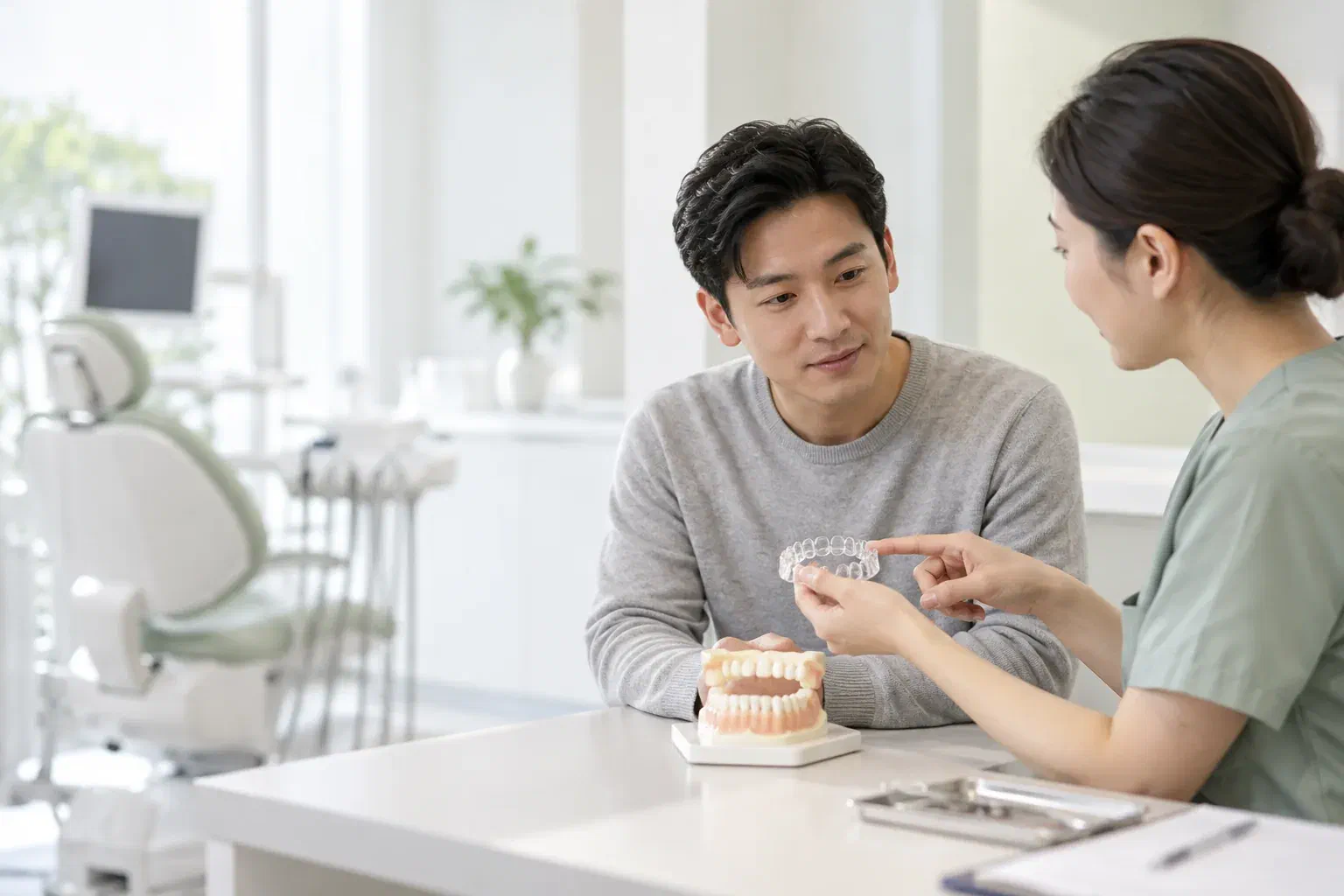
Illustrative patient and clinician discussing a fitted splint on a dental model
Specialized Care

Custom Occlusal Splints

An occlusal splint should come with an explanation of its purpose, fit, and review plan. Discuss custom occlusal splints in Milton to understand the proposed appliance, how to use it, and what findings will guide continued care.

A closer look at custom occlusal splints

Start with a clear purpose, then assess the appliance against it.

An occlusal splint is a removable appliance fitted over teeth, with a design selected for a particular clinical purpose. The term overlaps with names such as bite splint, stabilization appliance, and nightguard. The useful question is what the proposed device is intended to do for you, rather than which label appears on the treatment plan.

A recommendation may involve tooth protection or consideration of an appliance within a broader management plan. If jaw pain is the concern, the diagnosis and alternatives deserve attention before a device is made. A splint should not be presented as proof that the bite caused the symptoms or as a guaranteed cure.

At Milton Dental Clinic, bring the recommendation you received, any appliance you already own, and a description of the problem you want addressed. We can review the findings and explain the proposed design, instructions, limitations, and follow-up so you know how the decision will be evaluated.

Discuss an occlusal splint
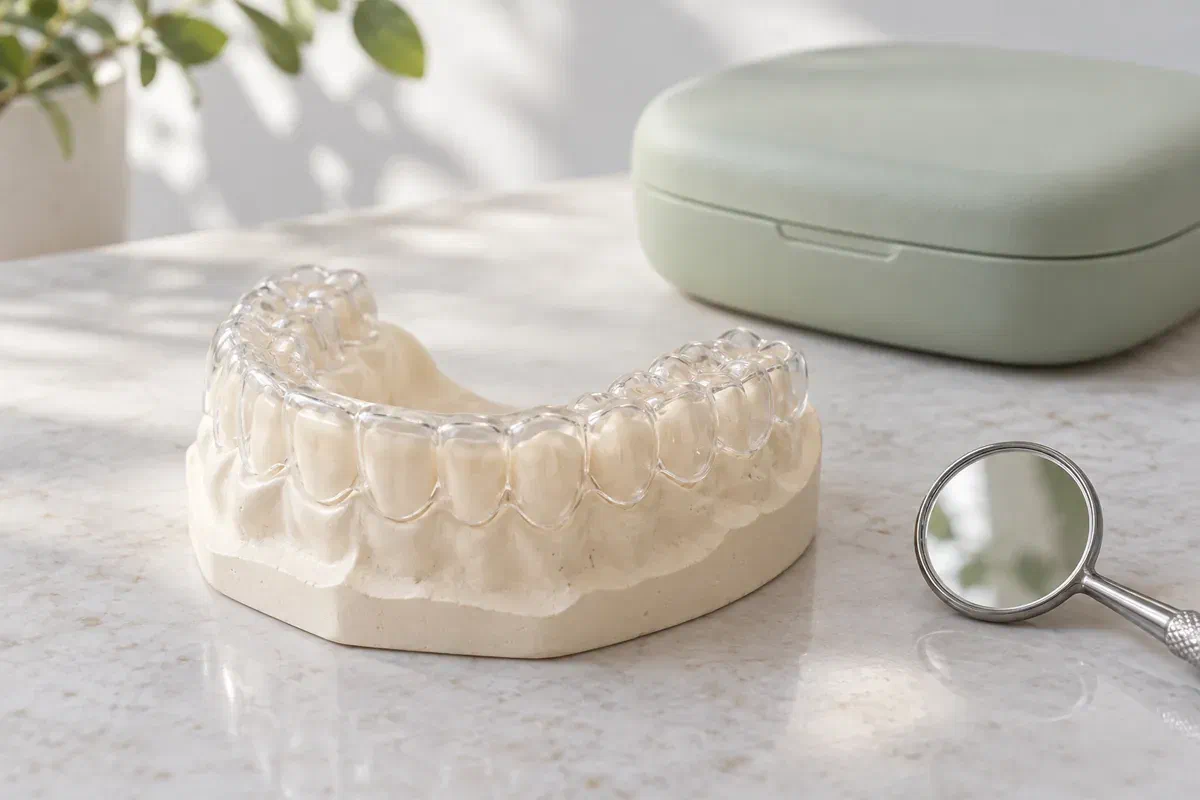
Illustrative transparent occlusal splint seated on a supported dental cast beside a mirror
Questions to resolve before fabrication

The symptom, the diagnosis, and the appliance are separate parts of the conversation.

Tell us what prompted the proposal and what you were told to expect. A clear history helps determine whether the planned device matches the actual concern.

An appliance recommended without a clear explanation

Ask which finding supports the recommendation and whether the aim is protection, symptom management, or another defined purpose. Bring any written plan. You should understand what success would look like and when the decision will be reviewed before agreeing to fabrication.

Jaw discomfort or difficulty using the mouth

Describe pain, fatigue, locking, or restricted movement and when those symptoms occur. An examination may need to consider several possible sources. A device should not become a substitute for investigating a persistent symptom or deciding whether another assessment is appropriate.

A previous splint that did not work for you

Bring the device and explain its wear schedule, comfort, and any changes you noticed. Tell us if you stopped using it and why. That experience can inform the discussion without assuming that a new appliance of a different material will necessarily solve the problem.

Evidence that intraoral appliances improve temporomandibular pain is limited. Ask about simpler approaches and make sure a proposed appliance is not intended to permanently change the bite as a routine treatment for jaw pain.

What a structured splint plan can provide

A fitting is more useful when the goal and follow-up are understood.

A custom process allows the clinician to assess the appliance in relation to your teeth, restorations, and the intended contact arrangement. Ask what is being checked at delivery and what may need professional adjustment. Your feedback about comfort is part of the assessment, not an inconvenience to be ignored.

The plan should also define how continued use will be judged. That might involve examining the appliance and teeth, reviewing a symptom history, or deciding whether another approach is needed. Having a review point helps prevent indefinite use without knowing whether the original reason still applies.

A purpose you can describe in plain language

Before proceeding, ask the clinician to summarize why the splint is being proposed and what it is not expected to establish. If the explanation is unclear, request clarification. An appliance name alone does not tell you its intended benefit or its limitations.

A wear schedule with a reason

Confirm when the appliance should be worn and whether that schedule changes after review. Ask how it fits around eating, cleaning, and other prescribed devices. Do not assume that wearing it for more hours will provide a greater benefit.

A response plan for difficulties

Ask what to do if insertion is difficult, the appliance rubs, symptoms worsen, or the teeth meet differently after removal. Knowing whom to contact makes it easier to address a problem promptly. You should not have to decide alone whether discomfort is acceptable.

From recommendation to reassessment

Examine the concern before making the device, then review both together.

The records and appointments depend on the purpose and design. Discuss the proposed visits, fees, and any referral before fabrication so the sequence is clear.

  1. Review the diagnosis and previous care

    Explain your symptoms, their timing, and any previous treatment or appliance experience. The clinician examines the relevant teeth and tissues and considers whether further investigation is needed. Ask what findings support the current recommendation and what remains uncertain.

  2. Agree on the design and collect appropriate records

    Discuss coverage, material, and the intended contact arrangement. Records of your teeth and bite are obtained as appropriate to the plan. Ask about upcoming dental work or other appliances that could affect the design before the device is made.

  3. Fit the splint and explain its use

    The appliance is assessed for seating, retention, contacts, and comfort, with professional adjustments where appropriate. Practise insertion and removal. Confirm the wear schedule and cleaning method and explain any difficulty while you are at the appointment.

  4. Review the result against the original aim

    At follow-up, describe actual use, symptoms, and any changes in fit or bite. The clinician can reassess whether continued use, adjustment, another approach, or further evaluation is appropriate. A disappointing response should lead to review of the plan rather than automatic escalation.

Living with a prescribed splint

Follow the instructions and report changes instead of adapting the device yourself.

Use the care advice supplied for your specific splint. Materials and designs differ, so a cleaning routine or wear schedule recommended for someone else may not suit yours.

Keep the device and teeth clean

Ask how to clean the appliance and which products are compatible with its material. Maintain the recommended oral hygiene routine and store the splint as instructed. Avoid heat or unapproved chemicals, and bring the device for review if deposits or damage become difficult to manage.

Use only the prescribed schedule

Do not extend wear into additional parts of the day or combine appliances without advice. If the schedule is impractical, explain the difficulty at review. The team needs to know how you actually use the device to interpret your experience and the findings.

Stop and seek advice if it causes pain

An appliance that causes pain needs review. Contact the clinician and describe the location, onset, and any change in tooth contacts. Do not grind, bend, or heat the splint at home, and do not force it onto teeth when it no longer seats properly.

Patient information: Dorset County Hospital — care precautions for removable dental guards

Comparing the proposed splint with other care

The device should serve the diagnosis and the agreed goal.

Ask which alternatives are reasonable for your concern and how each would be reviewed. More elaborate appliance design does not by itself establish a better outcome.

When the examination supports a defined purpose

A monitored custom appliance

Discuss the proposed benefit, limitations, instructions, and planned reassessment. Ask what would lead to adjustment or discontinuation. A custom fit does not remove the need to evaluate comfort, tooth contacts, and whether the original reason for use remains valid.

When simpler measures are appropriate first

Conservative management without a new splint

Depending on the diagnosis, education, practical habit changes, or other conservative care may be considered. Ask how the approach addresses your particular concern and when to review it. Choosing observation or another starting point should still come with a clear plan.

When the explanation or response is uncertain

Further assessment of persistent symptoms

A dental, medical, or orofacial-pain opinion may help clarify an unresolved problem. Ask what the referral is intended to establish. Permanent tooth or bite changes should not be assumed to follow simply because an appliance has not provided the hoped-for response.

Patient information: FDA — temporomandibular disorders and nonsurgical care options

Occlusal-splint questions

Know what is being prescribed and how it will be reviewed.

You can ask for a clear explanation before accepting a device. Bring the concerns that matter to you, including comfort, practical use, and uncertainty about previous recommendations.

(905) 876-4488
Are occlusal splints and nightguards completely different devices?
The terms overlap and are sometimes used for similar appliances. Ask about the actual design and purpose rather than relying on the name. The relevant details are why it is recommended, how it should be worn, and what follow-up will assess.
Does needing a splint prove that my bite caused my jaw pain?
No. A proposed appliance does not establish the cause of pain. Ask how the diagnosis was reached and what other explanations were considered. The relationship between symptoms and tooth contacts should not be assumed merely because a device fits over the teeth.
Should I wear a prescribed splint all day if a few hours seem helpful?
Follow the specific schedule you were given and ask before extending it. More wear is not automatically better. Tell the clinician what feels helpful and discuss whether the plan should change after review, particularly if another appliance is also prescribed.
What should I report if my teeth meet differently after removing the splint?
Describe how long the change lasts, where the contacts feel different, and whether there is pain. Contact the treating clinician for advice rather than modifying the device yourself. A persistent bite change needs assessment and should not be accepted as an intended result without explanation.
If a splint has not helped, does that mean I need my teeth reshaped?
No. The diagnosis, appliance, actual use, and response should be reviewed first. Ask about conservative alternatives or another opinion where appropriate. An unsuccessful appliance trial is not by itself a reason for irreversible changes to teeth or bite.
Can an old splint be assessed even if another practice made it?
Bring the appliance and any information about its purpose and instructions. Explain how long you used it and what changed. The clinician can review its condition and fit, but adjustment or continued use depends on the findings and whether the original design remains appropriate.
Custom occlusal splints in Milton

Make the purpose and the review plan part of the decision.

Contact our Bronte Street practice to discuss a proposed splint, an existing appliance, or uncertainty about its role in your care. We can review the concern and explain suitable assessment, fitting, or further evaluation.

Design, suitability, wear schedule, adjustment needs, referral, and fees depend on assessment. A splint cannot guarantee symptom relief or establish the cause of jaw pain.

Visit Milton Dental Clinic
Unit 1, 342 Bronte St. S, Milton, ON L9T 5B7
Get directions Clinic hours
Monday–Thursday
11am–7pm
Friday–Sunday
By appointment only

How can we help?

Milton Dental Clinic

Have a question about your smile? Choose the option that works best for you.

For urgent dental concerns, please call.
Messages are reviewed during clinic hours.