

Illustrative clinician explaining a tooth-and-gum model to a patient before a cleaning appointment
Specialized Care

Deep Dental Cleaning

When cleaning below the gumline is recommended, you should understand the findings behind it. Discuss deep dental cleaning in Milton to review the affected areas, comfort options, appointment stages, and the follow-up needed to assess gum health.

A closer look at deep dental cleaning

Understand what needs cleaning and why it matters below the gumline.

Deep dental cleaning is a common way of describing nonsurgical periodontal cleaning that reaches affected areas beneath the gumline. You may hear terms such as scaling and root planing or root-surface debridement. Ask which treatment is being recommended and what the examination shows about the areas that need care.

The purpose is to manage plaque and deposits associated with gum disease and support healthier tissues, rather than simply make visible tooth surfaces feel polished. A recommendation should relate to your gum findings, relevant images, and treatment history. It is not an automatic upgrade required because a routine cleaning appointment is overdue.

At Milton Dental Clinic, bring your questions about the diagnosis, discomfort, number of visits, and costs. Tell us about previous cleaning experiences and any areas that are sensitive. We can explain the proposed care and review plan so you understand what happens during treatment and what needs attention afterward.

Discuss a deep-cleaning recommendation
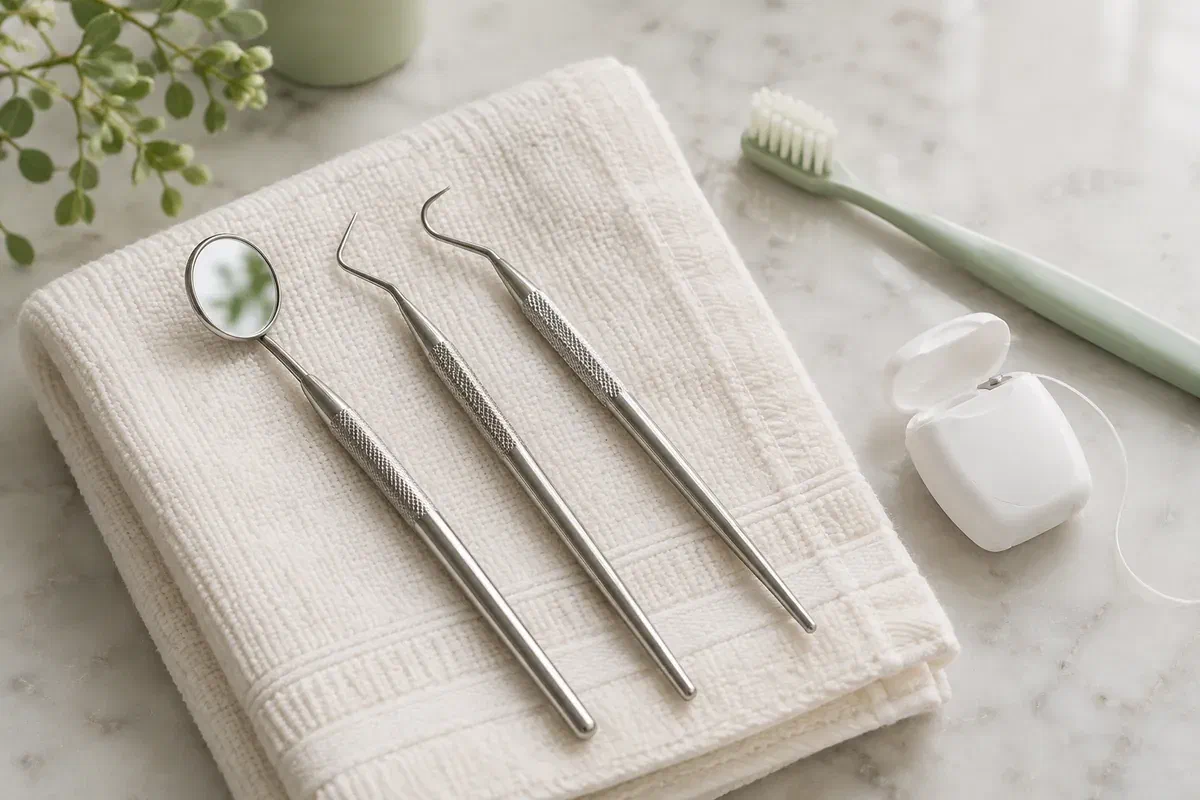
Illustrative periodontal cleaning instruments and a dental mirror beside everyday oral-care tools
Findings that may lead to periodontal cleaning

The recommendation should be connected to your gum assessment.

Ask which sites are affected and how the examination supports the proposed treatment. Symptoms can be helpful, but feeling comfortable does not answer every question about periodontal health.

Measurements that need a closer explanation

If you were told about pockets or deeper measurements, ask what they mean in your case. The clinician considers them with inflammation, supporting-tissue findings, and other records. A number without context does not tell you the complete diagnosis or the exact treatment required.

Bleeding, swelling, or cleaning difficulties

Describe recurring bleeding, tenderness, food trapping, or areas you cannot clean comfortably. Explain what happens with your current tools. These details help shape both the professional care and the daily routine needed to maintain the gums between appointments.

A history of gum disease or previous deep cleaning

Bring details of earlier treatment and follow-up if available. Ask whether the present recommendation addresses new findings, persistent areas, or maintenance needs. Treatment history helps explain the plan, but it does not mean every future visit must repeat the same procedure.

Periodontal assessment brings gum measurements, tooth findings, history, and indicated images together. Deep cleaning should follow an explained clinical need rather than the assumption that a more intensive cleaning is always better.

What the treatment plan aims to achieve

Create better conditions for the gums and a clearer way to maintain them.

Professional treatment reaches deposits and affected root surfaces that ordinary home cleaning cannot adequately manage. The intended result is assessed through the tissues' response and follow-up findings, not only the sensation of smooth teeth. Ask what improvement is realistic and which areas will need particular review.

A useful plan also makes your role manageable. You should leave knowing how to clean the spaces involved and when to return. If the routine is difficult, the team can help refine it; a list of products without practical instruction is unlikely to answer the problem that brought you in.

Patient information: American Academy of Periodontology — scaling, root planing, and continuing maintenance

Care focused on the affected areas

Ask whether the treatment covers selected teeth, sections of the mouth, or more widespread sites. Understanding the scope helps explain appointment length and staging. The plan should be individualized rather than based on a fixed package offered to every patient.

Comfort discussed before treatment begins

Explain sensitivity, anxiety, or a previous painful cleaning so the clinician can discuss appropriate measures. Ask whether local anaesthetic is recommended and how you can signal for a pause. Knowing the arrangements in advance can make the appointment feel more manageable.

A defined reassessment rather than a one-off promise

Ask when the gums will be reviewed and what would lead to further care. Some areas may respond differently from others. A follow-up allows the clinician to explain whether the next step is supportive maintenance, additional treatment, or specialist assessment.

What the appointments may involve

Assess the sites, agree on comfort, and review the response after cleaning.

The number and duration of visits depend on the extent of treatment and your needs. Ask about the full sequence, including the assessment and reassessment, before scheduling.

  1. Explain the periodontal findings and proposed scope

    Review the gum assessment, relevant images, medical history, and previous treatment. Ask which areas need cleaning beneath the gumline and why. Confirm the estimate and whether the follow-up visit is included or arranged separately.

  2. Prepare for a comfortable treatment appointment

    Discuss any sensitivity or anxiety and agree on a way to request a pause. Local anaesthetic may be recommended for the planned care. Review relevant medicines and health conditions without stopping prescribed treatment on your own.

  3. Clean the indicated surfaces and explain daily care

    The clinician uses appropriate instruments to manage deposits in the areas identified for treatment. The exact technique and staging depend on access and the findings. Ask for guidance on cleaning those sites at home and clarify any instructions before leaving.

  4. Reassess the tissues and choose the next stage

    After the planned healing interval, the clinician reviews symptoms and periodontal findings. Discuss what has improved and which areas still need attention. The results guide maintenance or further treatment rather than assuming that completion of the cleaning alone establishes long-term stability.

After periodontal cleaning

Follow the care instructions and let the team know how the gums respond.

Your instructions depend on the treatment performed and whether anaesthetic or another measure was used. Ask what discomfort is expected and what would justify contacting the clinic sooner.

Protect the numb or sensitive area

If anaesthetic was used, follow advice about eating and avoiding accidental biting or burns while the area is numb. Report sensitivity that is significant, persistent, or different from what was discussed. Do not assume every painful tooth afterward is explained by the cleaning.

Keep cleaning with the recommended technique

Use the brushing and interdental method demonstrated for your mouth. Ask for help if a space feels different or a tool no longer fits comfortably. Avoid aggressive scrubbing or abandoning an area because it feels tender; seek specific advice about how to manage it.

Attend reassessment even if bleeding improves

Tell the clinician about changes in comfort, bleeding, and cleaning access. Gums may look different as inflammation settles, so discuss any concern about visible spaces or recession. The review should assess tissue health as well as the appearance you notice at home.

Patient information: University Dental Hospital of Manchester — periodontal treatment, sensitivity, and gum changes

Choosing the right level of gum care

Routine cleaning, active treatment, and maintenance have different purposes.

Ask which stage applies to your findings and how the recommendation was reached. The name of the appointment should help you understand its role in the plan.

When the findings support preventive care

Routine preventive cleaning and advice

A routine cleaning may be appropriate when there is no identified need for more involved periodontal treatment. Ask what is being maintained and what home care is recommended. A previous gap in attendance does not by itself determine the depth or scope of cleaning.

When affected areas need care below the gumline

Nonsurgical periodontal treatment

Discuss the sites, comfort measures, stages, and reassessment. The treatment aims to manage the periodontal condition and is supported by daily care. It should not be described as automatically replacing lost bone or permanently eliminating the need for maintenance.

When the initial findings or response need another approach

Further periodontal review or specialist care

Persistent areas or more complex disease may warrant additional treatment or referral. Ask what remains unresolved and what the next assessment would clarify. Needing further care does not mean that every site requires surgery or that the original treatment had no value.

Deep-cleaning questions

Ask about the diagnosis, the visits, and the plan after treatment.

You should understand why the care is recommended and how its effect will be reviewed. Bring questions about comfort, fees, and the difference from earlier cleaning appointments.

(905) 876-4488
Is deep dental cleaning just a longer version of a routine polish?
No. It generally refers to periodontal cleaning that addresses affected areas below the gumline. Ask which procedure is proposed and what findings support it. The scope is based on gum health and access to deposits, not simply the length of the appointment.
Does missing several cleaning visits automatically mean I need deep cleaning?
No. An examination determines the current needs. Explain the gap in care and ask about the gum measurements, inflammation, and relevant records. The treatment recommendation should follow those findings rather than the calendar alone.
Can deep cleaning be needed when my gums are not painful?
Yes. Periodontal concerns can be present without significant pain. Ask the clinician to explain the findings and affected sites. The absence of discomfort is useful history, but it does not replace measurements and the rest of the assessment.
Will every part of my mouth have to be deep-cleaned at the same visit?
Not necessarily. The affected areas, treatment extent, comfort needs, and appointment plan determine the sequence. Ask whether care will be localized or divided into stages and how the reassessment is arranged. There is no single visit schedule for every patient.
Why might spaces between my teeth be more noticeable after gum treatment?
The tissues can change as inflammation settles, and previously swollen areas may become less bulky. Ask what changes are expected in your case and how to clean the spaces comfortably. New discomfort or an unexpected change should be reviewed.
If my gums stop bleeding after deep cleaning, can I skip the periodontal review?
Keep the recommended review. Less bleeding is encouraging information, but the clinician also needs to assess the tissues and response at the treated sites. The findings guide maintenance and identify any area that needs additional care.
Deep dental cleaning in Milton

Understand the gum findings and plan care beyond the cleaning appointment.

Contact our Bronte Street practice to review a deep-cleaning recommendation or concerns about your gums. We can explain the assessment, suitable treatment stages, and the follow-up that supports ongoing periodontal care.

The diagnosis, treatment scope, comfort measures, number of visits, maintenance interval, and fees depend on assessment. One course of cleaning cannot guarantee permanent gum stability.

Visit Milton Dental Clinic
Unit 1, 342 Bronte St. S, Milton, ON L9T 5B7
Get directions Clinic hours
Monday–Thursday
11am–7pm
Friday–Sunday
By appointment only

How can we help?

Milton Dental Clinic

Have a question about your smile? Choose the option that works best for you.

For urgent dental concerns, please call.
Messages are reviewed during clinic hours.