

Illustrative clinician explaining a tooth-and-gum model to a patient before a cleaning appointment
Specialized Care

Deep Dental Cleaning in Brampton

A cleaning that once hurt can make the next one hard to face, especially when it involves the gums. If you are travelling from Brampton, talk with us first about freezing, pauses and pacing, and about what your gum findings actually show.

Comfort first, for Brampton visitors

When the last cleaning was hard to sit through

Some people put off gum treatment for years because of one bad memory: a sharp scraping, a moment they could not get anyone to stop. If that sounds familiar, tell us at the start. It changes how we plan, and you are far from the only person who feels that way.

Deep cleaning generally means nonsurgical periodontal therapy, also known as scaling and root planing. The clinician works on root surfaces beneath the gum, removing deposits linked to gum disease so the tissue can heal. That is why it can need freezing in a way a routine polish usually does not.

Ask everything before a date is set. What did the exam show, and which areas are involved? Would anaesthetic be offered, and how would you signal a break? How many sessions are planned, and what is the estimate? Knowing the answers tends to take some of the dread out of the chair.

Talk about comfort before treatment
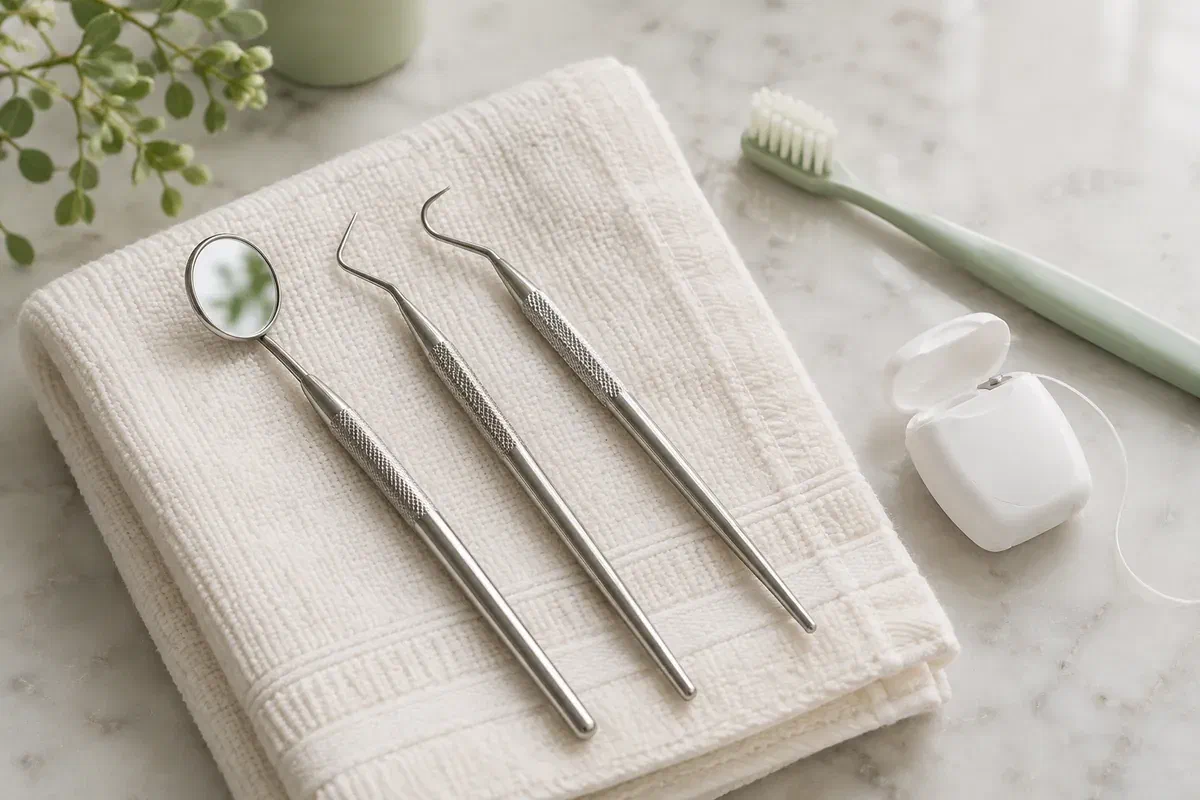
Illustrative periodontal cleaning instruments and a dental mirror beside everyday oral-care tools
Why the work may be needed

Understand the reason, and the worry often shrinks

You should be told which teeth are involved and what supports treating them. Not having pain is worth mentioning, but it does not prove the gums are free of disease.

Measurements you heard during the exam

The probe used to measure gum pockets can feel uncomfortable on inflamed tissue; let us know if it does. Each reading is weighed alongside bleeding, swelling, bone levels on images and your history. Ask what your readings add up to as a whole.

Areas that sting, bleed or swell

Point out spots that sting when you brush, bleed easily or puff up, and places that catch food. Explain what makes cleaning them unpleasant. This helps the clinician target treatment and suggest a home routine that does not feel like a battle.

Past treatment and how it went

If you have had gum treatment before, tell us what worked and what did not, including comfort. Ask whether this plan covers new sites, stubborn ones or routine maintenance. Having been treated once does not mean every visit will repeat that experience.

Gum measurements, tooth findings, your history and any indicated images are assessed together. Deeper cleaning is advised when the findings support it, not as a precaution chosen simply because more thorough sounds better.

What you get in return

Gums that can heal, at a pace you can manage

Plaque and calculus clinging to the roots keep the gums inflamed, and home care cannot dislodge them from below the gumline. Removing those deposits gives the tissue a chance to settle. Your clinician checks the response later, at a dedicated review, so ask what improvement would be realistic.

Feeling in control matters, during treatment and after it. You should know how to clean the treated areas, which tools suit them and when to come back. If brushing a tender spot makes you flinch, tell us; there is often a softer brush or gentler angle that helps.

Patient information: American Academy of Periodontology — scaling, root planing, and continuing maintenance

Only the sites that need it

Your plan could involve a few teeth or several sections. Knowing the scope explains visit length and whether work is broken up into shorter sessions, which some anxious patients prefer. It should fit your findings, not a fixed package.

A comfort plan you help shape

Discuss sensitivity, anxiety and anything that made past visits difficult. Ask whether freezing is advised, how to raise your hand for a pause and whether breaks can be built in. Agreeing this early often makes the day more manageable.

A review, not a guarantee

Ask when your follow-up is and what might lead to more care. Sites heal at different speeds. The review shows whether maintenance, further cleaning or a specialist's opinion is the sensible next step.

Knowing what comes next

No surprises in the chair

How many visits and how long each takes depends on the treatment extent and your comfort. Ask for the whole plan, from assessment to the review, before you book.

  1. Talk it through

    The clinician explains the gum findings, any images, your medical history and earlier care. Ask which areas need treatment beneath the gum and why each is included. Confirm the estimate and whether the review appointment is part of it.

  2. Agree on comfort and signals

    Describe your worries and any sensitive teeth, and settle on a clear signal for stopping. Local anaesthetic may be suggested and should be fully numb before work begins. Share your medicines, and never stop a prescription without medical advice.

  3. Treat, with pauses if needed

    Deposits are removed from the planned root surfaces with suitable instruments, with technique and staging chosen for access and findings. Breaks can be taken. Before you leave, you are shown how to clean those areas gently at home.

  4. Check how the gums responded

    After the agreed healing period, the clinician reviews symptoms and measurements. You discuss which areas improved and which still need care, and decide on maintenance or more treatment. A finished course alone does not secure long-term gum stability.

Easing through recovery

What to expect once you are home

Advice depends on what was treated and whether freezing was used. Ask which kinds of tenderness are normal and what should prompt a call before the review.

Treat the numb area kindly

Wait for feeling to return before chewing, and avoid very hot food and drinks so you do not burn or bite a lip or cheek. Contact us if sensitivity is severe, long-lasting or different from what was described. A sore tooth later may need its own check.

Clean gently, but keep going

Use the soft brushing and interdental method you were shown, even where it feels tender. If a gap seems new or a tool no longer fits, ask. Harsh scrubbing will not help, and nor will leaving a sore area alone; we can suggest a gentler approach.

Return for the review

Share how comfort, bleeding and cleaning have changed. As swelling settles, the gums may look different, so raise any worry about wider gaps or recession. The visit assesses the tissue's health, not only the appearance you notice in the mirror.

Patient information: University Dental Hospital of Manchester — periodontal treatment, sensitivity, and gum changes

Finding the right level

A routine visit, gum treatment or specialist care

Ask which one fits your findings and how the decision was made. Understanding the purpose of an appointment can make it feel far less daunting.

When findings show no need for more

Standard preventive cleaning

If periodontal treatment is not indicated, a routine cleaning and home-care tips may be all you need. Ask what is being maintained. Having avoided appointments out of nervousness does not, by itself, decide how deep the cleaning must go.

When certain sites have gum disease

Treatment below the gumline

Go over the sites, the comfort plan, how sessions are divided and when the review takes place. This care helps manage gum disease with support from your daily cleaning. It does not rebuild lost bone or end the need for maintenance.

When some sites need a different plan

Additional treatment or referral

Areas that stay inflamed or more complex disease may need further care or a periodontist. Ask which concerns remain and what the next assessment will look at. Further care does not mean every site needs surgery.

Comfort questions from Brampton

Will it hurt, and what can be done about it?

Fear is a legitimate topic, not something to hide. Ask about comfort, the findings, costs and how this treatment differs from cleanings you have had before.

(905) 876-4488
Can I ask the clinician to stop at any time?
Yes. Agree on a signal, such as raising a hand, before treatment starts. Pausing to rest, rinse or check numbness is part of good care, and you should never feel you have to push through silently.
What if the freezing does not seem to work?
Tell the clinician straight away. Inflamed tissue can sometimes need more time or additional anaesthetic. Treatment should not continue while you are clearly uncomfortable without a conversation about options.
Could my treatment be split into shorter appointments?
Often it can, depending on how many areas need care. Shorter sessions mean more visits but less time in the chair each time. Ask whether that approach suits your findings and your comfort.
Why does the gum measurement feel sore on some teeth?
Inflamed gums tend to be more tender when probed. That tenderness can itself be a sign the tissue needs attention. Let the clinician know so they can explain what they are finding and work gently.
Is it unusual to need deep cleaning when nothing aches?
Not at all. Gum disease commonly develops without much pain. Ask the clinician to show you the findings and affected areas so the recommendation makes sense, even if your mouth feels comfortable.
How tender will my gums be in the days afterward?
Some tenderness or sensitivity can happen and usually eases as the gums heal. Follow the advice you are given, and contact the clinic if pain is significant, getting worse or not what was described to you.
Brampton to Milton

Start with a conversation, not the chair

Contact our Bronte Street practice to discuss a deep-cleaning recommendation or a worry about your gums. We can explain what the exam showed, how comfort will be handled across each session and what the review afterward is for.

Diagnosis, treatment extent, comfort options, visit count, maintenance interval and fees depend on assessment. No single course of cleaning can guarantee permanent gum stability.

Visit Milton Dental Clinic
Unit 1, 342 Bronte St. S, Milton, ON L9T 5B7
Get directions Clinic hours
Monday–Thursday
11am–7pm
Friday–Sunday
By appointment only

Areas we serve

  • Milton
  • Oakville
  • Mississauga
  • Georgetown
  • Halton Hills
  • Acton
  • Campbellville
  • Brampton
  • Burlington
  • Puslinch
  • Rockwood
  • Erin
  • Caledon
  • Etobicoke
  • Old Milton
  • Bronte Meadows
  • Timberlea
  • Dorset Park
  • Dempsey
  • Clarke
  • Beaty
  • Coates
  • Harrison
  • Scott
  • Willmott
  • Ford
  • Bowes
  • Cobden
  • Walker
  • Mountain View
  • Milton Heights
  • Hawthorne Village
  • Valley View
  • Fallingbrook
  • Nassagaweya
  • Trafalgar
  • Esquesing
  • Nelson
  • Brookville
  • Moffat
  • Glen Williams
  • Norval
  • Limehouse
  • Stewarttown
  • Ashgrove
  • Hornby
  • Silver Creek
  • Speyside
  • Scotch Block
  • North Oakville
  • River Oaks
  • Glen Abbey
  • West Oak Trails
  • Palermo
  • Bronte Creek
  • College Park
  • Joshua Creek
  • Uptown Core
  • Preserve
  • Iroquois Ridge
  • Lisgar
  • Meadowvale
  • Meadowvale Village
  • Churchill Meadows
  • Erin Mills
  • Central Erin Mills
  • Streetsville
  • East Credit
  • Creditview
  • Heartland
  • Sheridan
  • Mount Pleasant
  • Credit Valley
  • Huttonville
  • Churchville
  • Springbrook
  • Northwest Brampton
  • Bram West
  • Fletcher's Meadow
  • Fletcher's Creek South
  • Alton Village
  • Orchard
  • Millcroft
  • Headon Forest
  • Tansley
  • Brant Hills
  • Tyandaga
  • Kilbride
  • Lowville
  • Aberfoyle
  • Morriston
  • Arkell
  • Hillsburgh
  • Freelton
  • Carlisle
  • Waterdown
  • Flamborough
  • Mountsberg

How can we help?

Milton Dental Clinic

Have a question about your smile? Choose the option that works best for you.

For urgent dental concerns, please call.
Messages are reviewed during clinic hours.