

Illustrative clinician explaining a tooth-and-gum model to a patient before a cleaning appointment
Specialized Care

Deep Dental Cleaning in Burlington

Pink floss every evening is easy to ignore until someone mentions treatment below the gums. From Burlington, come and find out what is behind the bleeding, whether periodontal cleaning is warranted, and how the visits and review would work.

From Burlington, starting with the floss

Bleeding at the sink, and what it can point to

It is the small thing most people notice first. Floss comes out tinged red, or the brush leaves a streak in the basin. Sometimes the cause is simple irritation. Sometimes it signals gum disease that has moved below the gumline, where a toothbrush has no chance of reaching.

In that case your clinician may propose deep cleaning, the everyday name for nonsurgical periodontal treatment. Scaling and root planing are the terms you may see on the plan. The aim is to clear plaque and calculus from root surfaces so the gum can heal, which is a different job from polishing enamel.

Before agreeing to anything, ask to see the findings that support it. How many sites bleed? What do the measurements and any X-rays show? How will comfort be handled, and how many visits are involved? Mention earlier cleanings that were painful so we can plan around that history.

Book a bleeding-gums assessment
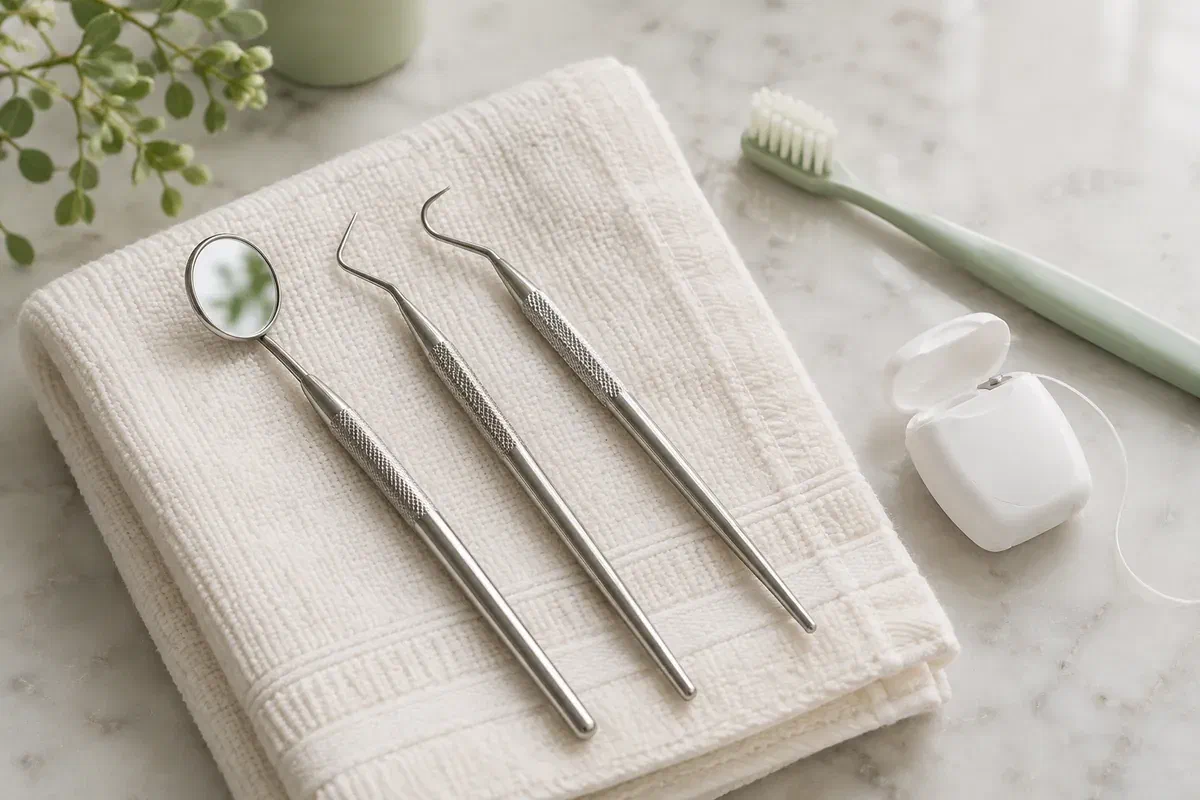
Illustrative periodontal cleaning instruments and a dental mirror beside everyday oral-care tools
Signs your clinician weighs

Bleeding is a clue. The exam fills in the rest.

A sound recommendation names the teeth involved and explains what was found. Even if your gums never bleed, an examination may still pick up areas that need attention.

Measurements beside each tooth

A gentle probe records how far the gum has separated from the tooth at several points. Those figures matter only in context: bleeding, swelling, bone support on images and your history all count. Ask what your particular readings suggest.

The bleeding pattern you see at home

Is it one corner, both sides, or everywhere? Does it happen with brushing, flossing or both? Describe tender spots and places food gets stuck. These clues help target the treatment and shape the routine you will rely on afterward.

Earlier gum treatment

Tell us if you have had scaling and root planing or a periodontist's care before. Ask whether this plan addresses new sites, areas that kept bleeding, or regular upkeep. A past course of treatment does not commit you to repeating it at every visit.

An assessment looks at gum readings, tooth findings, your health history and any images that are warranted. Treatment below the gums is recommended when those findings call for it, rather than as a general upgrade.

What treatment can do

Less inflammation, and floss that comes out clean more often

Hard deposits on root surfaces keep gum tissue irritated, and no rinse or brush can lift them away. Removing them gives inflamed gums the conditions to settle. Whether that happens is confirmed at a later review, when the clinician rechecks bleeding and measurements, so ask what progress would look like for you.

Home care then carries the result forward. You should leave knowing exactly which spaces to target and with what. Struggling with floss is common; tell us, and we can show you interdental brushes, a holder or another option that works for your hands.

Patient information: American Academy of Periodontology — scaling, root planing, and continuing maintenance

Focused on the sites that bleed

Treatment may involve a few teeth or larger sections of the mouth. Knowing which explains how long each visit runs and whether the work is staged. Your plan should reflect your exam rather than a set menu.

Comfort planned in advance

Let us know about sensitive teeth, nervousness or a cleaning that once hurt. Ask if freezing is advised and how you will signal for a break. Having those details sorted before the appointment can make the experience steadier.

A reassessment to measure change

Find out when the follow-up is and what would prompt more care. Some areas calm down quickly, others take longer. The review clarifies whether you move to maintenance, need further cleaning or would benefit from a specialist.

Step by step

From the first look to the follow-up check

How many appointments you need depends on the extent of treatment and your comfort. Ask about the complete plan, assessment and reassessment included, before you schedule.

  1. See the findings

    Your clinician explains the gum chart, any images, your medical history and earlier care. Ask which sites need cleaning beneath the gum and why each one is included. Confirm the estimate and whether the review visit is part of it.

  2. Get ready

    Talk about sensitivity and anxiety, and decide how you will ask for a pause. Local anaesthetic may be offered for the treated areas. Mention your medicines and health conditions, and do not stop anything prescribed without medical advice.

  3. Treatment and coaching

    The clinician removes deposits from the planned root surfaces using suitable instruments, adjusting technique and staging to access and findings. You are then shown how to clean those areas at home, with time to ask questions.

  4. Recheck

    After healing, bleeding, measurements and symptoms are reviewed. You go over what has improved and which sites still need help. That review decides between maintenance and further care, since one completed course does not guarantee long-term stability.

Afterward

A little extra care while the gums settle

The advice you receive depends on what was treated and whether you were frozen. Ask which sensations are expected and which ones mean you should contact us early.

Numb lips and cheeks

Wait until feeling returns before eating anything chewy, and watch out for hot drinks so you do not bite or scald a numb area. Report sensitivity that is intense, lasts or seems different from what you were told. Not every sore tooth is due to the cleaning.

Gentle, consistent cleaning

Use the brushing and interdental method you were shown, even if a little bleeding continues for a while. If a space feels new or a brush no longer fits, ask. Scrubbing harder or avoiding the area both tend to backfire; get specific advice instead.

The follow-up appointment

Tell the clinician how bleeding, comfort and cleaning have changed. Gums can tighten and sit differently as swelling fades, so mention concerns about wider spaces or recession. The review measures tissue health, not just how the gums look.

Patient information: University Dental Hospital of Manchester — periodontal treatment, sensitivity, and gum changes

Not every bleeding gum needs the same care

Three routes, depending on what the exam finds

Ask which one applies to you and what led to that conclusion. Each kind of appointment plays a specific role in managing your gums.

When bleeding is mild and readings are healthy

Routine cleaning and better technique

Sometimes a regular cleaning and some coaching on flossing are enough. Ask what is being maintained and what to change at home. The time since your last visit does not, on its own, decide whether deeper cleaning is needed.

When gum disease affects certain sites

Deep cleaning below the gums

Review the sites, comfort measures, staging and follow-up. This treatment aims to bring gum disease under control alongside your home care. It should not be described as rebuilding bone or removing the need for maintenance.

When bleeding persists after initial care

More treatment or specialist input

Areas that do not settle, or more advanced disease, may need further treatment or a periodontist. Ask which sites are still a concern and what the next exam will look for. More care does not mean every site needs surgery.

Bleeding-gum questions

Is bleeding ever normal?

Gum bleeding is common, but it should still be understood. Ask about the cause, your comfort, fees and how this differs from past cleanings.

(905) 876-4488
Should I stop flossing if my gums bleed?
Usually not. Stopping often lets plaque build up and keeps the gums inflamed. Ask your clinician to check your technique and suggest the right tool, and mention bleeding that is heavy or does not improve.
Can a harder toothbrush help clean deeper?
No. Hard bristles and heavy pressure can irritate gums without reaching deposits below the gumline. A soft brush used correctly is generally recommended. Ask for guidance on brush type and technique.
Will my gums bleed during the deep cleaning itself?
Some bleeding during treatment is common when gums are inflamed. The clinician manages it as part of the procedure. Afterward, bleeding usually lessens as tissues heal; report any that is heavy or persistent.
Does mouthwash replace cleaning between my teeth?
No. Rinses do not remove plaque or calculus stuck to tooth and root surfaces. If a rinse is recommended, it supports rather than replaces brushing and interdental cleaning. Ask whether one suits your situation.
If I feel no pain, is the bleeding still worth checking?
Yes. Gum disease often causes little discomfort. Bleeding, along with measurements and images, helps show what is happening. Ask your clinician to explain the findings even if your gums feel fine.
Once bleeding stops, can I cancel the follow-up?
It is best to keep it. Less bleeding is encouraging, but the clinician still needs to check the tissues and measurements at treated sites to plan maintenance and catch areas that need more care.
Burlington to our practice

Find out why your gums bleed, and what comes next

Reach our Bronte Street practice to talk about bleeding gums or a deep-cleaning recommendation. You will hear what the exam found, how treatment could be divided into manageable visits, and why the later review matters as much as the cleaning. If you are travelling in from Burlington, we can also talk about grouping appointments sensibly.

Diagnosis, treatment extent, comfort measures, number of appointments, maintenance interval and fees depend on assessment. One round of cleaning cannot promise lasting gum stability.

Visit Milton Dental Clinic
Unit 1, 342 Bronte St. S, Milton, ON L9T 5B7
Get directions Clinic hours
Monday–Thursday
11am–7pm
Friday–Sunday
By appointment only

Areas we serve

  • Milton
  • Oakville
  • Mississauga
  • Georgetown
  • Halton Hills
  • Acton
  • Campbellville
  • Brampton
  • Burlington
  • Puslinch
  • Rockwood
  • Erin
  • Caledon
  • Etobicoke
  • Old Milton
  • Bronte Meadows
  • Timberlea
  • Dorset Park
  • Dempsey
  • Clarke
  • Beaty
  • Coates
  • Harrison
  • Scott
  • Willmott
  • Ford
  • Bowes
  • Cobden
  • Walker
  • Mountain View
  • Milton Heights
  • Hawthorne Village
  • Valley View
  • Fallingbrook
  • Nassagaweya
  • Trafalgar
  • Esquesing
  • Nelson
  • Brookville
  • Moffat
  • Glen Williams
  • Norval
  • Limehouse
  • Stewarttown
  • Ashgrove
  • Hornby
  • Silver Creek
  • Speyside
  • Scotch Block
  • North Oakville
  • River Oaks
  • Glen Abbey
  • West Oak Trails
  • Palermo
  • Bronte Creek
  • College Park
  • Joshua Creek
  • Uptown Core
  • Preserve
  • Iroquois Ridge
  • Lisgar
  • Meadowvale
  • Meadowvale Village
  • Churchill Meadows
  • Erin Mills
  • Central Erin Mills
  • Streetsville
  • East Credit
  • Creditview
  • Heartland
  • Sheridan
  • Mount Pleasant
  • Credit Valley
  • Huttonville
  • Churchville
  • Springbrook
  • Northwest Brampton
  • Bram West
  • Fletcher's Meadow
  • Fletcher's Creek South
  • Alton Village
  • Orchard
  • Millcroft
  • Headon Forest
  • Tansley
  • Brant Hills
  • Tyandaga
  • Kilbride
  • Lowville
  • Aberfoyle
  • Morriston
  • Arkell
  • Hillsburgh
  • Freelton
  • Carlisle
  • Waterdown
  • Flamborough
  • Mountsberg

How can we help?

Milton Dental Clinic

Have a question about your smile? Choose the option that works best for you.

For urgent dental concerns, please call.
Messages are reviewed during clinic hours.