

Illustrative clinician explaining a tooth-and-gum model to a patient before a cleaning appointment
Specialized Care

Deep Dental Cleaning in Caledon

Diabetes, blood thinners, heart conditions and other health details can all shape how gum treatment is planned. Coming from Caledon, share your history with us, see the gum findings and plan cleaning below the gumline that takes your health into account.

Caledon, health history first

Your medicine cabinet is part of the plan

Gum health and general health are connected. Conditions such as diabetes are associated with gum disease, and some medicines affect bleeding, saliva or the gum tissue itself. Before treatment below the gumline, your clinician needs a clear picture of both, so that the plan is safe and makes sense for you.

The treatment usually meant by deep cleaning is nonsurgical periodontal therapy, often written as scaling and root planing. It removes plaque and hardened deposits from root surfaces under the gum to help inflamed tissue heal. That purpose sets it apart from a preventive cleaning, which works mostly on visible surfaces.

Bring an up-to-date list of medicines and conditions, and the name of your physician if coordination might be needed. Then ask about the findings, comfort, number of visits and the estimate. From Bolton or a quieter corner of the township, mention days that suit travel, too.

Plan treatment around my health
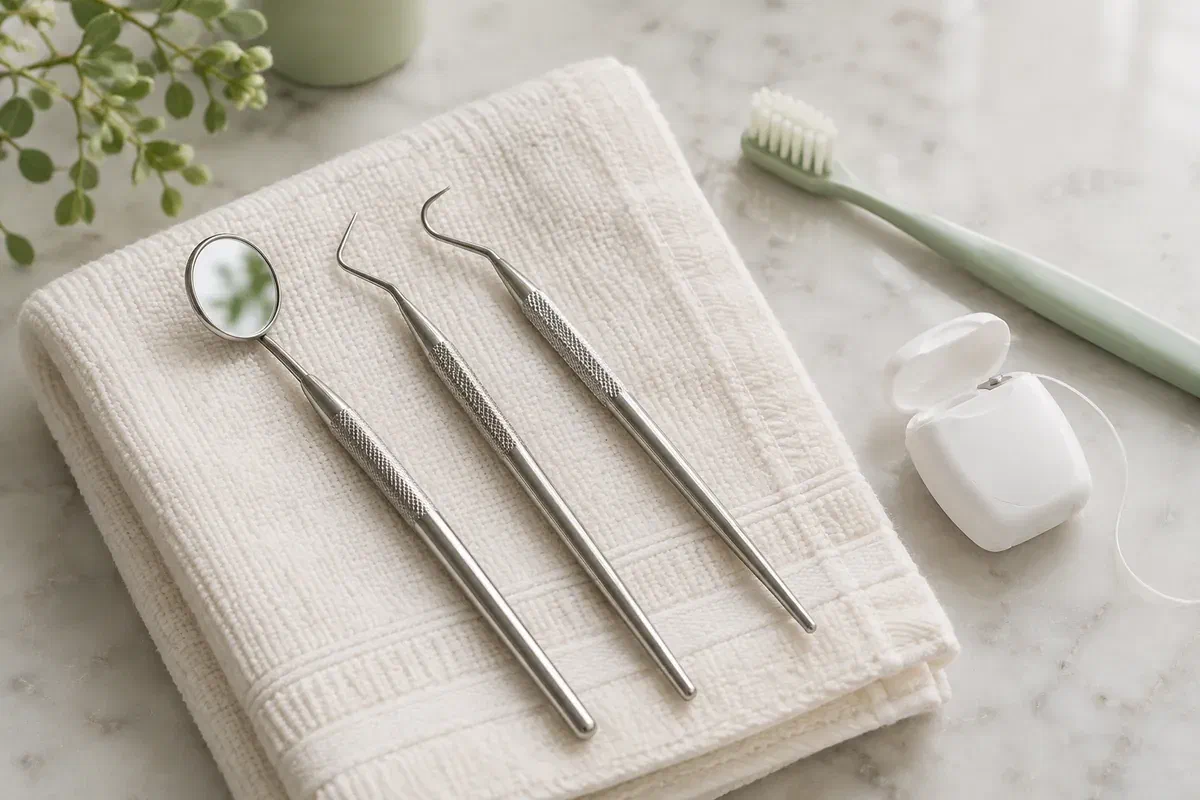
Illustrative periodontal cleaning instruments and a dental mirror beside everyday oral-care tools
Why treatment may be advised

Findings and health history, read together

The recommendation should name the sites involved and the evidence for treating them. Feeling comfortable is useful to report, yet it cannot by itself confirm that the gums are healthy.

Gum readings in context

Probe measurements show where the gum has lost attachment. They are interpreted with bleeding, inflammation, bone levels on images and your medical history, since some conditions influence how gums behave. Ask what your readings mean when everything is considered.

Bleeding, swelling or dryness

Mention bleeding, tenderness, swelling and food trapping, and also a dry mouth, which some medicines cause. Describe your cleaning tools. These details help the clinician plan treatment and suggest home care that suits your circumstances.

Earlier gum treatment

Share any previous periodontal care, with dates or records if you have them. Ask whether this plan targets new sites, persistent areas or maintenance. Past treatment gives context without meaning each future appointment repeats the same procedure.

A periodontal assessment combines gum measurements, tooth findings, health history and indicated images. Treatment below the gums should follow a clearly explained clinical need, not the assumption that a more intensive cleaning is automatically wiser.

What treatment is meant to do

Calmer gums, planned with your health in view

Deposits on root surfaces below the gum keep tissue inflamed, and home care cannot remove them. Professional cleaning does, so the gums can begin to recover. How well they respond is judged at a later review with fresh measurements, so ask what improvement is realistic given your findings and health.

Home care carries the result forward. You should leave knowing which areas need extra attention and which tools fit them. If arthritis, a tremor or another condition makes cleaning harder, tell us; adapted brushes, holders or a different technique can make a real difference.

Patient information: American Academy of Periodontology — scaling, root planing, and continuing maintenance

Treatment for the sites that need it

Your plan may involve a few teeth or broader areas. The scope explains appointment length and staging, and may be influenced by how long you can comfortably sit. It should reflect your findings, not a fixed package.

Comfort and medical safety

Discuss sensitivity, anxiety and any past painful cleaning. Ask whether local anaesthetic is advised, and make sure the clinician knows about your medicines and conditions so the choice is appropriate for you.

A review rather than a promise

Ask when you will be reassessed and what could lead to further care. Healing can vary between sites and may be influenced by health factors. The review shows whether maintenance, more cleaning or a specialist is the next step.

How the care is sequenced

History, preparation, treatment, review

The number and length of visits depend on the treatment needed, your comfort and any medical considerations. Ask about the full sequence, including the review, before scheduling.

  1. Health and gum review

    Expect a conversation that covers your conditions and prescriptions as carefully as your gum chart and any X-rays. Find out which teeth are on the treatment list and what put them there. Get the estimate in writing, reassessment noted.

  2. Coordinate where needed

    Share every medicine and condition. Never stop or adjust a prescription yourself; if your physician should be consulted, we can discuss how. Local anaesthetic may be suggested, and you can agree on a signal for a pause.

  3. Clean the identified areas

    Suitable instruments remove deposits from the planned root surfaces, with technique and staging chosen for access, findings and your health. A short home-care lesson for the treated teeth closes the visit.

  4. Assess the response

    After the healing interval, symptoms and measurements are rechecked. You discuss what improved and which areas need more care, which guides maintenance or further treatment. Completing a course does not on its own ensure long-term stability.

Recovery, with your health in mind

Watch how the gums settle, and tell us what you notice

Aftercare depends on the treatment and whether freezing was used. Ask what is expected, and which symptoms mean you should call, keeping in mind any medicines that affect bleeding or healing.

Care while numb

Wait until feeling returns before eating, and avoid hot food and drinks that could burn a numb lip. Report sensitivity that is severe, persistent or unexpected. Not every sore tooth afterward is explained by the cleaning, and it may need its own look.

Gentle, regular cleaning

Stay with the routine demonstrated at your appointment, twice a day. Should a gap start to feel wider, or an interdental brush suddenly seem loose, mention it. Heavy pressure irritates healing tissue and skipping sore teeth lets plaque return, so we can suggest a gentler method that suits your hands.

Return for reassessment

Describe changes in comfort, bleeding and cleaning ease, and any change in your health or medicines since treatment. Gums may look different as inflammation settles, so mention concerns about gaps or recession. The review assesses tissue health directly.

Patient information: University Dental Hospital of Manchester — periodontal treatment, sensitivity, and gum changes

Choosing the level of care

Which gum appointment fits your findings?

Ask which option applies to you and how that conclusion was reached. Your health history may influence timing and approach, but each appointment's purpose should be clear.

When periodontal treatment is not indicated

Routine preventive cleaning

A regular cleaning and advice may suit you if your gums show no need for more. Ask what is being maintained and what to focus on. A gap in visits does not, alone, determine that deeper cleaning is needed.

When certain sites need care below the gum

Nonsurgical periodontal therapy

Discuss the areas, comfort, staging and review, along with any medical considerations. The treatment aims to manage gum disease with your daily care. It does not rebuild lost bone or end the need for maintenance.

When some areas need another approach

Further care or a periodontist

Persistent sites, more complex disease or certain medical situations may call for extra treatment or referral. Ask what is still unresolved and what the next exam should show. More care does not mean surgery everywhere.

Health questions from Caledon

How does my health affect gum treatment?

Medical details help the clinician plan safely. Raise those first, then anything about comfort, the estimate or why this plan is unlike previous hygiene visits.

(905) 876-4488
Does diabetes affect gum disease or healing?
Diabetes is associated with gum disease, and blood sugar control can influence how the gums respond to plaque and to treatment. Tell your clinician about your diagnosis, how it is managed and any recent changes. They can explain how it may affect your plan, your healing and the spacing of maintenance visits.
What if I take a blood thinner?
Tell the clinician well before treatment, and do not stop, skip or change the medicine on your own. They can discuss whether your physician should be consulted, how bleeding will be managed during the appointment and what to watch for at home afterward, so the plan stays safe for your heart or circulation.
Do I need antibiotics before a deep cleaning?
Most people do not, but certain heart or joint conditions may need specific advice. Share your full medical history so the clinician can determine whether any precaution applies and coordinate with your physician if needed.
Can medicines that cause a dry mouth affect my gums?
A dry mouth can make plaque harder to control, because saliva normally helps rinse and protect the teeth and gums. Mention any medicines that leave your mouth dry. Your clinician can suggest ways to manage the dryness and adjust your home routine, without you changing a prescription yourself.
Is pregnancy a reason to delay gum treatment?
Not necessarily, but let the clinician know if you are pregnant or planning to be, since hormonal changes can also affect the gums. They can discuss timing, comfort and any precautions with you and, where appropriate, with your prenatal care provider, so the plan suits both your gums and your pregnancy.
Could gum disease be present even if I have no symptoms?
Yes. Gum disease often causes little pain, and its early signs are easy to miss when you are busy managing other health matters. Measurements, images and examination reveal what is happening beneath the gum. Ask your clinician to walk you through the findings site by site.
Caledon to our practice

Gum care that accounts for the whole of you

Contact our Bronte Street practice to discuss a deep-cleaning recommendation, your health history or concerns about your gums. You will hear what the findings show, how treatment might be staged safely and the follow-up afterward.

Diagnosis, treatment extent, comfort measures, medical coordination, number of visits, maintenance timing and fees depend on assessment. One course of cleaning cannot guarantee permanent gum stability.

Visit Milton Dental Clinic
Unit 1, 342 Bronte St. S, Milton, ON L9T 5B7
Get directions Clinic hours
Monday–Thursday
11am–7pm
Friday–Sunday
By appointment only

Areas we serve

  • Milton
  • Oakville
  • Mississauga
  • Georgetown
  • Halton Hills
  • Acton
  • Campbellville
  • Brampton
  • Burlington
  • Puslinch
  • Rockwood
  • Erin
  • Caledon
  • Etobicoke
  • Old Milton
  • Bronte Meadows
  • Timberlea
  • Dorset Park
  • Dempsey
  • Clarke
  • Beaty
  • Coates
  • Harrison
  • Scott
  • Willmott
  • Ford
  • Bowes
  • Cobden
  • Walker
  • Mountain View
  • Milton Heights
  • Hawthorne Village
  • Valley View
  • Fallingbrook
  • Nassagaweya
  • Trafalgar
  • Esquesing
  • Nelson
  • Brookville
  • Moffat
  • Glen Williams
  • Norval
  • Limehouse
  • Stewarttown
  • Ashgrove
  • Hornby
  • Silver Creek
  • Speyside
  • Scotch Block
  • North Oakville
  • River Oaks
  • Glen Abbey
  • West Oak Trails
  • Palermo
  • Bronte Creek
  • College Park
  • Joshua Creek
  • Uptown Core
  • Preserve
  • Iroquois Ridge
  • Lisgar
  • Meadowvale
  • Meadowvale Village
  • Churchill Meadows
  • Erin Mills
  • Central Erin Mills
  • Streetsville
  • East Credit
  • Creditview
  • Heartland
  • Sheridan
  • Mount Pleasant
  • Credit Valley
  • Huttonville
  • Churchville
  • Springbrook
  • Northwest Brampton
  • Bram West
  • Fletcher's Meadow
  • Fletcher's Creek South
  • Alton Village
  • Orchard
  • Millcroft
  • Headon Forest
  • Tansley
  • Brant Hills
  • Tyandaga
  • Kilbride
  • Lowville
  • Aberfoyle
  • Morriston
  • Arkell
  • Hillsburgh
  • Freelton
  • Carlisle
  • Waterdown
  • Flamborough
  • Mountsberg

How can we help?

Milton Dental Clinic

Have a question about your smile? Choose the option that works best for you.

For urgent dental concerns, please call.
Messages are reviewed during clinic hours.