

Illustrative clinician explaining a tooth-and-gum model to a patient before a cleaning appointment
Specialized Care

Deep Dental Cleaning in Campbellville

Coming back after years away from the dentist often brings one worry above the rest: what if my gums are in trouble? From Campbellville, start with a frank, judgment-free exam, and learn whether treatment below the gumline is truly needed.

Returning to care in Campbellville

It has been a while. That is all right.

Farm seasons, shift work, a move, a stretch of poor health: there are plenty of reasons people drift away from regular checkups. When they return, many assume the verdict is already decided and a deep cleaning is unavoidable. It is not. What your gums need is decided by examining them now.

If the exam does show gum disease, the treatment usually suggested is nonsurgical periodontal therapy, known informally as deep cleaning and formally as scaling and root planing. It clears plaque and hardened deposits from root surfaces under the gum. A routine cleaning cannot do that job, and it has a different aim.

Tell us honestly how long it has been and what has been bothering you. Then ask about the findings, what comfort options exist, how many appointments may be involved and what the estimate is. Rural households often like to group visits, so mention scheduling constraints early.

Book a fresh-start gum exam
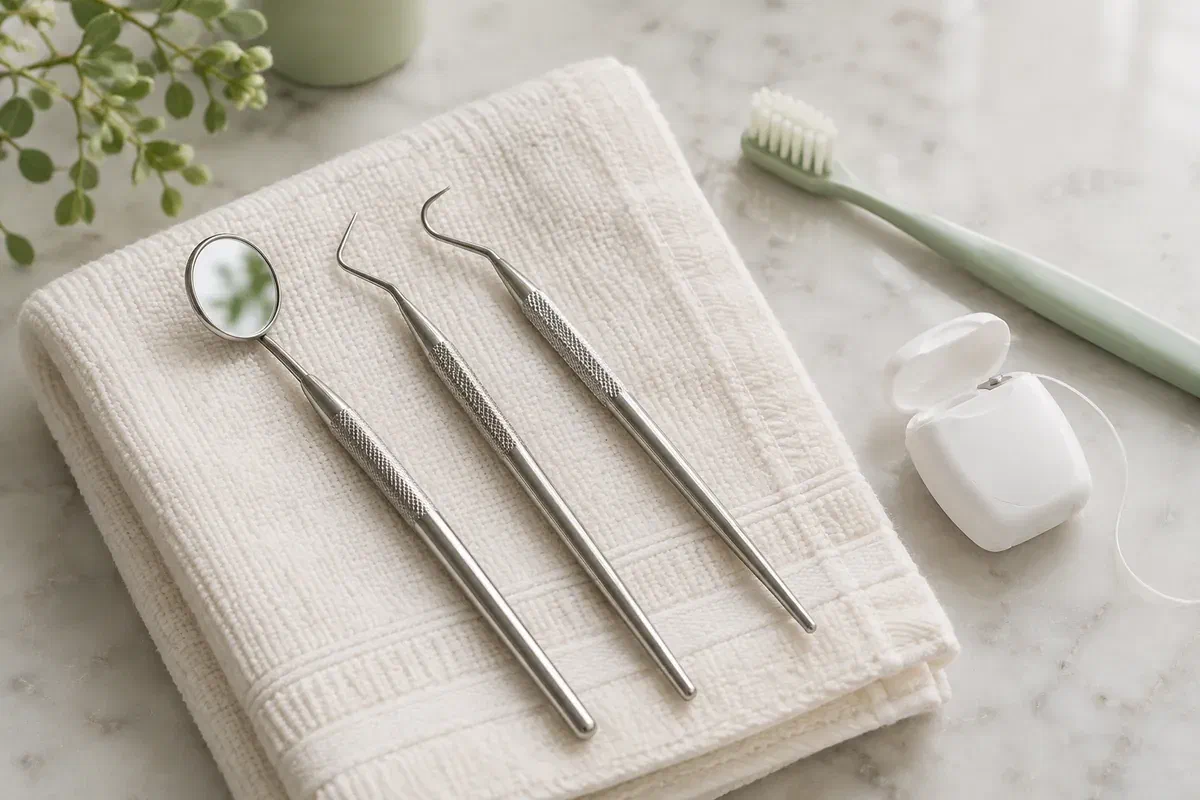
Illustrative periodontal cleaning instruments and a dental mirror beside everyday oral-care tools
What decides the recommendation

Today's gums, not the years in between

Any proposal should name specific teeth and explain the evidence for treating them. A comfortable mouth is reassuring, but on its own it does not prove the gums are healthy.

Measurements from a full gum chart

After a long gap, a complete set of readings is usually taken around every tooth. Your clinician interprets them with bleeding, swelling, bone support on images and your history. Ask what the overall pattern shows, not only the highest number.

Whatever has been bothering you

Bleeding when you brush, gums that feel puffy, a bad taste, a sore corner or food that catches: mention all of it. Describe how you clean now. Those details help focus treatment and set up a home routine you can keep.

Any treatment from long ago

If you remember previous gum care, even roughly, say so. Ask whether today's plan reflects new problems, older ones that persisted or simple upkeep. Past treatment adds context without dictating what each future visit must involve.

A periodontal assessment brings together gum readings, tooth findings, your history and any images that are indicated. Time away from the dentist is part of the story, yet deeper cleaning should follow an explained clinical need, not the calendar.

Getting back on track

A clean starting point and a routine to build on

If gum disease is present, deposits on the roots keep the tissue inflamed, and no toothbrush can reach them. Removing those deposits lets the gums begin to recover. Your clinician checks how the tissue responded at a later review, so ask what a realistic improvement would be for your sites.

A first visit back is also a chance to reset habits. You should leave knowing which areas need the most attention and how to clean them with tools that suit you. If a routine sounds too complicated to keep up on a busy day, tell us; simpler is often better.

Patient information: American Academy of Periodontology — scaling, root planing, and continuing maintenance

Treatment scaled to the findings

After a gap, some people need only a routine cleaning, others treatment on a few teeth and some care across larger areas. The extent explains visit length and staging. It should match your exam rather than an assumption.

Comfort discussed openly

Mention sensitivity, nerves about returning or a cleaning that hurt years ago. Ask whether local anaesthetic is advised and how to signal for a pause. Settling this early tends to make a first visit back less daunting.

A review, then a maintenance plan

Ask when your gums will be reassessed and what might lead to more care. Healing is not always uniform. The review guides whether you move into regular maintenance, need further cleaning or would benefit from a specialist.

Your first few visits back

Assess thoroughly, treat if needed, then check in

The number of visits depends on what the exam finds and on your comfort and schedule. Ask to see the full sequence, review included, before booking so you can plan around work and home.

  1. A thorough first look

    Expect a full gum chart, any images that are warranted, a medical history review and questions about previous care. Ask which sites, if any, need treatment beneath the gum and why. Confirm the estimate and what the review involves.

  2. Comfort and health planning

    Share worries, sensitive teeth and every medicine you take. Local anaesthetic may be suggested for treated areas. Never stop a prescribed medication on your own; if coordination with your doctor is needed, we can discuss how.

  3. Treatment, possibly in stages

    Where needed, deposits are removed from the identified roots with appropriate instruments. Staging depends on access, findings and how much you can comfortably manage in one sitting. You are shown how to clean those areas at home.

  4. The follow-up assessment

    After healing, the clinician reviews symptoms and repeats key measurements. Together you look at what improved and what still needs care. Those results set your maintenance interval or point to more treatment; finishing one course does not secure lasting stability.

In the days that follow

Small habits while the tissue settles

Instructions depend on the treatment and whether you were frozen. Ask what discomfort is expected, and what would be reason enough to phone before the review rather than wait.

Until the numbness fades

Hold off on eating until feeling returns, and be cautious with hot coffee or soup so you do not burn a lip or bite a cheek. Mention sensitivity that is sharp, lingering or unexpected. A sore tooth afterward may need its own assessment.

A routine you can stick to

Use the brushing and interdental method you were taught. If a space feels different or a tool does not fit, call and ask. Scrubbing hard can irritate healing gums, and avoiding sore spots lets plaque return; ask how to clean them gently.

Keep the review appointment

Tell the clinician how comfort, bleeding and cleaning have changed. Gums may look different as swelling fades, so bring up any concern about spaces or recession. The visit measures tissue health, which is more than appearance alone.

Patient information: University Dental Hospital of Manchester — periodontal treatment, sensitivity, and gum changes

Which care fits now

Not everyone returning needs the same thing

Ask which option your findings support and how that decision was made. The purpose of each appointment should be explained before you agree to it.

When the gums are healthy despite the gap

A routine cleaning to restart

Some people return after years and need only a standard cleaning and some advice. Ask what you are maintaining and how often to come back. The length of your absence does not, on its own, set the depth of cleaning.

When gum disease affects certain sites

Nonsurgical gum treatment

Discuss the areas involved, comfort, staging and review. The goal is to bring gum disease under control alongside your daily care. It does not rebuild lost bone, and it does not remove the need for ongoing maintenance visits.

When disease is more advanced in places

Further care or a referral

Persistent sites or more complex problems may need additional treatment or a periodontist's opinion. Ask which areas remain uncertain and what the next exam should reveal. More care does not mean every tooth needs surgery.

Questions from Campbellville

What people ask on their first visit back

Returning takes some nerve, and questions are welcome. Ask about the exam, what the findings mean, comfort, fees and how the next visits would be arranged.

(905) 876-4488
Will I be judged for staying away so long?
No. Gaps in care happen for all kinds of reasons. The team’s job is to understand where your gums are now and help you plan from there. Being open about the gap simply helps the clinician interpret the findings.
Does a long absence mean I will definitely need a deep cleaning?
Not automatically. Some people return with healthy gums; others need treatment. Your current measurements, inflammation and any images decide it. Ask the clinician to explain exactly what they found before agreeing to a plan.
Can the exam and cleaning happen on one trip into town?
Sometimes a routine cleaning can follow the exam the same day. If gum treatment is needed, it may require separate, planned appointments. Ask what is possible so you can organise the drive and your day around it.
What if I have a tooth that has been bothering me too?
Mention it when you book and again at the visit. The clinician can assess it along with your gums. If a tooth is causing significant pain or swelling, call before your appointment so its urgency can be discussed.
Is a bad taste or bad breath linked to gum problems?
It can be, though there are other causes too. Tell the clinician about any persistent bad taste or breath. They can check for gum disease and other dental sources and explain what the findings suggest.
How soon after treatment can I return to a normal checkup schedule?
That depends on how your gums respond at the review. Some people need closer maintenance visits for a while before moving to a longer interval. Ask what is recommended and what would change it.
Campbellville, welcome back

An honest look, and a plan from here

Contact our Bronte Street practice to book a gum exam after time away or to discuss a deep-cleaning recommendation. You will hear what we find, how any treatment could be staged and how the review afterward shapes your ongoing care.

Whether treatment is needed, how far it extends, comfort measures, number of visits, maintenance timing and fees all follow from assessment. No course of cleaning can promise permanently stable gums.

Visit Milton Dental Clinic
Unit 1, 342 Bronte St. S, Milton, ON L9T 5B7
Get directions Clinic hours
Monday–Thursday
11am–7pm
Friday–Sunday
By appointment only

Areas we serve

  • Milton
  • Oakville
  • Mississauga
  • Georgetown
  • Halton Hills
  • Acton
  • Campbellville
  • Brampton
  • Burlington
  • Puslinch
  • Rockwood
  • Erin
  • Caledon
  • Etobicoke
  • Old Milton
  • Bronte Meadows
  • Timberlea
  • Dorset Park
  • Dempsey
  • Clarke
  • Beaty
  • Coates
  • Harrison
  • Scott
  • Willmott
  • Ford
  • Bowes
  • Cobden
  • Walker
  • Mountain View
  • Milton Heights
  • Hawthorne Village
  • Valley View
  • Fallingbrook
  • Nassagaweya
  • Trafalgar
  • Esquesing
  • Nelson
  • Brookville
  • Moffat
  • Glen Williams
  • Norval
  • Limehouse
  • Stewarttown
  • Ashgrove
  • Hornby
  • Silver Creek
  • Speyside
  • Scotch Block
  • North Oakville
  • River Oaks
  • Glen Abbey
  • West Oak Trails
  • Palermo
  • Bronte Creek
  • College Park
  • Joshua Creek
  • Uptown Core
  • Preserve
  • Iroquois Ridge
  • Lisgar
  • Meadowvale
  • Meadowvale Village
  • Churchill Meadows
  • Erin Mills
  • Central Erin Mills
  • Streetsville
  • East Credit
  • Creditview
  • Heartland
  • Sheridan
  • Mount Pleasant
  • Credit Valley
  • Huttonville
  • Churchville
  • Springbrook
  • Northwest Brampton
  • Bram West
  • Fletcher's Meadow
  • Fletcher's Creek South
  • Alton Village
  • Orchard
  • Millcroft
  • Headon Forest
  • Tansley
  • Brant Hills
  • Tyandaga
  • Kilbride
  • Lowville
  • Aberfoyle
  • Morriston
  • Arkell
  • Hillsburgh
  • Freelton
  • Carlisle
  • Waterdown
  • Flamborough
  • Mountsberg

How can we help?

Milton Dental Clinic

Have a question about your smile? Choose the option that works best for you.

For urgent dental concerns, please call.
Messages are reviewed during clinic hours.