

Illustrative clinician explaining a tooth-and-gum model to a patient before a cleaning appointment
Specialized Care

Deep Dental Cleaning in Etobicoke

Gum treatment usually means more than one trip, so planning matters when you are coming from Etobicoke. We can explain the findings, group sessions where it is clinically sensible, and help you judge when a nearer urgent option makes more sense.

Planning the trips from Etobicoke

Fewer, better-organised visits

A course of gum treatment involves an assessment, one or more treatment sessions and a later review. With a longer trip each way, it is reasonable to ask how those pieces can be arranged with as little back-and-forth as is clinically sound. We are glad to have that conversation early.

The treatment itself, often called deep cleaning, is nonsurgical periodontal therapy: scaling and root planing of root surfaces below the gum. It removes plaque and hardened deposits that keep gum disease active. A recommendation should come from what the exam shows, not from a habit of upgrading every cleaning.

Come with your questions about the findings, comfort, costs and timing. Tell us about previous cleanings, sensitive teeth and any days that are hard to travel. We can then suggest a sequence that keeps the clinical steps intact and respects the time the journey takes.

Plan my gum treatment schedule
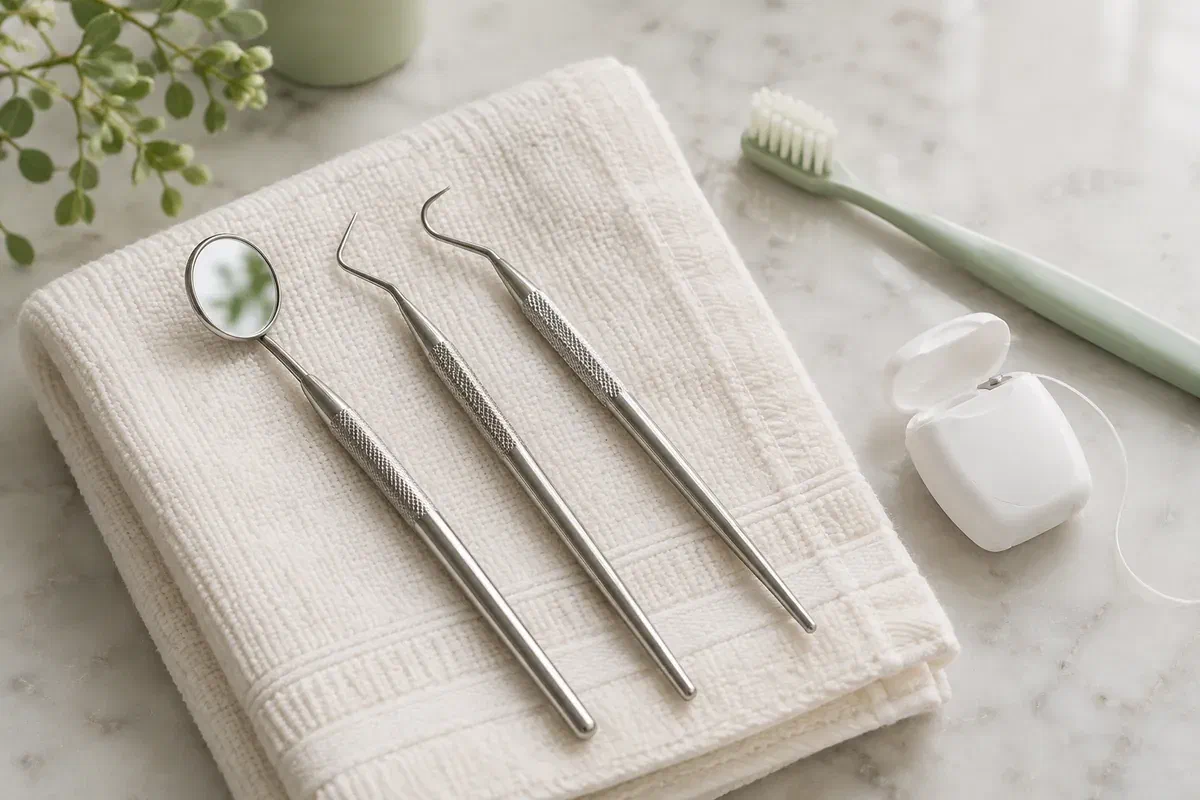
Illustrative periodontal cleaning instruments and a dental mirror beside everyday oral-care tools
Reasons worth the drive

Is treatment below the gum actually needed?

The answer should point to specific teeth and the findings behind them. Feeling comfortable is helpful information, but it does not confirm the gums are healthy.

Pocket readings and bone support

Measurements around each tooth show where the gum attachment has changed. Your clinician considers them with bleeding, inflammation, images and history before advising treatment. Ask how your figures fit together and what they mean for the plan.

Bleeding and cleaning trouble spots

Describe where gums bleed, feel sore or catch food, and which tools you currently use. Specific details help the clinician focus treatment and design a routine that keeps you well between the visits you travel for.

Records from a previous dentist

If you have had gum treatment closer to home, bring any charts, X-rays or dates you can. Ask whether this plan addresses new sites, ones that did not settle, or upkeep. Earlier care informs the plan rather than dictating each future appointment.

A periodontal assessment weighs gum measurements, tooth findings, health history and any needed images together. Treatment beneath the gums should answer an explained clinical need, not an assumption that the more intensive option is automatically better.

What the effort buys

Treatment that lets the gums recover, and a plan you can follow from home

Once calculus is fixed to a root below the gumline, no amount of brushing will shift it. Professional cleaning removes it so inflamed tissue can begin to heal. The result is judged at a review appointment, through measurements and a look at the tissue, so ask what change is realistic for your sites.

Because you will spend most of the healing period far from the clinic, your home routine carries more weight. You should leave confident about which areas to target and how. Ask for a demonstration in your own mouth, and write down anything you might forget on the way home.

Patient information: American Academy of Periodontology — scaling, root planing, and continuing maintenance

Scope that shapes the schedule

Treating a few teeth is different from treating several sections. Knowing the extent explains how many sessions are needed and whether some can be combined. The plan should rest on your findings, not a one-size package.

Comfort arranged ahead

Mention sensitive teeth, anxiety or a cleaning that once hurt. Ask whether local anaesthetic is recommended and how to request a pause. Agreeing this before the day means less to sort out once you arrive.

One clear review date

Ask when the reassessment is and what might lead to further care. Some sites respond more slowly. Knowing the date early helps you plan the trip and lets the clinician decide on maintenance, more cleaning or a specialist.

The visits, mapped out

Assessment, treatment and review, arranged around the journey

The number and length of appointments depend on how much treatment is needed and your comfort. Ask for the full sequence, review included, so you can plan travel before booking.

  1. An unhurried assessment

    Your clinician goes over the gum findings, relevant images, medical history and prior care. Ask which sites need cleaning below the gum and why. Confirm the estimate and whether the reassessment is included or booked separately.

  2. Arrange comfort and health details

    Raise any sensitivity or anxiety and agree on a pause signal. Local anaesthetic may be suggested. Bring a current medication list, and keep taking prescribed treatment unless your physician advises a change.

  3. Treatment sessions, grouped sensibly

    Deposits are cleared from the identified root surfaces with appropriate instruments. Technique and staging follow access and findings, and sessions can sometimes be combined. You leave with clear instructions for cleaning those areas at home.

  4. The review visit

    After the healing interval, the clinician checks symptoms and gum readings. You go over which sites improved and which did not. The findings guide maintenance or further care, since completing treatment does not on its own ensure long-term stability.

On the way home and after

Healing well when the clinic is a trip away

What you are told to do will depend on the treatment and on whether you had freezing. Find out what discomfort is typical, and which symptoms would mean calling us or seeking care nearer home.

The ride home while numb

If you were frozen, hold off eating until feeling returns, and take care with hot drinks so a numb lip or cheek is not burned or bitten. Report sensitivity that is strong, lasting or unexpected. Not every later toothache comes from the cleaning.

Keep the routine going

Practise the routine you learned in the chair every morning and night. Should a gap feel unfamiliar or a brush stop fitting, phone us for advice rather than waiting for the review. Avoid scrubbing hard, and do not give up on a tender area; ask how to manage it.

Keep the reassessment

Even if things look better, return as planned. Tell the clinician about changes in bleeding, comfort and cleaning access. Gums can shift as inflammation fades, so raise any concern about gaps or recession. The visit checks tissue health, not just appearance.

Patient information: University Dental Hospital of Manchester — periodontal treatment, sensitivity, and gum changes

What kind of care fits

Routine cleaning, active treatment and long-term maintenance

Ask which applies to your findings and how the decision was made. Knowing each appointment's purpose helps you decide which trips matter most.

When periodontal treatment is not indicated

A preventive hygiene appointment

A regular cleaning with practical advice may be enough. Ask what is being maintained and what to focus on at home. A long stretch between visits does not, on its own, decide whether deeper cleaning is needed.

When some sites need treatment under the gum

Scaling and root planing

Discuss the affected areas, comfort, staging and review. This treatment helps control gum disease alongside your daily care. It should not be presented as replacing lost bone or ending the need for ongoing maintenance.

When initial treatment is not the whole answer

Specialist assessment or more care

Persistent sites or more advanced disease may call for further treatment or a periodontist, possibly one nearer to you. Ask which areas remain a concern. Additional care does not mean every site needs surgery.

Planning questions

Questions about timing, travel and treatment

A longer trip makes planning worthwhile. Ask why treatment is advised, how visits are arranged and how results are checked, along with comfort and fees.

(905) 876-4488
Can my assessment and first treatment happen on the same day?
Sometimes, if the findings are clear, time allows and you are comfortable going ahead. Often a separate visit is needed after the plan is explained. Ask whether combining them is possible in your situation.
How long should I plan to be at the clinic for a session?
It depends on how many areas are being treated and whether anaesthetic is used. Ask for an estimate when you book so you can plan travel, and allow some time afterward before eating.
What if something goes wrong between visits from Etobicoke?
Call us first to describe what is happening. For severe swelling, fever, or swelling affecting breathing or swallowing, seek urgent care near you or emergency services rather than making the trip.
Do I need a deep cleaning just because I have not seen a dentist in years?
No. The decision rests on your current gum findings. Be open about the gap, then ask about the measurements, inflammation and any images the clinician reviewed.
Can maintenance visits be done by a dentist closer to home?
That can be discussed. If you plan to continue care elsewhere, ask for your findings and treatment details so the next clinician has a clear record of what was done.
Why might the gum review be scheduled several weeks later?
The tissues need time to heal before measurements are meaningful. Reviewing too early may not show the true response. Ask about the interval recommended for your treatment.
Coming from Etobicoke

Make each visit count

Contact our Bronte Street practice to discuss a deep-cleaning recommendation or concerns about your gums. We will explain the assessment, how sessions might be grouped for a longer trip, and the review that follows treatment.

Diagnosis, treatment extent, comfort measures, number of visits, maintenance timing and fees depend on assessment. One course of cleaning cannot guarantee lasting gum stability.

Visit Milton Dental Clinic
Unit 1, 342 Bronte St. S, Milton, ON L9T 5B7
Get directions Clinic hours
Monday–Thursday
11am–7pm
Friday–Sunday
By appointment only

Areas we serve

  • Milton
  • Oakville
  • Mississauga
  • Georgetown
  • Halton Hills
  • Acton
  • Campbellville
  • Brampton
  • Burlington
  • Puslinch
  • Rockwood
  • Erin
  • Caledon
  • Etobicoke
  • Old Milton
  • Bronte Meadows
  • Timberlea
  • Dorset Park
  • Dempsey
  • Clarke
  • Beaty
  • Coates
  • Harrison
  • Scott
  • Willmott
  • Ford
  • Bowes
  • Cobden
  • Walker
  • Mountain View
  • Milton Heights
  • Hawthorne Village
  • Valley View
  • Fallingbrook
  • Nassagaweya
  • Trafalgar
  • Esquesing
  • Nelson
  • Brookville
  • Moffat
  • Glen Williams
  • Norval
  • Limehouse
  • Stewarttown
  • Ashgrove
  • Hornby
  • Silver Creek
  • Speyside
  • Scotch Block
  • North Oakville
  • River Oaks
  • Glen Abbey
  • West Oak Trails
  • Palermo
  • Bronte Creek
  • College Park
  • Joshua Creek
  • Uptown Core
  • Preserve
  • Iroquois Ridge
  • Lisgar
  • Meadowvale
  • Meadowvale Village
  • Churchill Meadows
  • Erin Mills
  • Central Erin Mills
  • Streetsville
  • East Credit
  • Creditview
  • Heartland
  • Sheridan
  • Mount Pleasant
  • Credit Valley
  • Huttonville
  • Churchville
  • Springbrook
  • Northwest Brampton
  • Bram West
  • Fletcher's Meadow
  • Fletcher's Creek South
  • Alton Village
  • Orchard
  • Millcroft
  • Headon Forest
  • Tansley
  • Brant Hills
  • Tyandaga
  • Kilbride
  • Lowville
  • Aberfoyle
  • Morriston
  • Arkell
  • Hillsburgh
  • Freelton
  • Carlisle
  • Waterdown
  • Flamborough
  • Mountsberg

How can we help?

Milton Dental Clinic

Have a question about your smile? Choose the option that works best for you.

For urgent dental concerns, please call.
Messages are reviewed during clinic hours.