

Illustrative clinician explaining a tooth-and-gum model to a patient before a cleaning appointment
Specialized Care

Deep Dental Cleaning in Georgetown

Most questions about gum treatment are really about the weeks after it: how the gums will look, feel and need cleaning. From Georgetown, find out what periodontal cleaning is meant to change, how it is staged and how we judge the healing.

Thinking ahead, from Georgetown

Picture the healing, then plan the treatment

People tend to ask about the appointment itself. The more useful questions often concern afterward. Will my gums look different? Will cold drinks bother me? How will I clean the areas that were treated? Knowing those answers in advance makes it far easier to decide whether to go ahead.

Deep cleaning is the familiar label for nonsurgical periodontal treatment, which may appear on your plan as scaling and root planing or root-surface debridement. It removes plaque and calculus from roots under the gum so inflamed tissue can settle. Its value is measured by how the gums heal, not by a glossy surface.

Begin with the findings. Which sites are affected, and what do the measurements and any X-rays show? Then ask about comfort, the number of sessions, the estimate and the review. If earlier cleanings left you sore or certain teeth already react to cold, tell us so the plan accounts for it.

Talk through treatment and healing
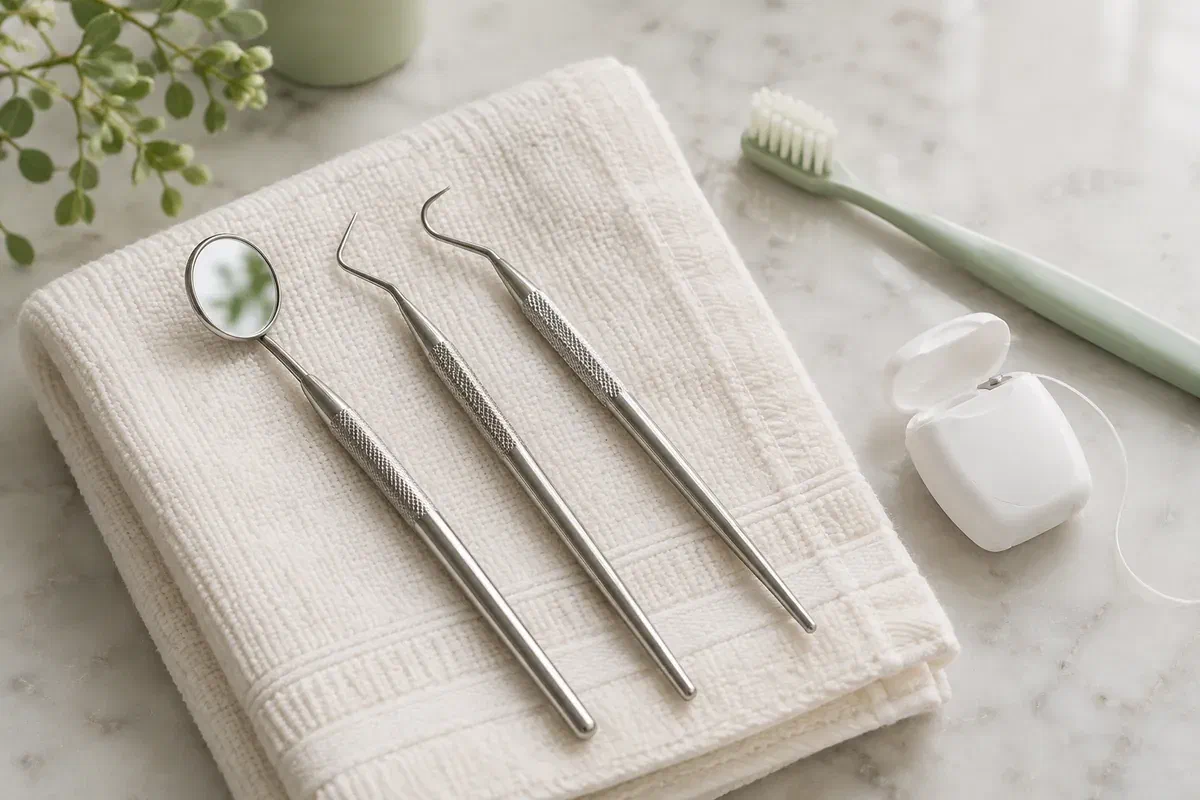
Illustrative periodontal cleaning instruments and a dental mirror beside everyday oral-care tools
How the need is established

Gum findings that point toward treatment

Expect to hear which teeth are involved and what supports including each one. Comfortable gums are good news, though they cannot by themselves show that disease is absent.

Deeper readings at certain teeth

Measurements show where the gum no longer hugs the tooth closely. On their own they are only part of the story; the clinician adds bleeding, swelling, bone support on images and your history. Ask how these pieces lead to the recommendation.

Puffiness, bleeding and awkward spots

Describe gums that bleed, look swollen or feel tender, and areas where food tends to collect. Mention the brush and interdental aids you use. Those details shape treatment and the cleaning plan you will follow during healing.

Gum care you have had before

Previous periodontal treatment is relevant, so bring dates or notes if you can. Ask whether today's plan is for new sites, areas that stayed inflamed or ongoing maintenance. Earlier care is context, not a rule that every visit repeats the same thing.

Gum measurements, tooth findings, health history and any needed images are weighed together during a periodontal assessment. Treatment below the gumline is advised when those findings justify it, not because a more intensive cleaning sounds safer.

The change you are working toward

Firmer, calmer gums, and spaces you know how to clean

Deposits on the roots keep gum tissue inflamed, and they sit where brushing cannot reach. Removing them lets swelling go down and the tissue tighten. As it does, the gums may sit a little differently around the teeth. The review appointment shows how well the sites responded, so ask what is realistic.

That tightening is one reason a good home routine matters. Gaps that were filled by swollen tissue may become easier to see and to clean. You should leave with a method that works for those spaces and a clear return date. If a tool feels awkward, ask for another option.

Patient information: American Academy of Periodontology — scaling, root planing, and continuing maintenance

Treatment where your findings point

It might involve a handful of teeth or wider sections. The extent explains how long sessions run and whether they are staged. It should follow your examination, not a package that treats every mouth alike.

Comfort planned in detail

Tell us about sensitivity, anxiety or a past cleaning that hurt. Ask whether local anaesthetic is advised and how to signal a pause. Agreeing on this ahead of time makes the appointment, and the hours afterward, more predictable.

Healing that is followed up

Ask when you will be reviewed and what could lead to more treatment. Different sites heal at different rates. The follow-up decides whether maintenance, additional cleaning or a specialist's opinion is the right next step.

What happens, in order

Assessment, preparation, treatment, review

The number and length of appointments depend on the extent of treatment and your comfort. Ask for the complete sequence, including how healing will be checked, before you book.

  1. Understand the starting point

    The clinician reviews your gum measurements, relevant images, medical history and earlier care. Ask which sites need treatment beneath the gum and why. Confirm the estimate and whether the review appointment is included.

  2. Get comfortable and informed

    Discuss sensitivity and nerves, and agree on how to ask for a break. Local anaesthetic may be suggested for the areas being treated. Share your medicines and conditions, and do not stop anything prescribed without medical advice.

  3. Clean beneath the gum

    Appropriate instruments remove deposits from the identified roots, with technique and staging guided by access and findings. Afterward, you are shown how to care for those sites while they heal, including any spaces that may change.

  4. Measure the healing

    After the agreed interval, symptoms and gum readings are checked. You talk about what improved and which areas still need attention. This guides maintenance or further care, because completing treatment does not alone ensure long-term stability.

The healing weeks

What you might notice, and what to do about it

Advice depends on the treatment and whether freezing was used. Ask what discomfort and changes are expected, and what would be a reason to contact the clinic early.

Numbness and early tenderness

Wait for feeling to return before eating, and avoid hot drinks that could burn a numb lip. Mild tenderness or cold sensitivity can occur; report anything severe, lasting or unlike what you were told. A sore tooth later is not always from the cleaning.

Spaces that look or feel different

As swelling settles, gaps between teeth may become more noticeable. Clean them with the brush or interdental tool you were shown. If a tool no longer fits or a space feels uncomfortable, ask for advice rather than scrubbing harder or leaving it alone.

The reassessment visit

Tell the clinician about comfort, bleeding and how cleaning has gone. Mention any concern about recession or wider spaces. The review measures tissue health directly, which matters more than how the gums look in the bathroom mirror.

Patient information: University Dental Hospital of Manchester — periodontal treatment, sensitivity, and gum changes

Choosing the level of care

Three kinds of gum appointment, each for a different stage

Ask which stage your findings suggest and how the decision was reached. The purpose of each visit should be clear before it begins.

When the gums look healthy on assessment

Routine cleaning

If periodontal treatment is not needed, a regular cleaning plus advice may suit you. Ask what you are protecting and what to change at home. A lapse in visits does not, alone, decide that a deeper cleaning is required.

When certain sites need care below the gumline

Periodontal treatment beneath the gums

Discuss the areas, comfort measures, staging and review. This care helps control gum disease, with your daily cleaning playing a part. It does not replace lost bone or end the need for maintenance appointments.

When healing is incomplete at some sites

Further review or a periodontist

Persistent inflammation or more complex disease may call for added treatment or referral. Ask which areas still worry the clinician and what the next exam will assess. More care does not mean every site needs surgery.

After-treatment questions

Will my gums look different?

Healing changes are easier to accept when you know about them in advance. Ask about appearance, sensitivity, comfort, costs and how this compares with earlier cleanings.

(905) 876-4488
Will my teeth be sensitive to cold after the cleaning?
Some people notice temporary sensitivity as the gums settle and root surfaces are more exposed. Your clinician may suggest a sensitivity toothpaste or other steps. Report sensitivity that is severe, worsening or lasts longer than expected so it can be checked.
Could my gums look like they have shrunk once they heal?
As inflammation goes down, swollen tissue often tightens, and the gumline may appear slightly higher on some teeth. Ask what to expect in your situation and how to clean any newly visible spaces. Mention any change that worries you at the review.
Is it normal for teeth to feel slightly different afterward?
Teeth can feel smoother at the root, and the gums may feel firmer or tender for a short time. If a tooth feels loose, painful or your bite changes noticeably, contact the clinic so it can be assessed rather than assumed to be normal.
Can I go back to my usual toothpaste and brush?
Often yes, but your clinician may recommend a soft brush, a specific interdental tool or a sensitivity toothpaste for a while. Ask what suits the treated areas, and bring your current tools to the review if you are unsure.
Do sore gums mean the treatment did not work?
Not necessarily. Some tenderness is common as the tissue heals. Pain that is significant, increasing or accompanied by swelling or feeling unwell should be reported. The review is where the treatment’s effect is properly judged.
If my gums bleed less, do I still need the review visit?
Yes, it is worth keeping. Less bleeding is a positive sign, but the clinician also needs to check measurements and tissue at the treated sites. Those findings decide your maintenance interval and identify any area needing more care.
Georgetown and Milton

Know what healing looks like before you start

Get in touch with our Bronte Street practice to discuss a deep-cleaning recommendation or changes in your gums. We can explain the findings, how treatment could be staged and what to expect in the weeks of healing that follow.

Diagnosis, treatment extent, comfort measures, number of visits, maintenance timing and fees depend on assessment. A single course of cleaning cannot guarantee permanent gum stability.

Visit Milton Dental Clinic
Unit 1, 342 Bronte St. S, Milton, ON L9T 5B7
Get directions Clinic hours
Monday–Thursday
11am–7pm
Friday–Sunday
By appointment only

Areas we serve

  • Milton
  • Oakville
  • Mississauga
  • Georgetown
  • Halton Hills
  • Acton
  • Campbellville
  • Brampton
  • Burlington
  • Puslinch
  • Rockwood
  • Erin
  • Caledon
  • Etobicoke
  • Old Milton
  • Bronte Meadows
  • Timberlea
  • Dorset Park
  • Dempsey
  • Clarke
  • Beaty
  • Coates
  • Harrison
  • Scott
  • Willmott
  • Ford
  • Bowes
  • Cobden
  • Walker
  • Mountain View
  • Milton Heights
  • Hawthorne Village
  • Valley View
  • Fallingbrook
  • Nassagaweya
  • Trafalgar
  • Esquesing
  • Nelson
  • Brookville
  • Moffat
  • Glen Williams
  • Norval
  • Limehouse
  • Stewarttown
  • Ashgrove
  • Hornby
  • Silver Creek
  • Speyside
  • Scotch Block
  • North Oakville
  • River Oaks
  • Glen Abbey
  • West Oak Trails
  • Palermo
  • Bronte Creek
  • College Park
  • Joshua Creek
  • Uptown Core
  • Preserve
  • Iroquois Ridge
  • Lisgar
  • Meadowvale
  • Meadowvale Village
  • Churchill Meadows
  • Erin Mills
  • Central Erin Mills
  • Streetsville
  • East Credit
  • Creditview
  • Heartland
  • Sheridan
  • Mount Pleasant
  • Credit Valley
  • Huttonville
  • Churchville
  • Springbrook
  • Northwest Brampton
  • Bram West
  • Fletcher's Meadow
  • Fletcher's Creek South
  • Alton Village
  • Orchard
  • Millcroft
  • Headon Forest
  • Tansley
  • Brant Hills
  • Tyandaga
  • Kilbride
  • Lowville
  • Aberfoyle
  • Morriston
  • Arkell
  • Hillsburgh
  • Freelton
  • Carlisle
  • Waterdown
  • Flamborough
  • Mountsberg

How can we help?

Milton Dental Clinic

Have a question about your smile? Choose the option that works best for you.

For urgent dental concerns, please call.
Messages are reviewed during clinic hours.