

Illustrative clinician explaining a tooth-and-gum model to a patient before a cleaning appointment
Specialized Care

Deep Dental Cleaning in Halton Hills

Two adults in one household can sit in the same chair a week apart and leave with very different gum plans. For homes across Halton Hills, we explain why one person may need treatment below the gumline, how it is staged, and how healing is reviewed.

Halton Hills households

Same toothpaste, same habits, different gums

It surprises people when they book back-to-back cleanings with a spouse or adult child and only one of them is told about gum disease. Yet gum health is personal. Genetics, general health, medicines, smoking, tooth position and dental work all shape how the tissues respond to plaque.

For the person who needs it, deep cleaning usually means nonsurgical periodontal therapy, sometimes written as scaling and root planing. It targets deposits on root surfaces below the gum, where disease takes hold, to give the tissue a chance to recover. That is a different purpose from a regular hygiene visit.

From Georgetown, Acton, Glen Williams or a nearby hamlet, it often helps to plan household appointments together. Each person's findings should still be explained on their own terms. Ask about the measurements, comfort, number of visits and estimate, and tell us about any past cleaning that was unpleasant.

Ask about my own gum findings
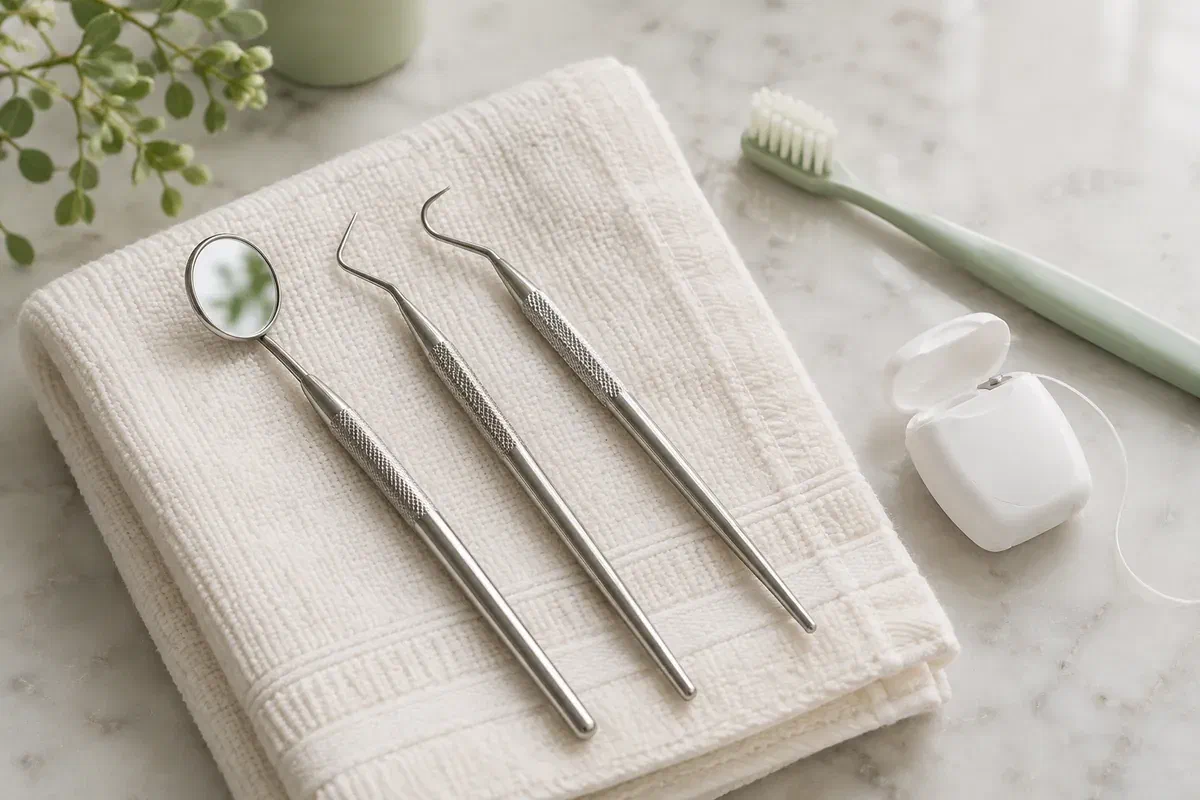
Illustrative periodontal cleaning instruments and a dental mirror beside everyday oral-care tools
What sets your plan apart

Your findings, not the family average

A recommendation should name the sites involved in your mouth and the evidence for treating them. Feeling fine is worth mentioning, but it cannot rule out gum disease on its own.

Readings measured tooth by tooth

Probe measurements show where the gum has pulled away from the tooth. They are interpreted together with bleeding, inflammation, bone levels on any images and your personal history. Ask how the numbers combine into a diagnosis, rather than comparing them with someone else's chart.

Signs only you notice

Bleeding when you floss, a tender patch, swelling or food that sticks in one spot are worth describing. Tell us which brush and interdental tools you use. Those details guide treatment and help build a home routine that suits your mouth specifically.

Your own treatment history

Share any gum care you have had, with dates or records if available. Ask whether the current plan addresses new areas, persistent ones or maintenance. A history of treatment helps the clinician plan without committing you to the same procedure forever.

A periodontal assessment brings gum measurements, tooth findings, health history and any warranted images together for each person. Treatment beneath the gums should follow a clearly explained need, not the idea that a more intensive cleaning is always wiser.

The purpose behind it

Healthier tissue around the teeth that need it most

Calculus bonded to roots under the gum keeps the tissue inflamed, and brushing cannot reach it. Removing it allows the gum to settle and, ideally, fit more closely around the tooth again. Progress is measured at a review appointment, so ask which kind of change is realistic for the sites involved.

Daily care keeps the gains. You should know exactly which areas need extra attention and which tools reach them. A shared bathroom drawer full of products does not mean everyone needs the same ones; ask for a demonstration and advice for your own mouth.

Patient information: American Academy of Periodontology — scaling, root planing, and continuing maintenance

Care targeted to the affected sites

Your plan may cover a few teeth or larger areas. That scope explains appointment length and whether visits are split. It should be designed around your findings, not a standard bundle offered to everyone in the household.

Comfort planned before the day

Raise sensitive teeth, nervousness or a past cleaning that hurt. Ask whether local anaesthetic is advised and how to signal a pause. Settling this beforehand tends to make the appointment calmer for you, and easier to plan around.

Healing that is checked

Ask when the reassessment will take place and what could lead to more treatment. Some areas improve faster than others. The follow-up indicates whether maintenance, further cleaning or a periodontist's opinion should come next.

How it is organised

A course of treatment, start to finish

Appointment number and length depend on how much needs treating and on your preferences. Ask about the full sequence, including the review, before booking, especially if you are coordinating with other people's schedules.

  1. Review your findings

    The clinician explains your gum chart, any relevant X-rays, medical history and previous care. Ask which sites need treatment below the gum and the reasoning for each. Confirm the estimate and whether the follow-up is included.

  2. Plan comfort and medical details

    Mention sensitivity, anxiety and every medicine you take. Local anaesthetic may be suggested for the treated areas. Do not stop prescribed treatment on your own; if anything needs coordinating with your physician, we can discuss it.

  3. Treat the planned areas

    Suitable instruments remove deposits from the identified root surfaces, with the method and number of sessions guided by access and findings. Before leaving, you are shown how to clean those sites and can ask questions.

  4. Reassess after healing

    Following the agreed interval, symptoms and measurements are checked again. You discuss what has improved and which areas still need care. That decides maintenance or further treatment, as a completed course does not on its own secure long-term stability.

Recovery at home

A few days of extra attention

Aftercare depends on what was treated and whether freezing was used. Ask which kinds of tenderness are expected and which changes would justify calling before your review.

While sensation returns

Avoid chewing until the freezing has worn off, and take care with hot drinks so you do not burn or bite a lip or cheek. Let us know about sensitivity that is intense, long-lasting or not what was described. A sore tooth later may need separate attention.

Your technique, every day

Use the brushing and interdental cleaning shown to you, not a routine borrowed from someone else at home. If a space feels new or a tool stops fitting, ask. Avoid hard scrubbing and do not skip a tender spot; request advice on cleaning it gently.

Return for your review

Describe changes in comfort, bleeding and cleaning access. As inflammation settles, gums can look different, so mention any worry about gaps or recession. The review assesses tissue health directly, beyond the appearance you see at home.

Patient information: University Dental Hospital of Manchester — periodontal treatment, sensitivity, and gum changes

Different needs under one roof

Why one person gets a routine cleaning and another gets treatment

Ask which category fits your findings and how it was decided. Each appointment type has its own role, and members of the same household may need different ones.

When the gums show no sign of disease

Routine hygiene and advice

A regular cleaning and practical tips may be all that is needed. Ask what you are keeping healthy and which habits to focus on. Missing an appointment or two does not, by itself, mean the cleaning has to go deeper.

When specific sites are affected

Nonsurgical periodontal therapy

Go over which areas, comfort measures, staging and the reassessment. The treatment aims to control gum disease with support from daily care. It should not be described as regrowing bone or removing the need for future maintenance.

When some sites need another approach

Further care or referral

Sites that do not settle, or more advanced disease, may warrant extra treatment or a periodontist. Ask which concerns remain and what the next exam will tell you. Needing more care does not mean surgery for every area.

Questions from Halton Hills

Why me and not my partner?

It is natural to compare. Ask what makes your situation different, how treatment will be staged and how it will be checked, as well as about comfort and fees.

(905) 876-4488
Can gum disease run in families?
Genetics can influence how a person’s gums respond to plaque, and shared habits can play a part too. Family history is worth mentioning at your exam. It does not decide your treatment on its own; your own findings do.
Can my partner and I book our gum appointments back to back?
Often, yes. Coordinating visits can make planning easier for households. Each person’s treatment length and number of sessions may differ, though, so ask the team to schedule around both plans rather than assuming they match.
Does smoking affect how my gums respond to deep cleaning?
Smoking is linked with gum disease and can affect how tissues heal. Tell your clinician honestly about tobacco or vaping. They can explain how it may affect your plan and point you toward support if you want to cut back.
Is deep cleaning just a longer hygiene visit for people with more tartar?
No. It treats affected root surfaces beneath the gum, guided by your measurements and findings. The amount of visible tartar is only part of the picture. Ask which procedure is planned and why.
Can I need treatment below the gums even if they never hurt?
Yes. Gum disease often causes little or no pain, even when it is active. The measurements, images and examination show what is happening. Ask the clinician to walk you through the findings.
Should I tell you about diabetes or other health conditions?
Please do. Conditions such as diabetes are linked with gum health, and some medicines affect the mouth or treatment planning. Bring a current list of medications and conditions to your appointment.
Halton Hills to our practice

Plan your own gum care, even if the household books together

Contact our Bronte Street practice to talk through a deep-cleaning recommendation or anything you have noticed about your gums. We will explain your findings, how your treatment could be staged and what the follow-up is designed to check.

Diagnosis, treatment scope, comfort measures, number of visits, maintenance timing and fees depend on each person's assessment. One course of cleaning cannot guarantee permanent gum stability.

Visit Milton Dental Clinic
Unit 1, 342 Bronte St. S, Milton, ON L9T 5B7
Get directions Clinic hours
Monday–Thursday
11am–7pm
Friday–Sunday
By appointment only

Areas we serve

  • Milton
  • Oakville
  • Mississauga
  • Georgetown
  • Halton Hills
  • Acton
  • Campbellville
  • Brampton
  • Burlington
  • Puslinch
  • Rockwood
  • Erin
  • Caledon
  • Etobicoke
  • Old Milton
  • Bronte Meadows
  • Timberlea
  • Dorset Park
  • Dempsey
  • Clarke
  • Beaty
  • Coates
  • Harrison
  • Scott
  • Willmott
  • Ford
  • Bowes
  • Cobden
  • Walker
  • Mountain View
  • Milton Heights
  • Hawthorne Village
  • Valley View
  • Fallingbrook
  • Nassagaweya
  • Trafalgar
  • Esquesing
  • Nelson
  • Brookville
  • Moffat
  • Glen Williams
  • Norval
  • Limehouse
  • Stewarttown
  • Ashgrove
  • Hornby
  • Silver Creek
  • Speyside
  • Scotch Block
  • North Oakville
  • River Oaks
  • Glen Abbey
  • West Oak Trails
  • Palermo
  • Bronte Creek
  • College Park
  • Joshua Creek
  • Uptown Core
  • Preserve
  • Iroquois Ridge
  • Lisgar
  • Meadowvale
  • Meadowvale Village
  • Churchill Meadows
  • Erin Mills
  • Central Erin Mills
  • Streetsville
  • East Credit
  • Creditview
  • Heartland
  • Sheridan
  • Mount Pleasant
  • Credit Valley
  • Huttonville
  • Churchville
  • Springbrook
  • Northwest Brampton
  • Bram West
  • Fletcher's Meadow
  • Fletcher's Creek South
  • Alton Village
  • Orchard
  • Millcroft
  • Headon Forest
  • Tansley
  • Brant Hills
  • Tyandaga
  • Kilbride
  • Lowville
  • Aberfoyle
  • Morriston
  • Arkell
  • Hillsburgh
  • Freelton
  • Carlisle
  • Waterdown
  • Flamborough
  • Mountsberg

How can we help?

Milton Dental Clinic

Have a question about your smile? Choose the option that works best for you.

For urgent dental concerns, please call.
Messages are reviewed during clinic hours.