

Illustrative clinician explaining a tooth-and-gum model to a patient before a cleaning appointment
Specialized Care

Deep Dental Cleaning in Milton

Hearing the word deep at a checkup can make a cleaning sound bigger than you expected. Talk it through with our Milton team: which gum sites are involved, how comfort is handled, how the visits are staged, and how healing is checked afterward.

Deep cleaning, explained in Milton

What does deep actually mean here?

The phrase refers to how far the cleaning reaches, not how hard anyone scrubs. Deep cleaning usually means nonsurgical periodontal treatment for areas under the gum margin, sometimes called scaling and root planing or root-surface debridement. A fair first question is simply which name applies to your plan and why.

Ordinary cleanings work on the tooth surfaces you can see and just beneath them. Periodontal cleaning goes after plaque and hardened deposits linked to gum disease on root surfaces the brush cannot touch. It should be tied to your measurements, X-rays where needed, and past care, never offered as a premium tier.

Close to home in Milton, you can raise every worry before anything is booked: what the findings show, whether it will be uncomfortable, how many appointments it takes and what the fees look like. Mention any cleaning that hurt in the past or teeth that react to cold, so the plan reflects you.

Ask about a deep-cleaning plan
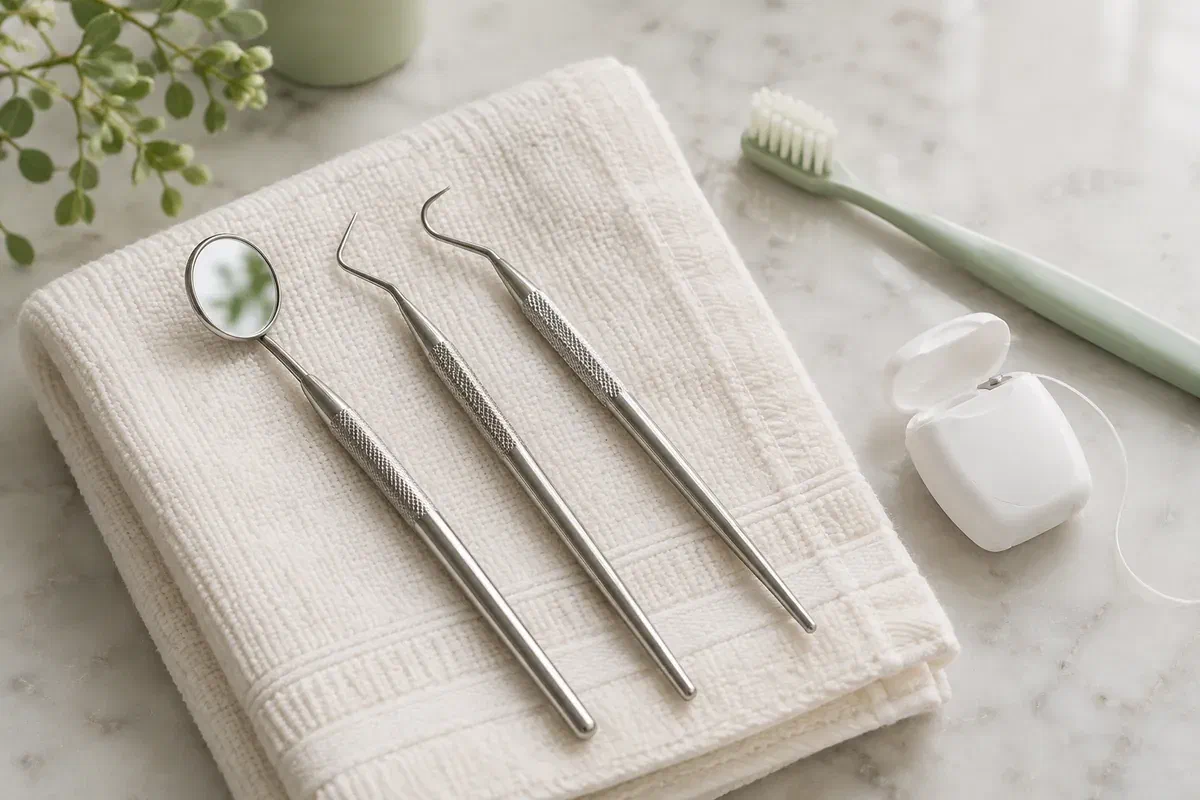
Illustrative periodontal cleaning instruments and a dental mirror beside everyday oral-care tools
Why a clinician might suggest it

Findings first, recommendation second.

A good explanation names the sites involved and the evidence behind treating them. How your mouth feels is part of the picture, though comfortable gums can still have areas that need care.

Pocket readings you were told about

Numbers called out during a gum exam describe how far a probe slips beside each tooth. On their own they say little. Your clinician reads them alongside bleeding, inflammation, bone support on images and your history, then explains what they add up to for you.

Gums that bleed, puff up or trap food

Tell the team where bleeding keeps returning, which spots feel tender and where food lodges. Describe the brush, floss or picks you use now and what goes wrong. Those details shape the cleaning itself and the home routine that keeps results going.

Earlier periodontal treatment

If you have had deep cleaning before, bring whatever records or dates you can. Ask whether this plan targets new sites, areas that never settled, or ongoing upkeep. Past treatment informs the plan without meaning every future visit repeats the same procedure.

A periodontal assessment combines gum readings, tooth findings, your history and any images that are indicated. Deeper cleaning should answer a clear clinical reason, not the idea that more intensive is automatically better.

The point of the treatment

Healthier tissue, and a routine you can keep up

Removing deposits from root surfaces lets inflamed gum tissue begin to settle in ways brushing alone cannot achieve once disease has taken hold. Success is judged later by how the gums respond at reassessment, not by how smooth your teeth feel that evening. Ask what a realistic improvement looks like for the sites involved.

The other half of the plan is yours. You should go home knowing which spaces need attention, which tools suit them and when to come back. If a technique feels awkward, say so; being shown how to angle a brush helps more than a shopping list of products.

Patient information: American Academy of Periodontology — scaling, root planing, and continuing maintenance

Treatment where it is needed

Your plan might cover a few teeth, one quadrant or several areas. Knowing the extent explains why an appointment runs longer or is split up. It should be built around your mouth, not a fixed bundle handed to everyone who walks in.

Comfort agreed in advance

Share any sensitivity, nervousness or a cleaning that once hurt. Ask whether freezing is advised and how to signal that you need a break. Settling these arrangements before the day tends to make the visit itself feel calmer and more predictable.

A planned review, not a promise

Find out when your gums will be checked again and what might lead to more treatment. Different sites can heal at different rates. The review shows whether maintenance, further cleaning or a specialist opinion makes sense as the next step.

From exam to review

Four stages, each with its own purpose

How many visits you need, and how long each one runs, depends on the extent of treatment. Ask to see the whole sequence, reassessment included, before you choose dates.

  1. Go over the findings and the scope

    Your clinician walks through the gum assessment, any images, your medical history and earlier care. Ask which areas need cleaning under the gums and the reason for each. Check the estimate and whether the follow-up is part of it.

  2. Settle the comfort plan

    Talk about sensitivity or nerves and agree on a signal for pausing. Freezing may be suggested for the areas being treated. Review your medicines and health conditions too, and never stop a prescribed medication on your own before the visit.

  3. Treat the planned areas and learn the home care

    Suitable instruments are used to clear deposits from the identified surfaces, with the approach and staging set by access and findings. Before you leave, ask how to clean those sites and repeat back anything you are unsure about.

  4. Check healing and decide what comes next

    After an agreed healing period, symptoms and gum readings are reviewed. You discuss what has improved and what still needs work. That result guides maintenance or more treatment, since finishing the cleaning does not on its own secure long-term stability.

The days after treatment

Look after the treated gums and report how they settle.

Instructions vary with what was done and whether freezing or another measure was used. Ask which discomfort is expected and which signs mean you should call sooner rather than wait.

While you are still frozen

Follow the advice you are given about eating, and take care not to bite your cheek or lip or burn your mouth on a hot drink until feeling returns. Let us know about sensitivity that is strong, lingering or unlike what was described. A sore tooth later is not always caused by the cleaning.

Keep the demonstrated technique going

Stick with the brushing and between-teeth method you were shown. If a gap feels new or a pick stops fitting, ask for help. Scrubbing hard is not the answer, and neither is skipping a tender spot; get advice on how to clean it gently.

Return for the review

At the reassessment, describe changes in comfort, bleeding and how easy each area is to clean. Gums can look different as swelling goes down, so raise any worry about gaps or recession. The visit checks tissue health, not only what you see in the mirror.

Patient information: University Dental Hospital of Manchester — periodontal treatment, sensitivity, and gum changes

Matching care to the findings

Prevention, treatment and upkeep are not the same appointment

Ask which stage your gums are at and how that conclusion was reached. The appointment name should tell you what part it plays in the overall plan.

When preventive care fits the findings

Routine cleaning with home-care advice

If the exam shows no need for periodontal treatment, a regular cleaning may be all that is needed. Ask what is being maintained and which habits to keep. Having missed appointments does not decide on its own how involved the cleaning must be.

When sites below the gums need treatment

Scaling and root planing

Talk through the areas, comfort steps, staging and the review. This care aims to control gum disease alongside your daily routine. It should never be presented as rebuilding lost bone or ending the need for ongoing maintenance.

When some areas need a different approach

Further review or a specialist

Sites that stay inflamed, or more advanced disease, may call for more treatment or a referral. Ask what is still unresolved and what the next exam should show. Further care does not mean surgery everywhere, or that the first round was wasted.

Questions we hear in Milton

Before you book, ask these

You deserve a clear reason for the treatment and a sense of how its effect will be checked. Comfort, fees and how this differs from past cleanings are all fair topics.

(905) 876-4488
Why is a deep cleaning sometimes called scaling and root planing?
They describe the same general kind of treatment from different angles. Scaling refers to removing deposits; root planing refers to treating the root surfaces beneath the gums. Ask which terms appear on your plan and what each covers for your sites.
Will I need to be frozen for a deep cleaning?
Often local anaesthetic is offered for the areas being treated, but it depends on the sites, your sensitivity and your preference. Discuss it beforehand so you know what to expect and how to ask for a pause during the visit.
Does a long gap since my last cleaning mean I definitely need this?
Not by itself. The decision comes from an exam of your gums today. Be honest about the gap, then ask about the measurements, inflammation and any images. The plan should follow what is found, not the date of your last visit.
How soon can I eat normally afterward?
If freezing was used, wait until feeling returns before chewing so you do not bite your cheek or tongue. Your clinician may suggest softer foods for a short while if the gums are tender. Ask for advice that fits the areas treated.
Can my gums need treatment even if nothing hurts?
Yes. Gum disease can progress quietly with little or no pain. Ask your clinician to point out the findings and the affected sites. Feeling fine is useful to mention, but it cannot replace measurements and the rest of the examination.
What happens if one area does not improve at the review?
Some sites respond more slowly or less completely than others. Your clinician may suggest more cleaning in that area, a change to your home routine or a specialist opinion. Ask what the findings mean and what each option would involve.
Gum care from our Milton practice

Get the findings explained, then plan the care that follows.

Call our Bronte Street practice to go over a deep-cleaning recommendation or anything you have noticed about your gums. We can explain the assessment, the stages that suit you and the follow-up that keeps periodontal care on track.

Diagnosis, treatment extent, comfort measures, visit count, maintenance timing and fees all depend on your assessment. A single course of cleaning cannot promise that gums stay stable for good.

Visit Milton Dental Clinic
Unit 1, 342 Bronte St. S, Milton, ON L9T 5B7
Get directions Clinic hours
Monday–Thursday
11am–7pm
Friday–Sunday
By appointment only

Areas we serve

  • Milton
  • Oakville
  • Mississauga
  • Georgetown
  • Halton Hills
  • Acton
  • Campbellville
  • Brampton
  • Burlington
  • Puslinch
  • Rockwood
  • Erin
  • Caledon
  • Etobicoke
  • Old Milton
  • Bronte Meadows
  • Timberlea
  • Dorset Park
  • Dempsey
  • Clarke
  • Beaty
  • Coates
  • Harrison
  • Scott
  • Willmott
  • Ford
  • Bowes
  • Cobden
  • Walker
  • Mountain View
  • Milton Heights
  • Hawthorne Village
  • Valley View
  • Fallingbrook
  • Nassagaweya
  • Trafalgar
  • Esquesing
  • Nelson
  • Brookville
  • Moffat
  • Glen Williams
  • Norval
  • Limehouse
  • Stewarttown
  • Ashgrove
  • Hornby
  • Silver Creek
  • Speyside
  • Scotch Block
  • North Oakville
  • River Oaks
  • Glen Abbey
  • West Oak Trails
  • Palermo
  • Bronte Creek
  • College Park
  • Joshua Creek
  • Uptown Core
  • Preserve
  • Iroquois Ridge
  • Lisgar
  • Meadowvale
  • Meadowvale Village
  • Churchill Meadows
  • Erin Mills
  • Central Erin Mills
  • Streetsville
  • East Credit
  • Creditview
  • Heartland
  • Sheridan
  • Mount Pleasant
  • Credit Valley
  • Huttonville
  • Churchville
  • Springbrook
  • Northwest Brampton
  • Bram West
  • Fletcher's Meadow
  • Fletcher's Creek South
  • Alton Village
  • Orchard
  • Millcroft
  • Headon Forest
  • Tansley
  • Brant Hills
  • Tyandaga
  • Kilbride
  • Lowville
  • Aberfoyle
  • Morriston
  • Arkell
  • Hillsburgh
  • Freelton
  • Carlisle
  • Waterdown
  • Flamborough
  • Mountsberg

How can we help?

Milton Dental Clinic

Have a question about your smile? Choose the option that works best for you.

For urgent dental concerns, please call.
Messages are reviewed during clinic hours.