

Illustrative clinician explaining a tooth-and-gum model to a patient before a cleaning appointment
Specialized Care

Deep Dental Cleaning in Rockwood

Treatment below the gumline is a starting point, followed by a review and, for most people, a maintenance rhythm that lasts for years. From Rockwood, learn how the first course is planned, what the review decides and how future visits are spaced.

The longer view, for Rockwood

Think in years, not appointments

A common hope is that one deep cleaning will fix the gums for good. It rarely works that way. Gum disease is usually managed over time: an initial course of treatment, a check on how the tissue responded, then regular maintenance shaped by those results. Seeing the whole arc helps you plan sensibly.

The first stage, often called deep cleaning, is nonsurgical periodontal therapy, also described as scaling and root planing or root-surface debridement. It removes plaque and calculus from root surfaces under the gum. Its aim is to calm active disease, which is a different task from routine preventive care.

Ask about the full picture at the outset. What do the findings show? How will comfort be handled, how many sessions are planned and what does the estimate include? What might maintenance look like afterward? Mention any past cleaning that was uncomfortable or teeth that are already sensitive.

Plan my long-term gum care
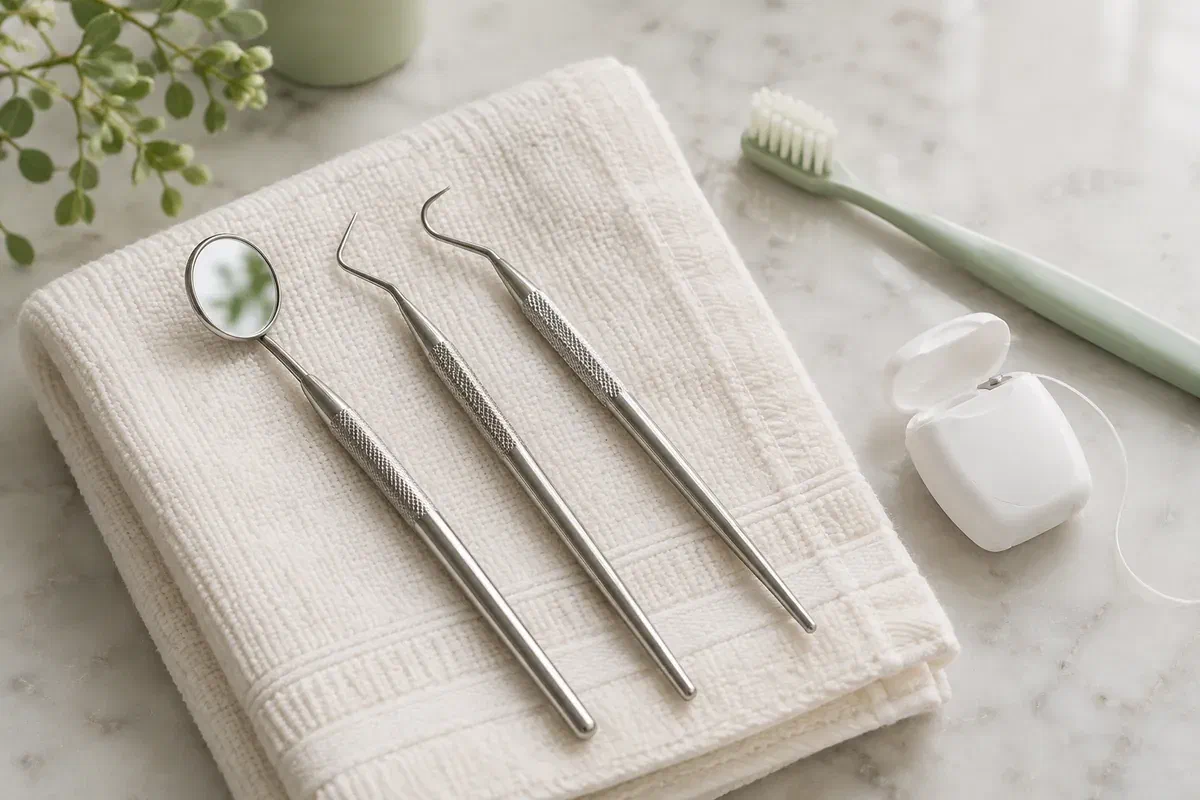
Illustrative periodontal cleaning instruments and a dental mirror beside everyday oral-care tools
Where the plan begins

The findings that start the process

A recommendation should name the sites involved and why they need treatment. Comfort is helpful to report, though it cannot by itself confirm the absence of gum disease.

A baseline set of measurements

Probe readings recorded now become the benchmark future visits are compared against. Your clinician interprets them with bleeding, inflammation, bone levels on images and your history. Ask for a copy or an explanation so you can follow changes over time.

Everyday symptoms

Note where gums bleed, feel tender or swell, and where food tends to catch. Describe the tools you use and any difficulty with them. That information shapes both the first treatment and the long-term routine that maintenance depends on.

What has been done before

If you have been through periodontal treatment or maintenance before, bring what records you can. Ask whether this plan targets new sites, persistent ones or a return to regular upkeep. History informs the plan without fixing what each visit must involve.

Periodontal assessment combines gum readings, tooth findings, health history and any indicated images. Treatment below the gums follows an explained need, not a belief that more intensive cleaning is always the better long-term strategy.

What the first course sets up

Settled tissue, then a pattern you can sustain

Removing deposits from the roots gives inflamed gums the chance to heal, something home care alone cannot achieve once calculus sits below the gumline. Whether the tissue has responded is decided at the review, using measurements and examination, so ask what a realistic outcome is for each area.

What keeps the improvement is the pairing of daily cleaning at home and professional maintenance at the right interval. You should leave with a routine that fits your life and a clear idea of when to return. If something about it seems unsustainable, say so now rather than months later.

Patient information: American Academy of Periodontology — scaling, root planing, and continuing maintenance

Scope based on findings

Your first course may cover a few teeth or several areas. The extent explains session length and staging. It should be designed from your exam, not drawn from a standard package that ignores your history.

Comfort planned in advance

Raise sensitivity, anxiety or a cleaning that once hurt. Ask whether local anaesthetic is advised and how you will signal a pause. Comfort arrangements can carry forward into maintenance visits, too.

Review leading to maintenance

Ask when the reassessment is and what would lead to more care. Some areas heal more slowly. The review determines whether you move to regular maintenance, need additional cleaning or should see a specialist.

The first cycle

From baseline to review, and what follows

The number and length of sessions depend on how much treatment is needed and your comfort. Ask about the whole timeline, including the review and the likely maintenance pattern, before booking.

  1. Record the baseline

    The clinician reviews gum readings, relevant images, medical history and previous care. Ask which sites need treatment below the gum and the reasons. Confirm the estimate and whether the review appointment is included.

  2. Prepare for treatment

    Talk about sensitivity or nerves and agree on a pause signal. Local anaesthetic may be recommended. Share your medicines and health conditions, and keep taking prescribed treatment unless your physician advises a change.

  3. Initial periodontal therapy

    Deposits are removed from the identified roots with suitable instruments, in one session or several depending on access and findings. You are shown how to clean the treated areas and given time to ask questions.

  4. Review and set the rhythm

    After healing, symptoms and measurements are compared with the baseline. You discuss which areas improved and which need more care. The results set your maintenance interval or prompt further treatment, since one course does not secure permanent stability.

Between treatment and review

The healing weeks shape what comes next

Instructions depend on what was treated and whether freezing was used. Ask what is normal during healing and what would justify contacting the clinic early.

Numbness and first meals

If you were frozen, wait for feeling to come back before chewing, and be careful with hot drinks to avoid burns or bites. Report sensitivity that is severe, lingering or different from what was explained. A painful tooth later may need its own check.

Building the habit

These weeks are a good time to make the routine you were shown automatic. If a space feels different or a tool no longer fits, ask. Avoid hard scrubbing, and do not abandon tender areas; we can suggest a gentler way to keep them clean.

The review visit

Tell the clinician about comfort, bleeding and how cleaning has gone. Gums may look different as inflammation settles, so mention any worry about gaps or recession. The findings at this visit set the pattern for your maintenance.

Patient information: University Dental Hospital of Manchester — periodontal treatment, sensitivity, and gum changes

Stages of gum care

Prevention, active therapy and periodontal maintenance

Ask which stage you are in and how that was decided. Over the years you may move between them as your findings change.

When no active gum disease is found

Preventive cleaning

A routine cleaning with advice suits gums without signs of periodontal disease. Ask what is being maintained and how often to return. A gap in visits does not, alone, mean you need a deeper cleaning.

When disease needs treatment below the gum

Active nonsurgical therapy

Discuss the sites, comfort measures, staging and review. This phase aims to bring gum disease under control alongside your home care. It does not replace lost bone or remove the need for maintenance afterward.

When the review shows what comes next

Maintenance, further care or referral

Many people move into regular periodontal maintenance; some sites may need more treatment or a periodontist. Ask what the review found and what the plan is for each area. More care does not mean surgery everywhere.

Questions from Rockwood

What happens after the first treatment?

Knowing the long-term plan makes the first step easier to commit to. Ask about maintenance, comfort, fees and how this compares with past cleanings.

(905) 876-4488
What is periodontal maintenance, and how is it different?
It is a cleaning and review schedule designed for people who have already been treated for gum disease. Visits usually include rechecking measurements, cleaning below the gum where deposits have returned and tuning your home routine. The interval is set from your review findings rather than a standard six-month habit.
Will I need deep cleaning again in the future?
Some people do, particularly if certain sites flare up again or health circumstances change. Others stay stable for long stretches with maintenance and steady home care. The findings at each visit decide which way things go, so ask which signs would suggest that a site needs active treatment again.
Can my maintenance interval get longer over time?
It can, if your gums stay stable across several visits in a row. It can also shorten if bleeding or deeper readings reappear. Ask what your clinician is watching for at each appointment and what would justify moving the interval in either direction, so the schedule never feels arbitrary.
Is deep cleaning a one-time fix for gum disease?
It is usually the first stage of management rather than a permanent cure. Gum disease can return if plaque builds up again, which is why daily care and regular maintenance matter so much afterward. Ask how your plan accounts for the long term, and what your own part in it will be.
What will be compared at my future checkups?
Your clinician typically compares new gum measurements, bleeding and tissue appearance with your baseline and later records, along with images when they are indicated. Tracking the same sites over months and years helps spot a change early, while it is still simpler to manage, and adjust care before a problem grows.
Can I combine maintenance visits with other errands when I come in?
Many people from smaller villages plan dental visits around other trips and commitments. Ask the team about appointment times that suit you, and mention any scheduling limits when booking. A maintenance plan that fits your routine is far more likely to be kept over the years.
Rockwood and our Milton practice

Start the first stage with the whole plan in view

Contact our Bronte Street practice to talk through a deep-cleaning recommendation or ongoing gum concerns. We can explain the findings, how initial treatment could be staged and what maintenance might involve afterward.

Diagnosis, treatment extent, comfort measures, number of visits, maintenance interval and fees depend on assessment. No one course of cleaning can guarantee lasting gum stability.

Visit Milton Dental Clinic
Unit 1, 342 Bronte St. S, Milton, ON L9T 5B7
Get directions Clinic hours
Monday–Thursday
11am–7pm
Friday–Sunday
By appointment only

Areas we serve

  • Milton
  • Oakville
  • Mississauga
  • Georgetown
  • Halton Hills
  • Acton
  • Campbellville
  • Brampton
  • Burlington
  • Puslinch
  • Rockwood
  • Erin
  • Caledon
  • Etobicoke
  • Old Milton
  • Bronte Meadows
  • Timberlea
  • Dorset Park
  • Dempsey
  • Clarke
  • Beaty
  • Coates
  • Harrison
  • Scott
  • Willmott
  • Ford
  • Bowes
  • Cobden
  • Walker
  • Mountain View
  • Milton Heights
  • Hawthorne Village
  • Valley View
  • Fallingbrook
  • Nassagaweya
  • Trafalgar
  • Esquesing
  • Nelson
  • Brookville
  • Moffat
  • Glen Williams
  • Norval
  • Limehouse
  • Stewarttown
  • Ashgrove
  • Hornby
  • Silver Creek
  • Speyside
  • Scotch Block
  • North Oakville
  • River Oaks
  • Glen Abbey
  • West Oak Trails
  • Palermo
  • Bronte Creek
  • College Park
  • Joshua Creek
  • Uptown Core
  • Preserve
  • Iroquois Ridge
  • Lisgar
  • Meadowvale
  • Meadowvale Village
  • Churchill Meadows
  • Erin Mills
  • Central Erin Mills
  • Streetsville
  • East Credit
  • Creditview
  • Heartland
  • Sheridan
  • Mount Pleasant
  • Credit Valley
  • Huttonville
  • Churchville
  • Springbrook
  • Northwest Brampton
  • Bram West
  • Fletcher's Meadow
  • Fletcher's Creek South
  • Alton Village
  • Orchard
  • Millcroft
  • Headon Forest
  • Tansley
  • Brant Hills
  • Tyandaga
  • Kilbride
  • Lowville
  • Aberfoyle
  • Morriston
  • Arkell
  • Hillsburgh
  • Freelton
  • Carlisle
  • Waterdown
  • Flamborough
  • Mountsberg

How can we help?

Milton Dental Clinic

Have a question about your smile? Choose the option that works best for you.

For urgent dental concerns, please call.
Messages are reviewed during clinic hours.