

Illustrative patient discussing recovery after a dental extraction with a clinician
Specialized Care

Dry Socket Treatment

Pain that increases after a tooth extraction deserves a call. Ask about dry socket treatment in Milton so the healing area can be assessed, other causes considered, and a plan made for comfort and follow-up.

A closer look at dry socket treatment

When recovery becomes more painful, have the healing area checked.

Dry socket is a painful complication that can occur after a tooth is removed when the protective blood clot does not form properly or is lost or breaks down too early. It is often noticed several days after an extraction. The condition needs assessment; looking into the socket at home cannot establish the diagnosis.

Some discomfort is expected after an extraction, but pain that is increasing, difficult to manage, or different from the instructions you were given should be discussed. Dry socket is one possible explanation. An examination also considers other healing problems and nearby teeth rather than assuming that every painful extraction site has the same cause.

Call Milton Dental Clinic with the extraction date, the location, and how the symptoms have changed. If another provider removed the tooth, tell us and bring any instructions or treatment information available. We can discuss assessment availability and the next step without asking you to diagnose the socket yourself.

Request a review of extraction discomfort
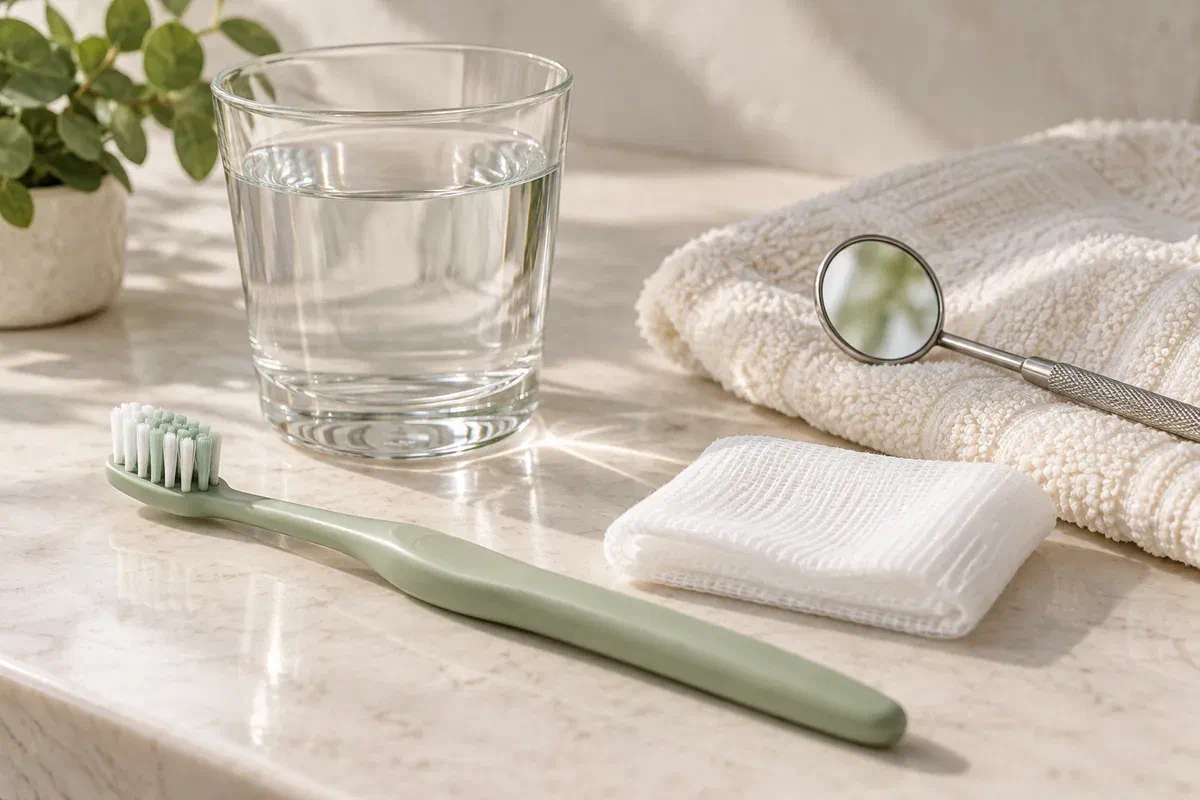
Illustrative gentle oral-care supplies with a toothbrush, water glass, gauze, and dental mirror
Changes to describe after an extraction

The pattern of recovery is more useful than the socket's colour.

Explain what you felt immediately after treatment and what is happening now. Include the advice you received and any medicines you have taken so the clinician can understand the full sequence.

Pain that worsens after the first few days

Tell the team when the pain became stronger and whether it affects sleep, eating, or daily activities. Describe its location without probing the socket. A change from the expected recovery pattern is a reason to call, even if you are unsure how the area looks.

An unpleasant taste or breath change

Mention these changes alongside the pain and extraction history. They may be relevant to the assessment, but they do not identify the cause on their own. Avoid trying to remove material from the socket with fingers, cotton buds, or other objects to investigate.

Symptoms beyond the extraction site

Report increasing facial swelling, fever, feeling unwell, or bleeding that is not settling. These concerns should not simply be labelled dry socket. Explain any medical conditions and prescribed medicines that could affect the evaluation or the advice you receive.

Dry socket involves a problem with healing and is not automatically an infection. The clinician determines whether the findings support that diagnosis or whether a different complication needs attention.

What a review can help establish

Make the discomfort manageable and understand how to look after the site.

A review gives you a chance to explain what is not going as expected and have the area examined. If dry socket is identified, treatment is aimed at managing symptoms while healing continues. Ask what improvement is expected, how soon to make contact if it does not occur, and whether another visit is planned.

The appointment should also make home care clearer. Advice needs to fit the time since the extraction and any treatment provided today. You should not have to choose between conflicting instructions found online or guess whether an earlier instruction still applies after the socket has been treated.

Patient information: Guy's and St Thomas' — dry socket care after dental surgery

An explanation of the actual finding

Ask whether the discomfort is consistent with dry socket, another healing concern, or a different source. Understanding the finding helps explain the recommended care. If the diagnosis remains uncertain, ask what further review or information would help resolve it.

Professional care for the affected area

Treatment may involve gently washing the socket and placing an appropriate dressing. Ask what is being used and whether it needs review or removal. The purpose is comfort during healing; a dressing does not mean the socket has instantly healed.

A realistic plan for pain and follow-up

Discuss suitable pain management in light of your health, medicines, and allergies. Ask whom to contact if the current approach is not sufficient. Do not increase doses or combine products without checking the instructions and obtaining appropriate professional advice.

What the review may involve

Review the extraction, assess the socket, and explain the care from here.

The appropriate treatment depends on what the clinician finds. Bring the original aftercare sheet if available and explain which instructions you have found difficult to follow.

  1. Describe the recovery timeline and earlier treatment

    Give the date and location of the extraction and say whether it was straightforward or involved additional surgery, if you know. Explain when the pain changed, what medicines were taken, and whether another clinician has already reviewed the area.

  2. Examine the site and consider other causes

    The clinician assesses the socket and nearby tissues and considers further investigation if indicated. Ask what the examination shows. A photograph taken at home can record a concern, but it does not replace assessment of the painful area.

  3. Discuss local care and comfort measures

    If dry socket is diagnosed, the dentist can explain the proposed local treatment and pain-management advice. Ask about any dressing and how it should be cared for. Medication decisions should follow the findings rather than the assumption that an antibiotic is always needed.

  4. Confirm the review arrangements and warning signs

    Find out whether a planned return visit is needed or when to call if symptoms persist. Ask how to clean and eat around the site after today's treatment. Keep the contact information handy so a change in symptoms does not leave you unsure where to turn.

Caring for the socket after review

Be gentle with the healing area and follow the current instructions.

Ask for specific guidance about rinsing, brushing, food, and any dressing. The advice should match the stage of healing and treatment received rather than a general rule for every extraction.

Avoid disturbing the socket or its dressing

Do not pick at the area or insert a home-made dressing. If a material has been placed, ask what to expect and what to do if it comes away. Contact the team with concerns instead of packing more material into the socket yourself.

Keep the rest of your mouth clean

Follow the demonstrated cleaning approach and ask how to manage the nearby teeth comfortably. If rinses are advised, use the method and timing given by the clinician. Avoid vigorous or improvised cleaning that could irritate the area you are trying to protect.

Discuss smoking and practical recovery difficulties

Smoking can increase the risk of dry socket and complicate recovery. Tell the clinician if avoiding it is difficult so relevant support can be discussed. Explain any problem eating, drinking, or following the plan; useful advice should account for what is actually happening at home.

Choosing care for post-extraction pain

The diagnosis determines whether local care, reassurance, or further treatment is needed.

Ask what supports the recommendation and how the response will be checked. A painful extraction site should be assessed on its own findings rather than treated according to a previous experience.

When the examination supports normal recovery

Review and guidance for expected healing

The clinician may explain the healing findings and refine aftercare or pain-management advice. Ask which changes are expected and which are not. Reassurance is most helpful when it comes with a clear reason and a way to seek review if the pattern changes.

When the socket needs symptom-focused care

Local treatment for diagnosed dry socket

Professional cleaning of the socket and a suitable dressing may be considered. Ask whether repeat visits are likely and what each visit is intended to achieve. The plan should support comfort while healing continues, without promising immediate closure of the socket.

When the findings do not fit uncomplicated dry socket

Assessment or treatment for another complication

Different findings may require further investigation, treatment, or coordination with the original surgeon. Ask what remains to be clarified and how the next appointment will be arranged. Antibiotics or other interventions are selected for the diagnosis, not simply because an extraction has taken place.

Dry socket questions

Understand the pain pattern, the dressing, and when to return.

Contact the team about a difficult recovery rather than trying to decide from a mirror whether a clot is present. Your history and examination guide the explanation and plan.

(905) 876-4488
Can I identify dry socket just by looking for a visible blood clot?
No. The appearance alone is not a reliable way to make the diagnosis at home. Explain the pain and recovery timeline and arrange a review when concerned. Avoid touching or scraping the socket to check what is inside.
Is every increase in pain after an extraction caused by dry socket?
No. Dry socket is one possibility, but other healing concerns or nearby teeth may need assessment. Tell the clinician about swelling, fever, bleeding, and changes in general health as well as pain. Those details help guide the examination.
Will I automatically need antibiotics if dry socket is diagnosed?
Not automatically. Dry socket is not itself proof of an infection requiring antibiotics. The clinician considers the examination and your health before recommending medication. Ask what local care and follow-up are needed, whether or not a medicine is prescribed.
Does a dry socket dressing need another appointment?
It may. Ask what type of dressing has been used, whether it needs review or removal, and what to do if it comes away. Follow the specific instructions given rather than removing it or replacing it with material at home.
Can the clinic assess extraction pain if my tooth was removed somewhere else?
Call to discuss availability and explain where the extraction was performed. Bring the treatment details and aftercare instructions if you have them. The assessment may lead to local care or coordination with the original provider, depending on the findings.
What should I do if the pain returns after treatment for dry socket?
Contact the treating team and explain when relief occurred and when symptoms returned. Further local care or reassessment may be needed. Do not assume that repeating medication or disturbing the dressing is the right response without advice.
Dry socket treatment in Milton

Tell us how recovery has changed so the area can be assessed.

Contact our Bronte Street practice about increasing pain after an extraction and current appointment availability. Bring the treatment date and any instructions you received. If you need immediate help and cannot reach us, seek another available urgent dental provider.

Online requests are non-urgent. Diagnosis, treatment, medicines, follow-up intervals, and fees depend on assessment. Treatment for dry socket does not guarantee immediate healing.

Visit Milton Dental Clinic
Unit 1, 342 Bronte St. S, Milton, ON L9T 5B7
Get directions Clinic hours
Monday–Thursday
11am–7pm
Friday–Sunday
By appointment only

How can we help?

Milton Dental Clinic

Have a question about your smile? Choose the option that works best for you.

For urgent dental concerns, please call.
Messages are reviewed during clinic hours.