

Illustrative patient discussing recovery after a dental extraction with a clinician
Specialized Care

Dry Socket Treatment in Caledon

The extraction seemed to be settling, then the pain came back stronger, or eased after treatment and returned. From Bolton or elsewhere in Caledon, call so the socket can be reassessed, other causes considered, and the follow-up plan adjusted.

When pain returns

Better for two days, then worse again

A frustrating pattern: the first days after an extraction go reasonably well, you start to relax, and then the ache returns with more force. Sometimes it happens even after a socket has already been treated once. A comeback like that is worth reporting. Dry socket, where the clot that protects the bone in the socket does not form properly, is dislodged, or breaks down early, often shows up in exactly this way, a few days after the tooth comes out. An examination is still the only way to confirm it.

Returning pain does not always mean the same problem is back. Normal healing has ups and downs, and other complications or a neighbouring tooth can also be responsible. Pain that rises again, does not respond to the current plan, or differs from what you were told to expect is what should prompt a call. The dentist will look at the socket and the wider area before deciding on next steps.

Calling our Bronte Street practice from Caledon, let us know the extraction date, the tooth, and the timeline of better and worse days. If the socket has already been treated, say when and by whom, and whether a dressing was placed. If the extraction was elsewhere, bring their instructions. We will then discuss availability.

Call about returning extraction pain
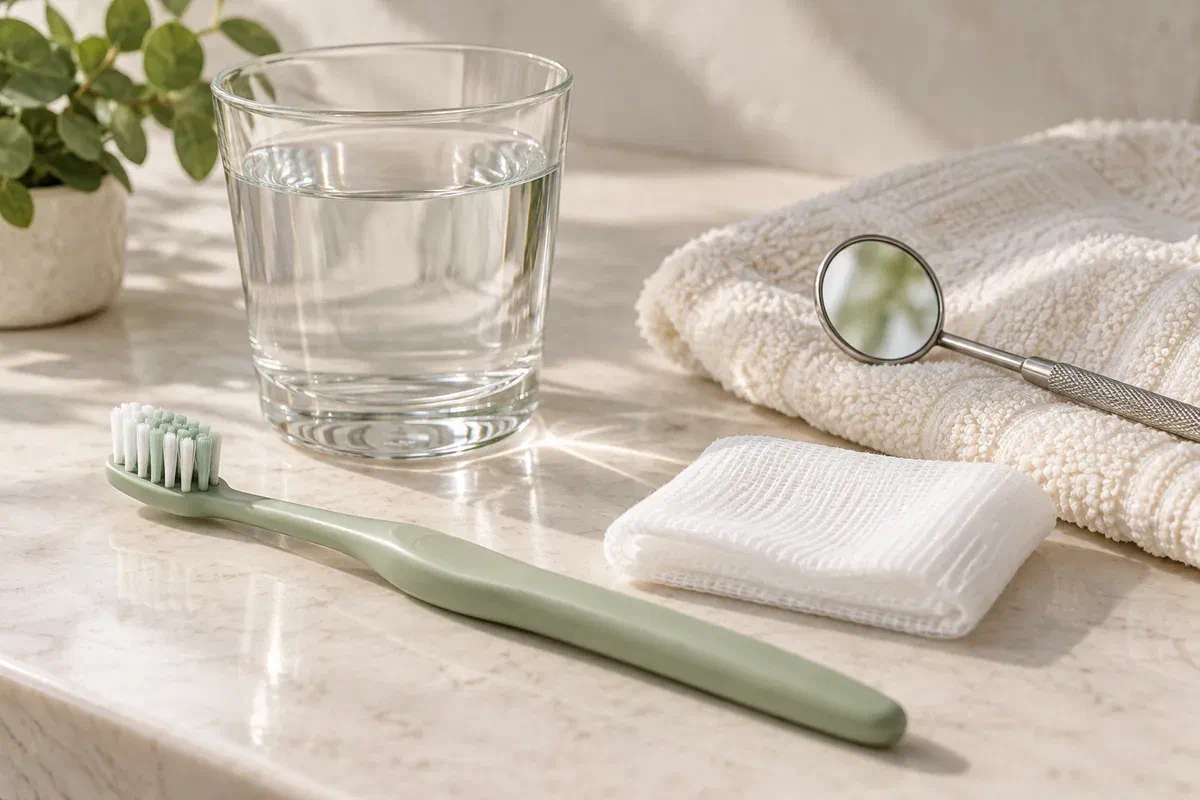
Illustrative gentle oral-care supplies with a toothbrush, water glass, gauze, and dental mirror
Tracking the ups and downs

A day-by-day account helps more than a single snapshot.

Note how the first days felt, when relief came, when pain returned, and what you were doing at the time. Add the instructions you were given and every medicine you have used along the way.

Pain that came back after easing

Tell us when you felt better and when the ache returned, and whether it now affects sleep, eating, or work. Point to the area without pressing on it. Whether or not the socket looks different, a return of pain deserves a call.

A taste or breath change with the return

If an unpleasant taste came back along with the pain, mention it. It may be useful, but it does not reveal the cause by itself. Avoid scraping or wiping out the socket, or pulling at a dressing, to find out more.

Warning signs alongside the pain

Facial swelling that increases, a fever, feeling unwell, or bleeding that will not stop should be reported quickly. They should not be put down to dry socket returning. Let us know about any health conditions and prescriptions as well.

Dry socket is a disturbance of healing, not automatically an infection, and returning pain does not mean that it has turned into one. The examination decides what the findings mean.

Why reassessment helps

Understand the setback and get the plan back on course.

A reassessment lets the dentist see how the socket looks now compared with what you remember, or with an earlier visit. If dry socket is confirmed, or has flared again, local care aims to settle symptoms while healing continues. Ask how quickly relief should follow this time, when to call if it fades again, and whether regular check-ins make sense.

Updated home-care advice is part of it. What you should do now depends on how far healing has come and on any new treatment given today. Instructions from the first visit may no longer apply, so ask which to keep and which to drop.

Patient information: Guy's and St Thomas' — dry socket care after dental surgery

Clarity about why pain returned

Ask whether the findings point to dry socket, a separate healing issue, or pain from another tooth. The cause shapes the next steps. If it is not yet clear, ask what further review or information could settle it.

Care for the socket, again if needed

Treatment may include gently cleaning the socket again and placing or changing a dressing. Ask what is used and whether another check is planned. A fresh dressing supports comfort while healing continues; it is not a final fix.

A pain and contact plan that holds up

Review pain relief with your health, medicines, and allergies in mind. Agree on who to contact if the pain returns again. Do not raise doses or combine products without checking labels and getting professional advice.

At the reassessment

Retrace the timeline, look again, adjust the plan.

The care offered depends on what the dentist finds. Bring your aftercare instructions, including any from an earlier dry socket visit, and mention what has been hard to follow.

  1. Go over the whole recovery

    Share the extraction date and place, whether it was surgical if known, and any earlier treatment of the socket. Describe the pattern of better and worse days, what medicines you have taken, and who else has seen the area.

  2. Re-examine the socket

    The dentist looks at the socket and surrounding tissue again and may suggest further investigation if the picture has changed. Ask what is different from before. A photo can help describe a concern but cannot replace the examination.

  3. Adjust the local care

    If dry socket is still the finding, the dentist explains any further cleaning or dressing and updated pain advice. Ask how to look after a new dressing. Medicine depends on the findings; returning pain does not automatically mean antibiotics.

  4. Set a firmer follow-up plan

    Agree on whether to book a return visit or call by a certain point if things do not improve. Ask how to brush and eat around the site now. Keep our number handy so another setback has a clear next step.

Keeping the improvement going

Steady habits help the socket finish healing.

Ask for specific guidance on rinsing, brushing, food, and any dressing after this visit. It should reflect your current healing and the latest treatment, not earlier instructions by default.

Let the socket and dressing settle

Avoid checking the site with your tongue or fingers and do not add your own packing. If a dressing is in place, learn what normal feels like and what to do if it dislodges. Call us rather than replacing it.

Keep the rest of your mouth clean

Brush using the method you were shown and ask how to manage teeth next to the site. Follow any rinse instructions for timing and technique. Avoid vigorous swishing or improvised tools near the healing socket.

Talk about smoking and what got in the way

Smoking can increase the risk of dry socket and slow recovery. If it has been hard to avoid, say so and ask about support. Mention anything else that made the earlier plan hard to follow, so the new one is realistic.

What reassessment may lead to

Repeat care, reassurance, or a fresh look at the cause

Ask what the recommendation is based on and how its effect will be tracked this time. Returning pain should be assessed on today's findings.

When the setback is part of normal recovery

Reassurance that healing is progressing

The dentist may explain that the socket is healing and that some ups and downs are expected, adjusting your aftercare or pain advice. Ask which signs would change that view. Reassurance should come with a reason and a clear plan to return.

When the socket needs more symptom-focused care

Further local care for dry socket

Repeat cleaning or a new dressing may be suggested. Ask how many more visits might be needed and what each will do. The aim is comfort while healing continues, without promising an immediate end to symptoms.

When the return of pain points elsewhere

Investigation for another cause

Different findings may need further investigation, a different treatment, or coordination with the original surgeon or dentist. Ask what remains to be clarified and how the next step will be arranged. Medicines are matched to a diagnosis, not to a return of pain alone.

Caledon questions

When the pain keeps coming back

Call us about a recovery that has stalled again rather than trying to judge the socket yourself. The timeline and an examination guide the plan.

(905) 876-4488
Is it normal for dry socket pain to return after the first dressing?
It can happen, and some people need more than one round of local care. Call and describe when relief started and when pain returned so the dentist can decide whether another review is needed.
How many dry socket visits do people usually need?
It varies with the findings and how you respond to treatment. Some need a single visit, others a few. Ask at each appointment what the plan is and what would prompt another one.
Could the returning pain be from a different tooth?
Yes, that is possible. Neighbouring teeth or gum can cause pain that feels like it is coming from the socket. The dentist examines the wider area, so mention any sensitivity to temperature or biting.
My dressing came out and the pain returned. What now?
Call the clinic rather than replacing it yourself. Explain when it came out and how the pain changed. The dentist will advise whether you need to come in for further care.
Should I keep using my original aftercare instructions after a second treatment?
Check with the dentist. Instructions can change after repeat cleaning or a new dressing. Follow the latest guidance, and ask about anything that seems to conflict with earlier advice.
Can follow-up visits be planned around a drive from Caledon?
Ask during your appointment whether further visits are likely and when they might be needed, so you can plan ahead. Calling before you drive in helps confirm availability.
Dry socket follow-up for Caledon

If the pain has come back, let us take another look.

Call our Bronte Street practice when extraction pain returns or keeps getting worse, and ask about current openings. Have the extraction date, details of any earlier treatment, and your instructions ready. If you need immediate help and cannot reach us, contact another urgent dental provider.

Online requests are reviewed as non-urgent. Diagnosis, treatment, medicine, follow-up, and fees are determined after examination. Dry socket care does not guarantee immediate or uninterrupted healing.

Visit Milton Dental Clinic
Unit 1, 342 Bronte St. S, Milton, ON L9T 5B7
Get directions Clinic hours
Monday–Thursday
11am–7pm
Friday–Sunday
By appointment only

Areas we serve

  • Milton
  • Oakville
  • Mississauga
  • Georgetown
  • Halton Hills
  • Acton
  • Campbellville
  • Brampton
  • Burlington
  • Puslinch
  • Rockwood
  • Erin
  • Caledon
  • Etobicoke
  • Old Milton
  • Bronte Meadows
  • Timberlea
  • Dorset Park
  • Dempsey
  • Clarke
  • Beaty
  • Coates
  • Harrison
  • Scott
  • Willmott
  • Ford
  • Bowes
  • Cobden
  • Walker
  • Mountain View
  • Milton Heights
  • Hawthorne Village
  • Valley View
  • Fallingbrook
  • Nassagaweya
  • Trafalgar
  • Esquesing
  • Nelson
  • Brookville
  • Moffat
  • Glen Williams
  • Norval
  • Limehouse
  • Stewarttown
  • Ashgrove
  • Hornby
  • Silver Creek
  • Speyside
  • Scotch Block
  • North Oakville
  • River Oaks
  • Glen Abbey
  • West Oak Trails
  • Palermo
  • Bronte Creek
  • College Park
  • Joshua Creek
  • Uptown Core
  • Preserve
  • Iroquois Ridge
  • Lisgar
  • Meadowvale
  • Meadowvale Village
  • Churchill Meadows
  • Erin Mills
  • Central Erin Mills
  • Streetsville
  • East Credit
  • Creditview
  • Heartland
  • Sheridan
  • Mount Pleasant
  • Credit Valley
  • Huttonville
  • Churchville
  • Springbrook
  • Northwest Brampton
  • Bram West
  • Fletcher's Meadow
  • Fletcher's Creek South
  • Alton Village
  • Orchard
  • Millcroft
  • Headon Forest
  • Tansley
  • Brant Hills
  • Tyandaga
  • Kilbride
  • Lowville
  • Aberfoyle
  • Morriston
  • Arkell
  • Hillsburgh
  • Freelton
  • Carlisle
  • Waterdown
  • Flamborough
  • Mountsberg

How can we help?

Milton Dental Clinic

Have a question about your smile? Choose the option that works best for you.

For urgent dental concerns, please call.
Messages are reviewed during clinic hours.