

Illustrative patient discussing recovery after a dental extraction with a clinician
Specialized Care

Dry Socket Treatment in Erin

Meals, brushing, rinsing: every small routine gets complicated when an extraction site starts hurting more. For households in Erin and Hillsburgh, we can examine the socket, check other causes, and send you home with a routine that fits.

The everyday side of recovery

Soup, a soft toothbrush, and a lot of uncertainty

Most of recovering from an extraction happens at the kitchen table and the bathroom sink. So when the socket begins to throb a few days later, the questions are practical ones. Can I still rinse? Is it safe to brush near it? What can I eat? Pain like this can be a sign of dry socket, in which the protective clot in the socket does not form properly or is lost or broken down too soon, though only an examination can confirm it.

Ordinary soreness gets a little easier day by day. The kind worth a phone call is pain that mounts, stops responding to what you were told to do, or simply feels unlike the description on your aftercare sheet. A dentist examines the socket and the gum and teeth around it, because a few different problems can produce a similar ache.

From Erin, a call to our Bronte Street practice helps you plan the trip and the household around it. Tell us the date the tooth came out, which tooth, and how the discomfort has progressed. If another office did the extraction, mention it and bring their instructions. We will go over available times with you.

Get help with a painful extraction site
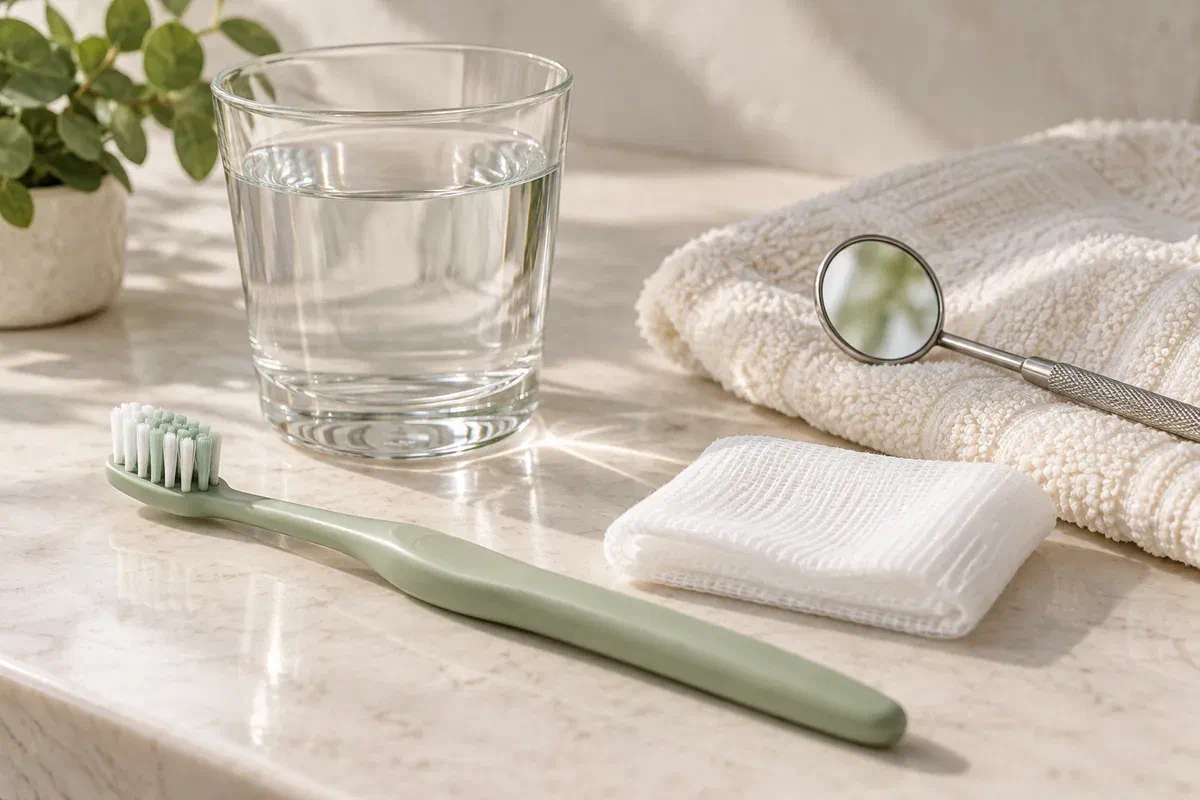
Illustrative gentle oral-care supplies with a toothbrush, water glass, gauze, and dental mirror
What has changed at home

Tell us where daily routines have become difficult.

Describe the first day or two after the extraction, then how things are now, including what has become hard to do. Mention your instructions and any medicines used so far, prescribed or bought off the shelf.

Pain that makes meals or sleep harder

If chewing, drinking something warm, or lying down has become harder, say when that started. Show us the general area rather than pressing into the socket. A recovery that is getting worse instead of better is reason to call, however it looks.

A taste that lingers after brushing

Mention an unpleasant taste or breath change with your other symptoms. It can be part of the picture but does not identify the cause. Resist cleaning out the socket with your fingers or a swab to fix it.

Symptoms beyond the socket

Facial swelling that is getting larger, a temperature, generally feeling poorly, or bleeding that keeps returning should be reported promptly. Do not assume these are dry socket. Share your health conditions and medicines so the advice is safe for you.

Dry socket is a hiccup in healing rather than an automatic infection. The examination shows whether that is what is happening or whether a different complication needs care.

Leaving with a routine that works

Comfort, clarity, and instructions you can follow at the sink

At the review, the dentist examines the socket and listens to how recovery has been going. If dry socket is confirmed, treatment is aimed at easing the pain as healing continues. Ask how soon you might notice a difference, when to call if nothing changes, and whether you should plan for another visit.

Just as important, you leave with home-care steps that suit this point in your healing and any treatment you had. That means no more weighing an old handout against something read online, and no guessing whether yesterday's rinse is still a good idea.

Patient information: Guy's and St Thomas' — dry socket care after dental surgery

What the dentist found

Ask whether the findings fit dry socket, another healing problem, or pain coming from a different tooth. Knowing which it is makes the routine easier to follow. If uncertainty remains, ask what would help resolve it.

Treatment for the socket itself

Care may involve washing the socket gently and placing a dressing to calm it. Ask what was used and whether it will be checked or removed later. The dressing eases discomfort while the socket keeps healing.

Pain relief that fits your day

Discuss pain management that works with your health, other medicines, and allergies. Ask who to contact if it falls short. Stay within label directions and speak to a professional before combining products.

During your visit

Talk, examine, treat, and write down the routine.

What happens depends on the findings. Bring the aftercare sheet from your extraction if you have it, and tell us which steps have been hard to keep up at home.

  1. Describe the recovery so far

    Give the extraction date and place and whether it needed surgery, if that is known. Say when the pain changed, which medicines you have used, and whether anyone else has looked at the area.

  2. Have the site examined

    The dentist checks the socket and nearby tissue and may suggest further investigation if it is called for. Ask what they see. A picture taken at home may help you explain, but it cannot replace the examination.

  3. Hear the treatment and comfort plan

    For a confirmed dry socket, the dentist explains local care and pain-management advice. Ask about any dressing and how eating and brushing should change around it. Medicines follow the findings; an antibiotic is not routine.

  4. Leave with the routine written down

    Ask for the rinsing, brushing, and eating instructions in writing if that helps, plus whether a return visit is planned and when to call. Keep the clinic's number on the fridge for the days ahead.

Your routine at home

Eat softly, brush carefully, rinse only as told.

Get specific guidance on rinsing, brushing, meals, and any dressing before you leave. It should reflect your current stage of healing and the treatment just given, rather than a general extraction rule.

Protect the socket and any dressing

Chew on the other side if advised and avoid poking the area with your tongue, fingers, or utensils. If a dressing was placed and it comes away, do not try to replace it; call us and describe what happened.

Brush and rinse the way you were shown

Keep the rest of your mouth clean using the method demonstrated, taking extra care beside the socket. If rinses are recommended, stick to the timing and technique given. Hard swishing and homemade cleaning tools can irritate the healing area.

Be open about smoking and practical problems

Smoking can raise the risk of dry socket and make healing harder. If going without is difficult, say so and ask about support. Let the dentist know if eating, drinking, or the plan itself is proving tricky at home.

Possible next steps

The examination decides which routine you need.

Ask what the recommendation is based on and how its effect will be checked. A painful socket should be assessed on today's findings, not on an earlier extraction.

When recovery looks on track

Refined home care for normal healing

The dentist may explain that the socket is healing as expected and suggest changes to your routine or pain relief. Ask which sensations are normal and which would mean calling again. Reassurance should come with a reason.

When local treatment is needed

Socket care for dry socket

Gentle cleaning and a dressing may be suggested, along with a home routine that works around it. Ask whether more visits are likely and what each would involve. The aim is comfort while healing continues, not immediate closure.

When it is not uncomplicated dry socket

Different care for another finding

Other findings might call for further investigation, a different treatment, or coordination with the original provider. Ask what is still unclear and how the next appointment will be made. Medicine is chosen for a diagnosis, not prescribed simply because a tooth was removed.

Erin questions

Everyday questions about eating, brushing, and rinsing

Call us about a difficult recovery rather than trying to work out the socket from a mirror. The history and an examination shape the routine we suggest.

(905) 876-4488
What kinds of food are easiest while a dry socket heals?
Soft, lukewarm foods that need little chewing are often suggested, eaten on the opposite side. Ask the dentist for guidance specific to your extraction and any dressing, and follow those instructions.
Is it okay to brush the teeth right next to the socket?
Keeping your mouth clean matters, but technique near the socket should follow what the dentist shows you. Ask at the review how to clean the neighbouring teeth without disturbing the site.
Should I be doing salt-water rinses after dry socket treatment?
Only if the dentist recommends it, and only in the way and at the times described. Rinsing advice can change after the socket is cleaned or dressed, so check before you continue an earlier routine.
Can I drink through a straw yet?
Aftercare advice often discourages straws early in healing because of the suction. Ask the dentist when it is reasonable for you, especially if a dressing is in place.
Is every bit of extra pain after an extraction a dry socket?
No. Other healing problems or a nearby tooth can be responsible. Mention swelling, fever, or bleeding too, since those details shape what the dentist looks for.
How can we plan the trip from Erin around a possible second visit?
Ask at the first appointment whether a return visit is likely and roughly when, so you can plan ahead. Friday to Sunday visits are by appointment only, so call to confirm times.
Dry socket care for Erin

Bring your questions about home care, and we will check the site.

Call our Bronte Street practice when an extraction site is becoming more painful, and ask about available times. Have the extraction date and your instructions handy. If you need help immediately and cannot reach us, contact another urgent dental provider.

Online requests are not for urgent needs. Diagnosis, treatment, medicine, follow-up, and fees depend on the examination. Treatment for dry socket does not guarantee immediate healing.

Visit Milton Dental Clinic
Unit 1, 342 Bronte St. S, Milton, ON L9T 5B7
Get directions Clinic hours
Monday–Thursday
11am–7pm
Friday–Sunday
By appointment only

Areas we serve

  • Milton
  • Oakville
  • Mississauga
  • Georgetown
  • Halton Hills
  • Acton
  • Campbellville
  • Brampton
  • Burlington
  • Puslinch
  • Rockwood
  • Erin
  • Caledon
  • Etobicoke
  • Old Milton
  • Bronte Meadows
  • Timberlea
  • Dorset Park
  • Dempsey
  • Clarke
  • Beaty
  • Coates
  • Harrison
  • Scott
  • Willmott
  • Ford
  • Bowes
  • Cobden
  • Walker
  • Mountain View
  • Milton Heights
  • Hawthorne Village
  • Valley View
  • Fallingbrook
  • Nassagaweya
  • Trafalgar
  • Esquesing
  • Nelson
  • Brookville
  • Moffat
  • Glen Williams
  • Norval
  • Limehouse
  • Stewarttown
  • Ashgrove
  • Hornby
  • Silver Creek
  • Speyside
  • Scotch Block
  • North Oakville
  • River Oaks
  • Glen Abbey
  • West Oak Trails
  • Palermo
  • Bronte Creek
  • College Park
  • Joshua Creek
  • Uptown Core
  • Preserve
  • Iroquois Ridge
  • Lisgar
  • Meadowvale
  • Meadowvale Village
  • Churchill Meadows
  • Erin Mills
  • Central Erin Mills
  • Streetsville
  • East Credit
  • Creditview
  • Heartland
  • Sheridan
  • Mount Pleasant
  • Credit Valley
  • Huttonville
  • Churchville
  • Springbrook
  • Northwest Brampton
  • Bram West
  • Fletcher's Meadow
  • Fletcher's Creek South
  • Alton Village
  • Orchard
  • Millcroft
  • Headon Forest
  • Tansley
  • Brant Hills
  • Tyandaga
  • Kilbride
  • Lowville
  • Aberfoyle
  • Morriston
  • Arkell
  • Hillsburgh
  • Freelton
  • Carlisle
  • Waterdown
  • Flamborough
  • Mountsberg

How can we help?

Milton Dental Clinic

Have a question about your smile? Choose the option that works best for you.

For urgent dental concerns, please call.
Messages are reviewed during clinic hours.