

Illustrative patient discussing recovery after a dental extraction with a clinician
Specialized Care

Dry Socket Treatment in Puslinch

Many people assume a painful extraction site just needs a prescription. Often the real answer is local care at the socket. If you are calling from Puslinch, we can examine the area, sort out what is causing the pain, and plan comfort and follow-up.

Not just a prescription

Can I just get antibiotics for this?

It is one of the most common questions on the phone, and it is understandable. Pain plus a bad taste sounds like infection. Yet dry socket, one of the more likely reasons for an extraction site to get sorer a few days on, is not an infection in itself. It happens when the clot that should cover and protect the bone fails to form properly, is dislodged, or breaks down too early. Treatment usually focuses on the socket, and an examination is needed to tell what is really going on.

Some pain after an extraction is expected and fades over time. A pattern of pain that grows, resists the plan you were given, or differs from your instructions is what calls for a review. Because a sore socket can also come from other healing problems or a neighbouring tooth, the dentist looks beyond the extraction site before recommending anything, medicine included.

For a rural household in Puslinch, it is worth phoning our Bronte Street practice before setting out. Tell us when the tooth was removed, which one it was, and how the pain has developed. If another office did the extraction, let us know and bring the instructions you were given. We will talk through availability with you.

Ask whether a review makes sense
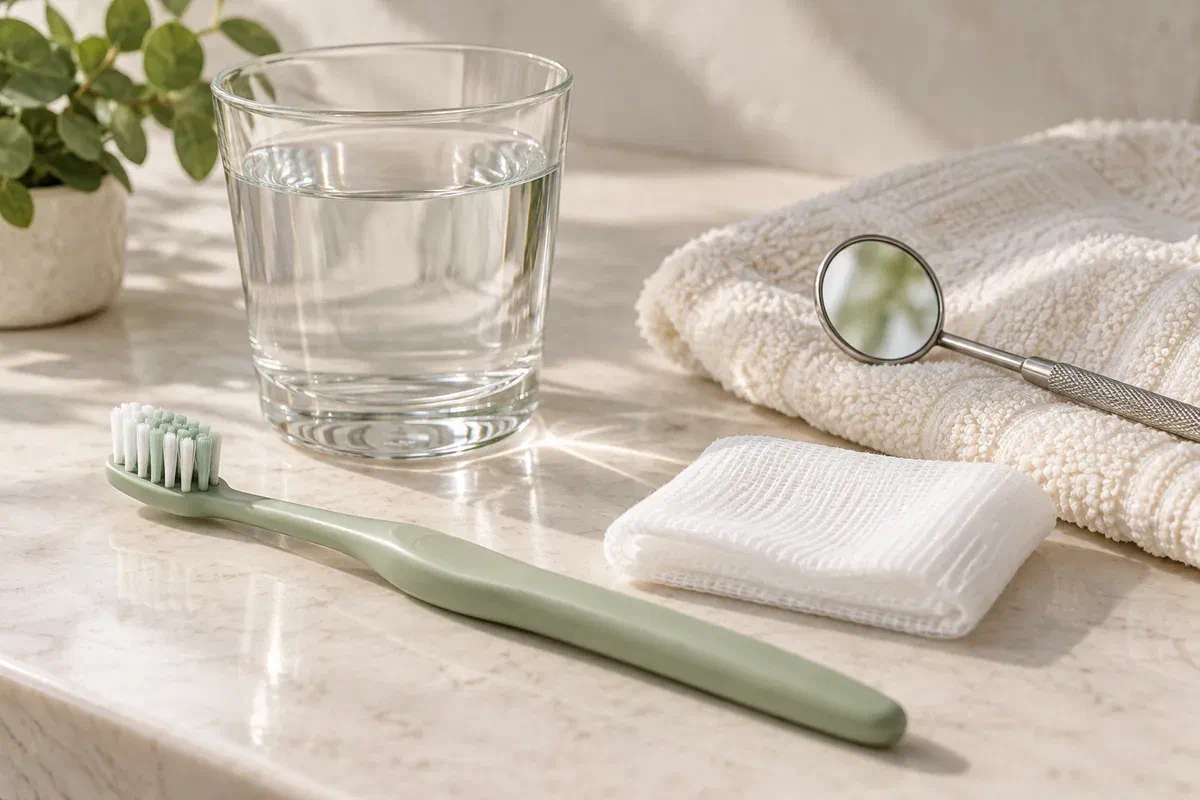
Illustrative gentle oral-care supplies with a toothbrush, water glass, gauze, and dental mirror
Things to report, beyond 'it hurts'

Details that steer the dentist toward the right treatment

Walk through the first days after the extraction and what has changed since. Mention the instructions you received and all medicines taken, including any leftover prescriptions you may have tried.

A rise in pain a few days after treatment

Say when the ache took a turn and whether it now keeps you awake, makes eating difficult, or interrupts farm or household work. Describe where it is without pressing into it. A recovery moving backwards warrants a call even if nothing looks unusual.

Bad taste or breath

These are easy to read as infection, but they can occur with dry socket and other healing changes too. Mention them with the rest of the history and let the examination sort it out. Avoid trying to clean out the socket yourself.

Signs that may point to something more

Facial swelling that grows, a fever, feeling unwell, or bleeding that continues need prompt attention. These should not be assumed to be dry socket, and they may change what treatment is needed. Share any medical conditions and current medicines.

Dry socket reflects disrupted healing, not automatically an infection. The dentist decides whether the findings match dry socket or a different complication, and treatment, including any medicine, follows from that.

Why the right diagnosis matters

Treatment aimed at the cause, not at a guess

A review gives you room to describe the problem and have the socket examined, so the treatment matches what is actually happening. If dry socket is diagnosed, local care aims to ease symptoms while healing continues. Ask what improvement to look for, how long to give it before calling, and whether you will need to come back.

You also get home-care guidance that suits this stage of healing and the treatment you have just had. That beats trying a leftover prescription, guessing at rinses, or following advice meant for a different situation.

Patient information: Guy's and St Thomas' — dry socket care after dental surgery

An understanding of the finding

Ask whether what the dentist sees fits dry socket, a different healing issue, or pain from somewhere else. Each one leads to different care. If the answer is not yet certain, ask what would help confirm it.

Care at the source of the pain

Local treatment may include washing out the socket gently and placing a dressing that soothes it. Ask what was used and whether a later visit is needed to check or remove it. It helps comfort while healing continues.

Medicine used only when it fits

Pain relief should suit your health, other medicines, and allergies, and antibiotics are kept for situations where the findings call for them. Ask who to call if relief falls short. Do not take extra or use old prescriptions without professional advice.

How the dentist decides

Listening, looking, then choosing the care

The treatment depends entirely on the findings. Bring the original aftercare sheet if you have it and mention any instructions that have been difficult to follow.

  1. Hear the full history

    Share the extraction date and where it was done, and whether surgery was involved, if you know. Explain when the pain shifted, what medicines you have used, and whether anyone has already assessed the site.

  2. Examine the socket and nearby teeth

    The dentist checks the extraction site and surrounding tissue and may recommend further investigation when indicated. Ask what is found. A home photo may help explain a worry, but an in-person examination is what guides treatment.

  3. Match the treatment to the diagnosis

    For dry socket, the dentist explains the local care proposed and gives pain-management advice. Ask about the dressing and how to protect it. If a medicine is suggested, ask why; it should follow the findings, not a general assumption.

  4. Arrange follow-up and red flags

    Confirm whether a return visit is planned or when to call if symptoms persist. Ask how to brush and eat near the site from today. Keep the clinic's number where you can find it so a change in symptoms has a clear next step.

Caring for the site

Follow today's instructions, not last week's.

Ask for specific guidance on rinsing, brushing, food, and any dressing. The advice should fit your stage of healing and the treatment you received, not a rule for every extraction.

Do not disturb the socket

Avoid probing the site or creating your own dressing. If one has been placed, ask what to expect and what to do if it comes out. Call the team with concerns instead of adding anything to the socket.

Keep everything else clean

Use the brushing approach demonstrated at your visit and ask how to clean the neighbouring teeth comfortably. If a rinse is advised, follow its method and timing. Skip vigorous rinsing or homemade tools near the area.

Mention smoking and anything else in the way

Smoking can increase the risk of dry socket and slow recovery. If avoiding it is hard, tell the dentist so support can be discussed. Raise any trouble with eating, drinking, or following the plan; the advice should fit everyday life.

Possible recommendations

Reassurance, local care, or treatment for something else

Ask what each recommendation is based on and how its effect will be checked. A painful socket should be judged on today's findings, not on what worked for someone else.

When healing is on track

Updated advice for normal healing

The dentist may explain that the site is healing as expected and suggest adjustments to aftercare or pain relief. Ask which sensations are normal and which would be a reason to call. Reassurance is most useful with a clear explanation.

When the socket needs symptom-focused care

Local care for dry socket

Gentle cleaning and a soothing dressing may be suggested in place of, not just alongside, medicine. Ask whether repeat visits are likely and what each will achieve. The aim is comfort while the socket heals, not immediate closure.

When the findings point to another issue

Treatment for a different complication

Other findings might call for further investigation, a different treatment, or coordination with the clinician who removed the tooth. This is where a medicine such as an antibiotic may be considered if the diagnosis supports it. Ask how the next step will be arranged.

Puslinch questions

Medicine, infection, and dry socket

Call us about a difficult recovery rather than deciding on your own what treatment it needs. Your history and an examination guide the plan.

(905) 876-4488
Why wouldn't the dentist simply prescribe antibiotics for dry socket?
Because dry socket is a problem with healing rather than an infection in itself, antibiotics are not usually the main treatment. Local care at the socket is often more helpful. The dentist considers your findings and health before suggesting any medicine.
I have leftover antibiotics from a previous problem. Can I take them?
No. Leftover antibiotics may not be suitable, may be the wrong dose, and may not address the cause. Call the clinic and arrange to have the site examined instead.
How do I know whether the socket is infected or dry?
You cannot reliably tell at home. Swelling, fever, and feeling unwell raise different concerns from pain alone. Describe all of your symptoms and let the dentist examine the area.
Is a socket dressing a type of medicine?
Some dressings contain soothing ingredients, and they are applied directly to the socket. Ask what was used, whether it needs review or removal, and what to do if it comes away.
Can the clinic take care of a socket if a different office closer to home did the extraction?
Call to discuss availability and tell us where the extraction took place. Bring any treatment details and instructions. Care may involve local treatment or contact with the original provider.
What if relief from treatment wears off after a day or two?
Contact the treating team and describe when you felt better and when the pain returned. Further local care or another review may be needed. Avoid repeating medicine or disturbing the dressing without advice.
Dry socket care for Puslinch

Let the examination decide the treatment.

Call our Bronte Street practice about extraction pain that is getting worse, and ask what appointments are open. Bring the date of the extraction and your instructions. If you need immediate help and cannot reach us, seek another urgent dental provider.

Online requests are handled as non-urgent. Diagnosis, any medicine, treatment, follow-up, and fees are decided after the examination. Treating dry socket does not guarantee immediate healing.

Visit Milton Dental Clinic
Unit 1, 342 Bronte St. S, Milton, ON L9T 5B7
Get directions Clinic hours
Monday–Thursday
11am–7pm
Friday–Sunday
By appointment only

Areas we serve

  • Milton
  • Oakville
  • Mississauga
  • Georgetown
  • Halton Hills
  • Acton
  • Campbellville
  • Brampton
  • Burlington
  • Puslinch
  • Rockwood
  • Erin
  • Caledon
  • Etobicoke
  • Old Milton
  • Bronte Meadows
  • Timberlea
  • Dorset Park
  • Dempsey
  • Clarke
  • Beaty
  • Coates
  • Harrison
  • Scott
  • Willmott
  • Ford
  • Bowes
  • Cobden
  • Walker
  • Mountain View
  • Milton Heights
  • Hawthorne Village
  • Valley View
  • Fallingbrook
  • Nassagaweya
  • Trafalgar
  • Esquesing
  • Nelson
  • Brookville
  • Moffat
  • Glen Williams
  • Norval
  • Limehouse
  • Stewarttown
  • Ashgrove
  • Hornby
  • Silver Creek
  • Speyside
  • Scotch Block
  • North Oakville
  • River Oaks
  • Glen Abbey
  • West Oak Trails
  • Palermo
  • Bronte Creek
  • College Park
  • Joshua Creek
  • Uptown Core
  • Preserve
  • Iroquois Ridge
  • Lisgar
  • Meadowvale
  • Meadowvale Village
  • Churchill Meadows
  • Erin Mills
  • Central Erin Mills
  • Streetsville
  • East Credit
  • Creditview
  • Heartland
  • Sheridan
  • Mount Pleasant
  • Credit Valley
  • Huttonville
  • Churchville
  • Springbrook
  • Northwest Brampton
  • Bram West
  • Fletcher's Meadow
  • Fletcher's Creek South
  • Alton Village
  • Orchard
  • Millcroft
  • Headon Forest
  • Tansley
  • Brant Hills
  • Tyandaga
  • Kilbride
  • Lowville
  • Aberfoyle
  • Morriston
  • Arkell
  • Hillsburgh
  • Freelton
  • Carlisle
  • Waterdown
  • Flamborough
  • Mountsberg

How can we help?

Milton Dental Clinic

Have a question about your smile? Choose the option that works best for you.

For urgent dental concerns, please call.
Messages are reviewed during clinic hours.