

Illustrative patient listening as a clinician explains a dental treatment plan
Specialized Care

Emergency Dental Treatment in Campbellville

A fall from a bike, a stray elbow in a pickup game, or a slip on icy steps can leave a tooth chipped, loose, or out. From Campbellville, call right away and describe the injury, so we can discuss availability, assessment, and what care may follow.

After a knock to the mouth

Injured teeth and the decisions that follow

An accident is often how emergency dental treatment begins, though sudden pain or swelling can lead there too. The term describes care chosen because a problem needs prompt attention, and it is not one procedure. After examining the injury, the dentist may recommend repairing the tooth, treating it or the tissues around it, splinting or stabilizing it, removing it, or referring you.

Injured teeth often need watching over time. The first appointment may protect and stabilize the area, while restoration, a review of how the tooth responds, or specialist care can come later. Understanding what today’s visit covers and what it leaves open helps you make good decisions and protect the result.

For a household in Campbellville, call as soon as you can after an injury and describe what happened. New and returning patients are welcome to ask about availability. If we cannot be reached and the injury needs immediate care, especially a knocked-out adult tooth, go to another emergency dental provider without delay. Never rely on an online form for this.

Call about a dental injury
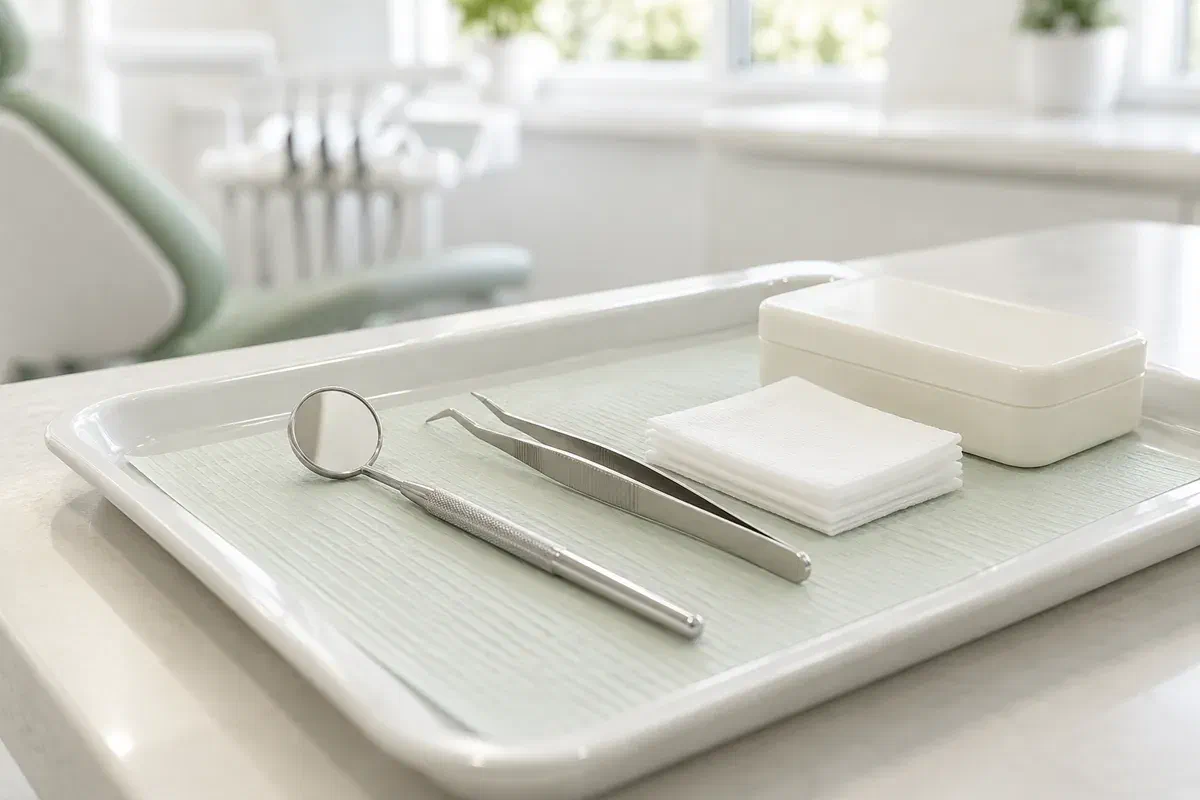
Illustrative prepared dental tray with a mirror, tweezers, and clean gauze
Telling us about the injury

What happened, which tooth, and how it looks now

Severity is only part of it. Explain how and when the injury happened, which teeth are involved, what you can see, how it affects eating or speaking, and any earlier dental work in the area.

Pain after the knock, or pain that builds later

An injured tooth may hurt right away or start aching days later. Tell us if eating, sleeping, or biting together is difficult, what you have tried, and whether hot or cold sets it off. Pain medicine can help comfort but does not assess the damage.

Swelling, bruising, or feeling unwell

Note any swelling of the lip, gum, or face, how fast it is changing, and whether a fever, general unwellness, or difficulty opening your mouth has followed. These details help decide where you should be seen and should be shared first.

A chipped, pushed, loosened, or knocked-out tooth

Tell us whether a piece has broken off, the tooth has moved or loosened, or it has come out entirely. Bring any fragment. A knocked-out permanent tooth is time-critical: handle it by the crown and seek emergency dental care immediately.

Head injuries can be more serious than they look. Call 911 or go to a hospital emergency department for loss of consciousness, a serious facial or head injury, bleeding that will not stop, or any difficulty breathing or swallowing, before thinking about the teeth.

Making sense of injury care

Ask what is being protected, and for how long

After an accident, the first priority is the right response for what the dentist finds. Ask what the treatment is intended to achieve, how its success will be judged, and whether the tooth will need monitoring. The explanation should relate to your injury, not a general promise about every emergency.

Talk through the longer view as well. Is the tooth likely to be kept, and what could change that? What will a temporary repair or splint do, and what will it not? Is a specialist needed? Costs, the number of reviews, and any uncertainty belong in the conversation even when the day began with a fall.

Patient information: American Dental Association — medicines as temporary support for acute dental pain · American Dental Association — appropriate antibiotic use for dental pain and swelling

Care matched to the type of injury

A chipped edge, a loosened tooth, a tooth pushed out of position, and injured gum or bone each need a different approach. Ask which applies. Fixing the visible chip without checking the rest can leave important problems unnoticed.

Medicine with a specific purpose

Pain relief can help while injuries are assessed and treated, but it does not replace that care. Antibiotics are appropriate only in particular situations. Ask what any prescription is meant to do and what dental step still follows.

Reviews you can realistically attend

Injured teeth may need several checks over time. Ask when they should happen, what they may cost, and who will do them. Mention travel or scheduling limits so the plan can be built around them where that is clinically reasonable.

What to expect after an accident

From the phone call to the review visits

The injury, its complexity, the time available, and any referral all shape how much a single appointment can cover. Those limits should be explained before you agree to treatment.

  1. Call and describe the accident

    Explain how and when it happened, which teeth are affected, and any earlier work on them. Share medicines, allergies, and health conditions when asked, and mention if the injured person is anxious or needs communication support.

  2. Examination of the teeth and tissues

    Expect questions about the accident, a careful look at the teeth, gums, and bite, and tests or X-rays where indicated. Ask what the findings mean. If a specialist or hospital is better suited, ask why and what should happen first.

  3. Consent, comfort, and today’s scope

    Discuss the benefits, limits, alternatives, and fees, and agree on a signal to pause. Ask whether the procedure is the complete treatment, a first stage, or a temporary step such as stabilizing a loose tooth.

  4. Aftercare and monitoring

    Before leaving, go over what was done, what remains, and how the tooth will be checked over time. Ask about soft foods, cleaning, medicine, and warning signs. Book the next review rather than assuming the tooth is fine because it feels settled.

Healing after an injury

Protect the tooth while it settles

Instructions depend on what was done. Care after a splint, a bonded repair, or an extraction differs, so ask which advice fits your treatment.

Be gentle with the injured area

Ask how long to stick to softer foods and how to clean around the injured teeth. While numb, avoid hot drinks and chewing. Hold off on sports or rough play until you have been told it is safe, and ask about a mouthguard.

Manage medicine safely

Follow the label and clinician’s advice, and check with a pharmacist about interactions. Do not place aspirin on the gum or tooth. If a medicine causes side effects, contact the prescriber rather than switching to something else.

Return for every planned check

Teeth that have been hurt can change over weeks or months, so review visits matter. If a date no longer works, call to reschedule. A tooth that feels normal may still need monitoring before the injury can be considered settled.

Patient information: ADA MouthHealthy — avoiding harmful home remedies during dental emergencies

Treatment options after trauma

Repair, reposition, or remove: it depends on the injury

Ask why the suggested approach fits the findings and what the alternatives involve. The injury in front of you and the tooth’s future both matter.

When the tooth has a reasonable outlook

Repairing or stabilizing the tooth to keep it

A bonded repair, stabilization, or later root canal treatment may be discussed, depending on the injury. Ask how much of the tooth is affected, how many stages to expect, and how it will be protected. Its prospects should be explained honestly.

When the damage is too extensive to retain it

Removal or treatment of the injured tissue

Sometimes the tooth cannot be saved, or the surrounding tissue needs treatment. Ask why and what healing involves. Replacement options can be discussed later rather than decided during the urgent visit.

When an injury needs follow-up elsewhere or over time

Interim protection and specialist referral

A temporary repair or splint can protect a tooth while it settles. Ask what it is guarding, how long it should stay, and whom to call if it loosens. A referral should come with a clear way to reach the specialist care.

Questions after an accident

Campbellville callers ask about injured teeth

Call to describe the injury and ask about options. These answers explain common situations; the examination decides the treatment and its urgency.

(905) 876-4488
How should I store a knocked-out tooth on the way in?
Pick it up by the crown, not the root, and rinse briefly if dirty without scrubbing. If you cannot place it back in the socket, keep it in milk, or for an adult, inside the cheek, and get emergency dental care at once.
A tooth was pushed back after a fall but does not hurt. Does it need checking?
Yes. A tooth moved by an impact can be injured even without pain, and the supporting tissue may need attention. Call to describe what happened. Avoid biting on it, and keep track of any change in colour or comfort.
Should my child wear a mouthguard after a dental injury?
Ask the dentist when sports can resume and what protection is suitable. A properly fitted mouthguard is commonly recommended for contact sports. The timing depends on the injury and how healing is progressing.
Does an injured tooth always need to come out?
No. Many injured teeth can be repaired or stabilized, depending on the type of injury and how the tooth responds. Ask what each option involves and why a particular approach is recommended.
Can I find out the cost of treating an injury before it starts?
You can. Ask about the cost of the examination, the proposed treatment, and any follow-up or review visits. If cost affects your choice, say so, so reasonable alternatives can be explained.
Is someone available after hours for a dental injury?
We do not provide round-the-clock care. Call during clinic hours; Friday to Sunday visits are by appointment only. For a knocked-out tooth when we cannot be reached, go to another emergency provider immediately, and use hospital care for serious injuries.
Dental injury care for Campbellville

Call first, then come in prepared.

Phone our Bronte Street practice about the injury, along with any pain, swelling, or damage. Tell us what happened and whether there is earlier dental work in the area. We can talk about current availability, the assessment, and whether another provider should be involved.

Online messages are for non-urgent questions. Treatment, appointment timing, fees, review visits, and referrals depend on assessment, so they cannot be guaranteed ahead of time.

Visit Milton Dental Clinic
Unit 1, 342 Bronte St. S, Milton, ON L9T 5B7
Get directions Clinic hours
Monday–Thursday
11am–7pm
Friday–Sunday
By appointment only

Areas we serve

  • Milton
  • Oakville
  • Mississauga
  • Georgetown
  • Halton Hills
  • Acton
  • Campbellville
  • Brampton
  • Burlington
  • Puslinch
  • Rockwood
  • Erin
  • Caledon
  • Etobicoke
  • Old Milton
  • Bronte Meadows
  • Timberlea
  • Dorset Park
  • Dempsey
  • Clarke
  • Beaty
  • Coates
  • Harrison
  • Scott
  • Willmott
  • Ford
  • Bowes
  • Cobden
  • Walker
  • Mountain View
  • Milton Heights
  • Hawthorne Village
  • Valley View
  • Fallingbrook
  • Nassagaweya
  • Trafalgar
  • Esquesing
  • Nelson
  • Brookville
  • Moffat
  • Glen Williams
  • Norval
  • Limehouse
  • Stewarttown
  • Ashgrove
  • Hornby
  • Silver Creek
  • Speyside
  • Scotch Block
  • North Oakville
  • River Oaks
  • Glen Abbey
  • West Oak Trails
  • Palermo
  • Bronte Creek
  • College Park
  • Joshua Creek
  • Uptown Core
  • Preserve
  • Iroquois Ridge
  • Lisgar
  • Meadowvale
  • Meadowvale Village
  • Churchill Meadows
  • Erin Mills
  • Central Erin Mills
  • Streetsville
  • East Credit
  • Creditview
  • Heartland
  • Sheridan
  • Mount Pleasant
  • Credit Valley
  • Huttonville
  • Churchville
  • Springbrook
  • Northwest Brampton
  • Bram West
  • Fletcher's Meadow
  • Fletcher's Creek South
  • Alton Village
  • Orchard
  • Millcroft
  • Headon Forest
  • Tansley
  • Brant Hills
  • Tyandaga
  • Kilbride
  • Lowville
  • Aberfoyle
  • Morriston
  • Arkell
  • Hillsburgh
  • Freelton
  • Carlisle
  • Waterdown
  • Flamborough
  • Mountsberg

How can we help?

Milton Dental Clinic

Have a question about your smile? Choose the option that works best for you.

For urgent dental concerns, please call.
Messages are reviewed during clinic hours.