

Illustrative patient listening as a clinician explains a dental treatment plan
Specialized Care

Emergency Dental Treatment in Erin

Sometimes the hardest part of a dental emergency is the choice it forces: keep the tooth or let it go. From Erin, call to describe the pain, swelling, or damage, and we can discuss openings, the examination, and the options it may reveal.

When a tooth’s future is in question

Save it, or take it out?

Few people expect to make a long-term decision on the day a tooth starts hurting. Emergency dental treatment is care chosen because pain, swelling, damage, or an injury needs timely attention, and it is a family of options rather than a single procedure. Once examined, a tooth may be repaired, treated internally, removed, or stabilized, and the surrounding tissue may need care or a referral.

Urgent care and the final decision do not always have to happen together. A first appointment might ease the immediate problem and protect the tooth, leaving time to think about restoration, review, or a specialist opinion before anything permanent. That gap, when it is clinically safe, lets you decide without pressure.

Ringing ahead from Erin means you can explain what happened before making the trip. New patients and returning ones are equally welcome to ask about availability. If we cannot be reached and you need immediate care, go to another emergency dental provider. An online form will not reach anyone fast enough when symptoms are worsening.

Call to talk through your options
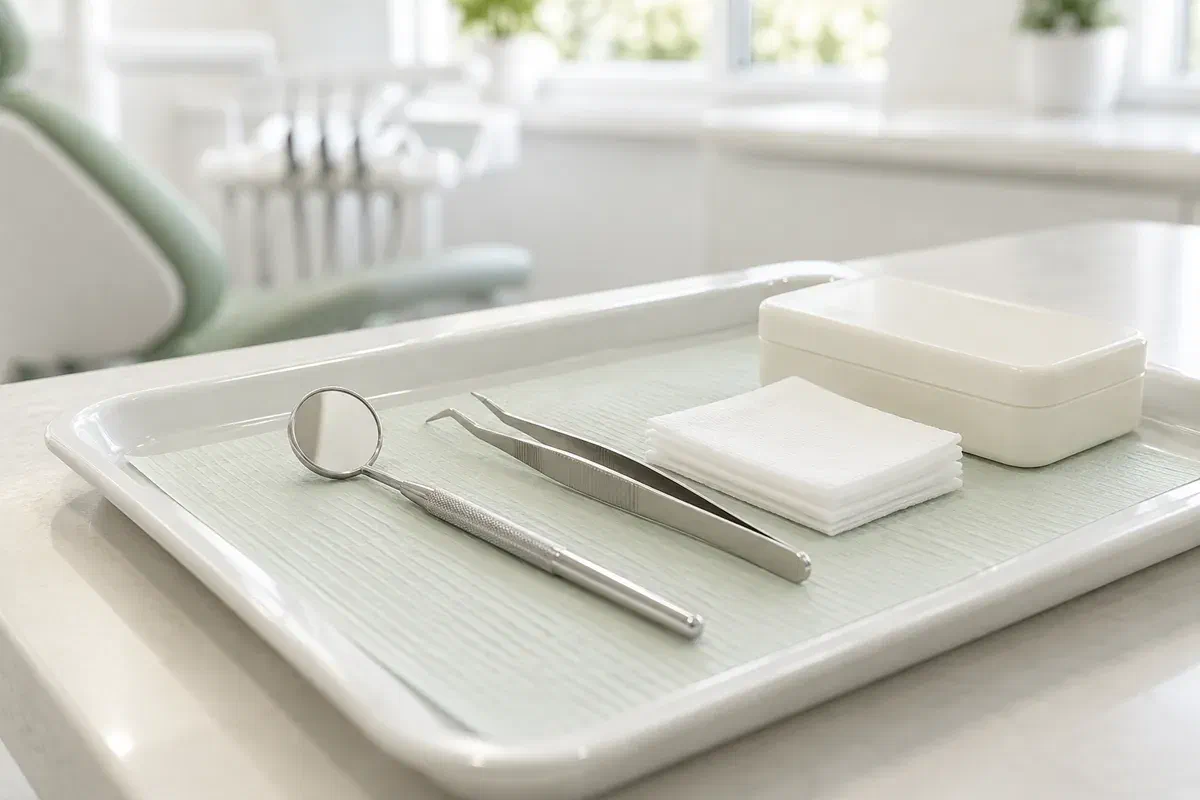
Illustrative prepared dental tray with a mirror, tweezers, and clean gauze
What brings people in

Pain, swelling, or damage: each points somewhere different

The pattern of the problem matters more than its score out of ten. Share when it began, where it is, what it stops you doing, what has visibly changed, and recent treatment on that tooth.

Pain that is taking over

Tell us whether chewing, sleeping, or focusing has become difficult and what has helped, if anything. Notice whether the pain lingers, strikes when you bite, or follows hot or cold. That pattern helps point toward the cause, which medicine alone cannot fix.

Swelling or feeling generally ill

Describe where the swelling began, how it is changing, and whether you have a fever, feel unwell, or have difficulty opening your mouth. These signs influence where you should be seen, so tell us about them before a regular appointment is arranged.

Damage to the tooth or an old repair

Explain whether the tooth has broken, a filling or crown has come out, or an impact has moved it. Save any piece and bring it along. A knocked-out permanent tooth is a race against time and needs emergency dental care immediately.

Difficulty breathing or swallowing, swelling that spreads rapidly, bleeding that will not stop, or a serious face or head injury needs 911 or a hospital emergency department. For these, do not wait on a message or callback.

Deciding with good information

The better you understand the options, the easier the choice.

Start with the reason for the recommendation. What did the examination show, what is the treatment expected to change, and how will its success be judged? An answer grounded in your tooth’s condition is more useful than a promise that applies to every emergency.

Then ask about the long run. What are the prospects if the tooth is kept, and what would keeping it involve? What can a temporary measure safely hold off, and for how long? Would a specialist opinion help? Cost and the number of stages count too, and uncertainty should be acknowledged openly.

Patient information: American Dental Association — medicines as temporary support for acute dental pain · American Dental Association — appropriate antibiotic use for dental pain and swelling

Treatment that fits the diagnosis

A cracked tooth, an inflamed nerve, an abscess, and damaged supporting bone may each lead to a different recommendation. Ask which you have and how it affects the tooth’s chances. Relieving pain without addressing the cause leaves the decision unfinished.

Medicine’s place in the plan

Pain relief can keep you comfortable while you decide and while care is arranged, but it is not treatment. Antibiotics have a role only in certain circumstances. Ask what any prescription will do and what still needs to happen.

Choices weighed against real life

Ask how many visits each option involves, what each may cost, and who would provide it. Mention travel, scheduling, or budget so the comparison is honest. The right choice is one you understand and can see through.

Getting to a decision

How the options are laid out for you

What one visit can cover depends on the diagnosis, its complexity, appointment time, and any referral. You should know those limits, and which decisions can wait, before agreeing to treatment.

  1. Give us the background

    Tell us how the problem began and progressed, what treatment the tooth has had before, and whether there was an injury. Have your medicines, allergies, and health conditions ready, and mention anxiety or communication needs.

  2. Assessment of the tooth’s condition

    The dentist reviews your history, examines the tooth and surrounding tissue, and uses tests or images where indicated. Ask what the findings say about the tooth’s prospects. If a specialist view would help, ask why and what to do in the meantime.

  3. Compare the options and agree on one

    Hear the benefits, limits, alternatives, and fees of each realistic choice, including a temporary step. Agree on a way to pause. Confirm whether the chosen procedure completes treatment, begins it, or holds things until you decide.

  4. Aftercare and the next stage

    Review the work done today and what remains, and ask about eating, cleaning, medicine, and warning signs. Book the follow-up or referral before leaving rather than waiting for the tooth to make the decision for you.

Whichever path you choose

Recovery looks different for each treatment

Care after an extraction differs from care after root canal treatment or a temporary filling. Ask which instructions apply to your procedure and what to watch for.

Care for the area properly

Ask when normal eating and cleaning can resume, and how to chew while healing. If you were numbed, avoid hot drinks and food until sensation returns. After an extraction, follow the specific advice about rinsing and protecting the site.

Use medicine safely

Follow the label and your clinician’s directions, and ask a pharmacist about interactions with other medicines. Do not place aspirin on a tooth or gum. If a medicine causes side effects, contact the prescriber instead of changing it yourself.

Return to finish or review

A kept tooth may need a final restoration; an extraction site may need checking; a temporary step needs replacing. Keep those visits, and call if the timing changes. Comfort alone does not mean the plan is complete.

Patient information: ADA MouthHealthy — avoiding harmful home remedies during dental emergencies

Comparing the paths

Keeping the tooth, removing it, or buying time

Ask why one approach suits your findings better than the others, and what each would mean in a year as well as this week.

When there is enough healthy tooth to work with

Saving the tooth with restorative or endodontic care

A restoration or root canal treatment may be possible, depending on the findings. Ask how much sound structure remains, how many visits it will take, and what final protection it will need, such as a crown. Its prospects should be explained honestly.

When the tooth is unlikely to be kept successfully

Extraction or treatment of surrounding tissue

Removal may be recommended when a tooth cannot reasonably be saved. Ask why, and what healing involves. Options for replacing a removed tooth can be explored later, on their own timeline, rather than assumed in the urgent visit.

When the final choice needs more time or a specialist

A temporary step while you decide

Where it is safe, temporary treatment can protect the tooth while you consider your options or wait for a referral. Ask what it covers, how long it should last, and whom to call if it fails.

Erin questions about saving teeth

Keep, remove, or wait: common questions

Call to describe the problem and hear about options. These answers explain frequent decisions, though the examination decides what is suitable for your tooth.

(905) 876-4488
Do I have to decide between saving and pulling the tooth on the same day?
Not always. If a temporary measure can safely manage the problem, you may have time to think or get a second opinion. Ask whether delaying the final decision carries any risk in your situation.
What does root canal treatment involve?
It removes inflamed or infected tissue from inside the tooth, then cleans and seals the space. It often takes more than one visit, and the tooth usually needs a lasting restoration afterward. Ask how it applies to your tooth.
What can replace a tooth if it has to come out?
Options can include an implant, a bridge, or a denture, and some people choose no replacement. These are best discussed once the urgent problem has settled, with time to compare costs, visits, and suitability.
Can a cracked tooth be saved?
It depends on where the crack runs and how deep it goes. Some cracked teeth can be restored, while others cannot. The dentist will examine and test the tooth and explain what the findings mean.
If I take pain medicine, can I wait to decide?
Medicine may ease symptoms for a while, but the cause continues. Ask the dentist how long a decision can safely wait, and call promptly if swelling, fever, or worsening pain appear.
Can I ask how much each option costs before choosing?
Yes. Ask for estimates for keeping the tooth, removing it, and any temporary step, including later stages such as a crown or replacement. If cost affects your choice, mention it so alternatives can be laid out.
Emergency dental treatment for Erin

Phone first, and the choices can be explained one at a time.

Get in touch with our Bronte Street practice about a painful, swollen, or damaged tooth, or an injury. Tell us about any earlier treatment on it. For households in Erin, we can discuss availability, assessment, and whether a specialist or another provider should be involved.

Online requests are for issues that are not urgent. The treatment chosen, timing, fees, and any referral depend on the examination and your decisions, so they cannot be set in advance.

Visit Milton Dental Clinic
Unit 1, 342 Bronte St. S, Milton, ON L9T 5B7
Get directions Clinic hours
Monday–Thursday
11am–7pm
Friday–Sunday
By appointment only

Areas we serve

  • Milton
  • Oakville
  • Mississauga
  • Georgetown
  • Halton Hills
  • Acton
  • Campbellville
  • Brampton
  • Burlington
  • Puslinch
  • Rockwood
  • Erin
  • Caledon
  • Etobicoke
  • Old Milton
  • Bronte Meadows
  • Timberlea
  • Dorset Park
  • Dempsey
  • Clarke
  • Beaty
  • Coates
  • Harrison
  • Scott
  • Willmott
  • Ford
  • Bowes
  • Cobden
  • Walker
  • Mountain View
  • Milton Heights
  • Hawthorne Village
  • Valley View
  • Fallingbrook
  • Nassagaweya
  • Trafalgar
  • Esquesing
  • Nelson
  • Brookville
  • Moffat
  • Glen Williams
  • Norval
  • Limehouse
  • Stewarttown
  • Ashgrove
  • Hornby
  • Silver Creek
  • Speyside
  • Scotch Block
  • North Oakville
  • River Oaks
  • Glen Abbey
  • West Oak Trails
  • Palermo
  • Bronte Creek
  • College Park
  • Joshua Creek
  • Uptown Core
  • Preserve
  • Iroquois Ridge
  • Lisgar
  • Meadowvale
  • Meadowvale Village
  • Churchill Meadows
  • Erin Mills
  • Central Erin Mills
  • Streetsville
  • East Credit
  • Creditview
  • Heartland
  • Sheridan
  • Mount Pleasant
  • Credit Valley
  • Huttonville
  • Churchville
  • Springbrook
  • Northwest Brampton
  • Bram West
  • Fletcher's Meadow
  • Fletcher's Creek South
  • Alton Village
  • Orchard
  • Millcroft
  • Headon Forest
  • Tansley
  • Brant Hills
  • Tyandaga
  • Kilbride
  • Lowville
  • Aberfoyle
  • Morriston
  • Arkell
  • Hillsburgh
  • Freelton
  • Carlisle
  • Waterdown
  • Flamborough
  • Mountsberg

How can we help?

Milton Dental Clinic

Have a question about your smile? Choose the option that works best for you.

For urgent dental concerns, please call.
Messages are reviewed during clinic hours.