

Illustrative patient discussing urgent treatment choices with a dental clinician
Specialized Care

Emergency Tooth Extractions in Campbellville

On a rural property, recovery happens a fair way from the clinic, so preparing well counts. For households in Campbellville, we confirm whether the tooth needs removing, then make sure you head home with a plan that works there.

Thinking ahead to recovery at home

Prepare the kitchen and the calendar, not just yourself

In a country household, the day after a tooth comes out may still involve chores, animals, or a long list of errands. So the planning starts before treatment: soft food in the fridge, gauze within reach, and someone to help if needed. First, though, comes the bigger question of whether the tooth should come out at all, which depends on its condition, its support, whether it can be restored, and what is causing the pain.

Removal is suitable emergency care when the examination supports it. A dentist should explain why it is being recommended and whether a sensible option for keeping the tooth exists. If extraction is agreed, its likely difficulty, your health, and the right setting are considered, and some teeth are better removed after a surgical referral.

Calling from Campbellville, let us know how the tooth has been behaving and whether you'll be managing on your own afterwards. Mention earlier advice and bring records. An urgent booking secures an assessment; the tooth won't automatically be removed during that visit.

Plan your urgent visit with us
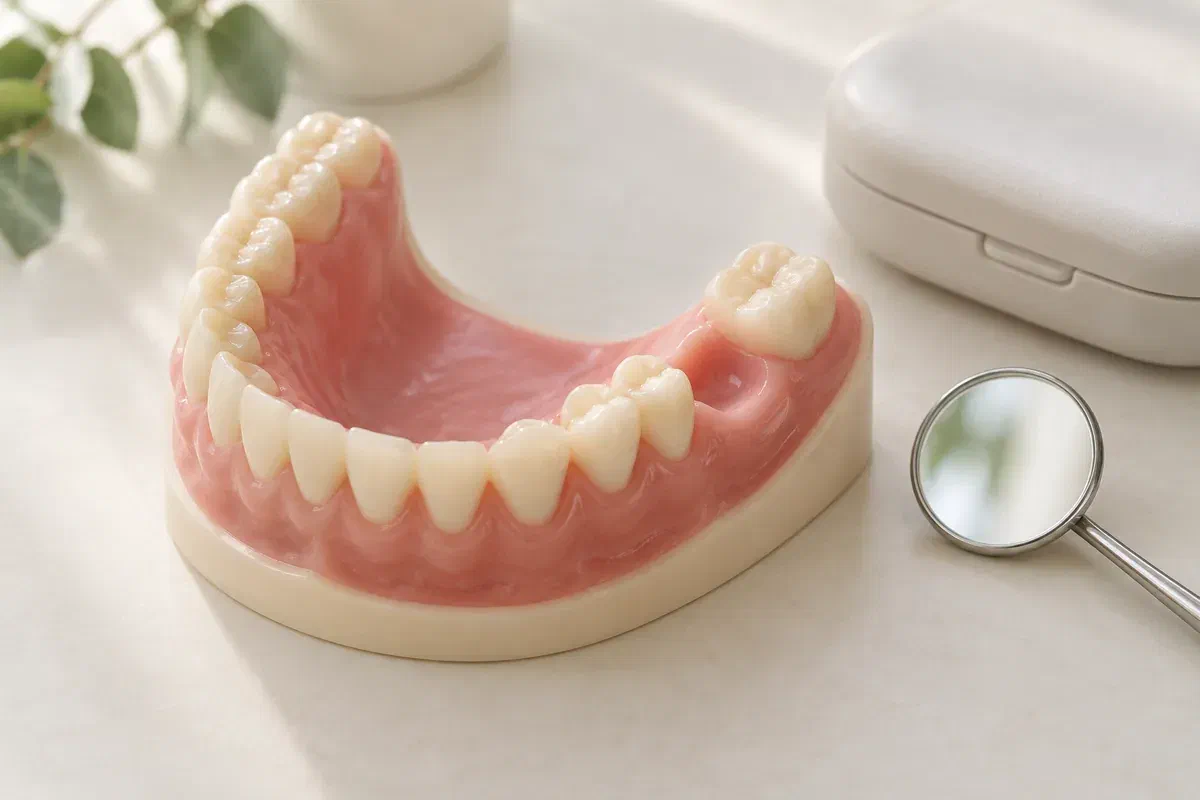
Illustrative dental arch model with a missing back tooth beside a dental mirror
Details that help us prepare

Tell us about the tooth, your health, and your situation at home

Good planning considers how you'll recover as well as what the tooth needs. Share the timeline, the tooth's history, your medicines, and anything that has made past dental treatment difficult.

A damaged or failing tooth

Describe breaks, worn-out fillings, or warnings about the tooth's future. That background shapes the discussion. The current examination still decides whether keeping the tooth is realistic, based on what is actually there today.

Ache, swelling, or feeling poorly

Tell us whether symptoms are getting worse, spreading, or making you feel unwell. Infection should be checked promptly, though it doesn't by itself choose between extraction and other treatment. Let us know about any medicine you've already been given.

Medicines and bleeding history

Have your prescriptions and allergies listed, and flag a blood thinner or any past bleeding problem. That matters more when you'll be recovering some distance from help. Continue prescribed medicine as usual; we'll advise and coordinate with your prescriber where needed.

Rapidly spreading swelling, any difficulty breathing or swallowing, or bleeding that can't be controlled is a medical emergency. Call 911 rather than driving yourself or waiting for a dental appointment.

What you take home from the consultation

A reasoned decision and instructions you can actually use

When a tooth cannot reasonably be kept, removing it may resolve the problem the dentist has diagnosed. Ask what is expected to improve and what other treatment could still be needed. The case for extraction should be about this tooth, never just the way urgent visits tend to go.

Recovery planning is part of a good consultation. Talk through the risks for your situation, comfort, fees, and any referral. If you may want to replace the tooth later, ask how removal affects that, but you won't need to decide on a replacement right now.

Patient information: Royal Cornwall Hospitals — dental extraction risks and recovery

A look at the alternatives

Ask whether a filling, crown, root canal treatment, or another approach would be a sound choice for this tooth and why it is or isn't advised. The answer should include the tooth's outlook and the visits involved. You should leave clear on why the permanent route was chosen.

The risks for your particular tooth

Bleeding, healing setbacks, and position-related issues such as nerves or the sinus differ between teeth. Ask which apply to you and whether they change who should treat you. Knowing in advance helps you prepare at home.

A recovery plan fitted to rural life

Ask about food, cleaning, heavy work, and exactly when to call. Mention it if you live alone or have duties that can't wait. Advice tailored to your procedure and anaesthetic is more useful than a promise you'll be fine tomorrow.

The visit, start to finish

Four steps, then the trip home

Depending on the tooth and your health, this appointment may be for assessment, removal, or setting up a referral. Ask which when you book so you can arrange the day.

  1. Work out what the tooth needs

    Your symptoms are discussed, the tooth is examined, and X-rays and health information are reviewed where needed. You'll hear the alternatives and what delay could mean. Confirm the tooth in question before going further.

  2. Settle consent, fees, and comfort

    If removal is chosen, consent, fees, anaesthetic, and the right setting are covered. The area is usually numbed with local anaesthetic. Mention any earlier numbing difficulty or nerves, and agree on a hand signal to stop.

  3. Take the tooth out

    The method depends on the tooth and its position, and some removals call for surgical steps or stitches. Ask ahead what is likely and what would happen if the extraction proved more difficult, including possible referral.

  4. Go home prepared

    The socket is checked, and you receive instructions on bleeding and healing to take with you. Confirm any review or stitch removal, and whether it can fit with another trip into town. Keep our number handy.

The first days in Campbellville

Rest, protect the socket, and keep an eye on progress

Aftercare depends on how the tooth was removed, whether stitches were placed, and your health. Bring the written instructions home and ask about anything that differs from previous extraction advice.

Control bleeding and leave the area alone

Use the pressure method you were shown, and keep fingers and tongue away from the socket. Rinse and brush near it only after the time you were given. If bleeding hasn't settled as expected, call the treating provider for advice instead of checking over and over.

Soft meals, sensible activity, and medicine

Follow guidance about numbness, food, smoking, and exertion, and put off heavy lifting or outdoor work if advised. Take medicine only as instructed, and check it's suitable with your other prescriptions. Regular medicines shouldn't change without professional advice.

Know the signs that need a call

Phone about rising pain, swelling that appears or grows, continued bleeding, fever, or numbness that lingers. Give the date of removal and describe the change. A recovery going in the wrong direction should be checked, not ignored.

Patient information: Guy's and St Thomas' — caring for the mouth after dental surgery

Your choices

What could happen to the tooth

Ask what each option is designed to achieve and its limits. The choice depends on the diagnosis, how much tooth is left, its support, and what you prefer once you understand everything.

When it can be properly restored

Saving the tooth

Root canal treatment or a repair may be considered if the tooth can be rebuilt well. Ask about the whole sequence and the number of visits. The tooth should be judged on its prospects rather than written off because it hurts.

When extraction is agreed

Removing it, with aftercare in place

Before you agree, make sure you understand how the tooth will be taken out, which risks apply, and how long healing usually takes. Find out whether a simple or a surgical removal is expected. The written plan should mention any review and whether replacing the tooth is worth discussing once you have healed.

When the tooth or your health needs it

Referral to a specialist

Some teeth or medical situations call for a specialist or hospital setting. Ask what will be passed on, how booking works, and what to do if symptoms get worse in the meantime.

Getting ready at home

Practical questions for rural households

These general answers can help you prepare. Only the examination can confirm whether removal is suitable and where it should be done.

(905) 876-4488
What should I have ready at home before the extraction?
Soft foods, a few clean gauze pads if you were given them, any pain relief you’ve been advised to use, and an extra pillow. Arrange help with demanding chores for the first day if you can.
Can I book other dental needs for the same trip?
Sometimes, if it is clinically sensible. Ask when you call whether anything else can be checked at that visit or grouped with your follow-up. The urgent tooth always takes priority.
How should I sleep the first night?
Keeping your head a little raised on an extra pillow is often suggested. Follow any specific advice you’re given, and call if bleeding restarts and doesn’t settle with the method you were shown.
Is it all right to use a straw afterwards?
Many clinicians advise avoiding straws for a short time, as suction may disturb the healing clot. Ask how long that applies to your extraction, and sip from a cup instead.
Will I need stitches, and will they dissolve?
Not every extraction needs stitches. If they’re placed, ask whether they dissolve on their own or need removing, and whether that means another trip. Leave them alone in the meantime, and call if one comes loose early and bleeding starts again.
Does an urgent appointment mean the tooth will definitely come out?
No. It means the tooth will be assessed. The dentist explains the findings and options, and removal happens only if it is suitable and you agree to it.
Campbellville urgent extraction visits

Call before you head in.

Ring our Bronte Street practice, tell us about the tooth, and ask what availability we have. We can explain the assessment, why removal might be considered, and whether a referral could be involved. If immediate care is needed and we can't be reached, contact any emergency provider who is available.

Online requests aren't checked as emergencies. Suitability for removal, setting, anaesthetic, timing, cost, and recovery depend on examination. We can't promise the tooth will come out the same day.

Visit Milton Dental Clinic
Unit 1, 342 Bronte St. S, Milton, ON L9T 5B7
Get directions Clinic hours
Monday–Thursday
11am–7pm
Friday–Sunday
By appointment only

Areas we serve

  • Milton
  • Oakville
  • Mississauga
  • Georgetown
  • Halton Hills
  • Acton
  • Campbellville
  • Brampton
  • Burlington
  • Puslinch
  • Rockwood
  • Erin
  • Caledon
  • Etobicoke
  • Old Milton
  • Bronte Meadows
  • Timberlea
  • Dorset Park
  • Dempsey
  • Clarke
  • Beaty
  • Coates
  • Harrison
  • Scott
  • Willmott
  • Ford
  • Bowes
  • Cobden
  • Walker
  • Mountain View
  • Milton Heights
  • Hawthorne Village
  • Valley View
  • Fallingbrook
  • Nassagaweya
  • Trafalgar
  • Esquesing
  • Nelson
  • Brookville
  • Moffat
  • Glen Williams
  • Norval
  • Limehouse
  • Stewarttown
  • Ashgrove
  • Hornby
  • Silver Creek
  • Speyside
  • Scotch Block
  • North Oakville
  • River Oaks
  • Glen Abbey
  • West Oak Trails
  • Palermo
  • Bronte Creek
  • College Park
  • Joshua Creek
  • Uptown Core
  • Preserve
  • Iroquois Ridge
  • Lisgar
  • Meadowvale
  • Meadowvale Village
  • Churchill Meadows
  • Erin Mills
  • Central Erin Mills
  • Streetsville
  • East Credit
  • Creditview
  • Heartland
  • Sheridan
  • Mount Pleasant
  • Credit Valley
  • Huttonville
  • Churchville
  • Springbrook
  • Northwest Brampton
  • Bram West
  • Fletcher's Meadow
  • Fletcher's Creek South
  • Alton Village
  • Orchard
  • Millcroft
  • Headon Forest
  • Tansley
  • Brant Hills
  • Tyandaga
  • Kilbride
  • Lowville
  • Aberfoyle
  • Morriston
  • Arkell
  • Hillsburgh
  • Freelton
  • Carlisle
  • Waterdown
  • Flamborough
  • Mountsberg

How can we help?

Milton Dental Clinic

Have a question about your smile? Choose the option that works best for you.

For urgent dental concerns, please call.
Messages are reviewed during clinic hours.