

Illustrative patient discussing urgent treatment choices with a dental clinician
Specialized Care

Emergency Tooth Extractions in Puslinch

Blood thinners, diabetes, a heart condition, or a long list of prescriptions can all affect how a tooth is removed. For people in Puslinch with health needs to consider, we assess the tooth, review your medicines, and plan safely.

When your health is part of the plan

Your medicine list matters as much as the tooth

For someone with a medical condition, a sore tooth brings an extra layer of worry. Will my blood thinner be a problem? Should I skip my morning pills? The answer to the second is almost always no, not without advice. And before any of that, the dentist needs to decide whether removal is right, based on the tooth's condition, its support, whether it can be restored, and what is causing your symptoms.

An emergency extraction is appropriate when the examination supports it as urgent care. You should hear why it is recommended and whether a sensible alternative exists for keeping the tooth. If removal goes ahead, the dentist weighs its likely difficulty alongside your medical history, and some situations are better managed through a surgical or hospital-based referral.

When you call from Puslinch, have your medication list beside the phone, including doses and timing. Mention your doctor's name, any earlier dental advice, and bring records. An urgent booking secures an assessment and does not mean the tooth will be removed at that visit.

Discuss your health and the tooth
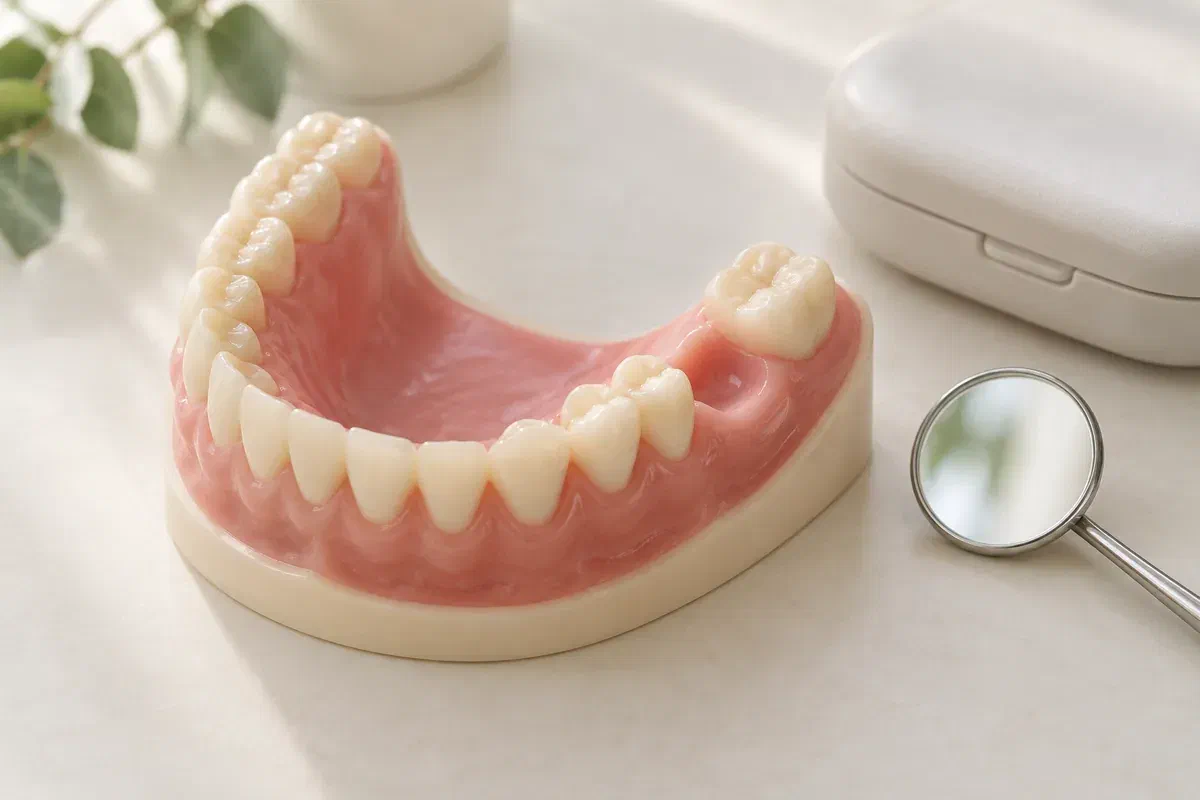
Illustrative dental arch model with a missing back tooth beside a dental mirror
Health details we need

Conditions, prescriptions, and past reactions

Safe planning depends on a full picture. Along with the tooth's history and symptoms, tell us about your medical conditions, every medicine and supplement you take, allergies, and any problems during earlier dental care.

The tooth's condition and history

Explain any break, repeated repairs, or previous advice about the tooth. That history is a guide, but the current examination shows whether keeping it is still reasonable. Health factors may also affect which option is safest.

Pain, swelling, or possible infection

Describe how symptoms have developed and whether you feel unwell. Some conditions, such as diabetes or a weakened immune system, make it especially important to report signs of infection early. Infection alone still doesn't determine whether the tooth is removed.

Blood thinners and other key medicines

Name every blood-thinning medicine, plus treatments for heart, bone, or immune conditions, and anything that has caused heavy bleeding before. Never stop or change prescribed medicine yourself to prepare. The dental team will advise you and coordinate with your prescriber when needed.

Heavy bleeding that won't stop, rapidly spreading swelling, or difficulty breathing or swallowing requires emergency medical help. Call 911 or get to a hospital emergency department without delay.

A safer, better-informed decision

Your health shapes the plan from the start

Removal may resolve the diagnosed problem when a tooth can't reasonably be kept. Ask what should improve and whether other treatment is still needed. The reasoning should relate to your tooth and your health, rather than treating extraction as the standard answer to any urgent visit.

With medical factors involved, it pays to understand the procedure and recovery in detail. Discuss bleeding precautions, comfort, fees, and whether a different setting would be wiser. If a replacement might be considered later, ask how removal affects that, without needing to choose one today.

Patient information: Royal Cornwall Hospitals — dental extraction risks and recovery

Alternatives weighed against your health

Ask whether root canal treatment, a restoration, or another approach is a reasonable option for this tooth, and why or why not. Your medical history may tip the balance either way. The explanation should help you understand why a permanent step is taken.

Risks specific to you

Bleeding, healing, and position-related concerns like nerves or the sinus vary, and some conditions or medicines add to them. Ask which apply and whether they make a referral the safer choice. The answer is personal, not general.

Recovery planned around your medicines

Ask about food, cleaning, activity, which pain relief suits your other prescriptions, and when to call. Mention if you live alone or care for others. Advice that accounts for your health and anaesthetic is the most useful kind.

Step by careful step

How an extraction is planned around a medical history

With health factors to consider, assessment and removal may happen on different days, or a referral may be advised. Ask what this appointment is booked for.

  1. Review the tooth and your health together

    The dentist discusses your symptoms, examines the tooth, and considers X-rays and your medical information. Alternatives and the effect of delay are covered. Any needed contact with your doctor or pharmacist is arranged at this point.

  2. Agree on consent, comfort, and setting

    Consent, fees, anaesthetic choice, and whether a hospital-based setting is safer are reviewed. Local anaesthetic is usually used. Mention past numbing trouble or anxiety, and agree on a signal for a break.

  3. Remove the tooth with precautions in place

    The technique suits the tooth and its position, and some removals need surgical steps or stitches to help control bleeding. Ask beforehand what to expect and what would happen if the procedure became more complex, including referral.

  4. Check bleeding before you go

    The site is examined and you're given instructions for bleeding control and recovery that take your health into account. Confirm any review, stitch removal, or referral, and how to reach us if a concern appears.

Healing at home in Puslinch

Follow the plan, especially around bleeding and medicines

Aftercare depends on the procedure, any stitches, and your health conditions. Keep written instructions nearby and ask about any differences from advice after a past extraction or from your doctor.

Steady pressure, then patience

Apply pressure the way you were shown and leave the socket undisturbed. Hold off on rinsing and brushing near it until the time given. If bleeding continues beyond what you were told to expect, call the treating provider promptly rather than repeatedly checking.

Medicines, meals, and activity

Follow advice on numbness, soft foods, smoking, and exertion. Take only the pain relief you were advised to use, since some products interact with blood thinners or other prescriptions. Carry on with your regular medicines unless a professional says otherwise.

Report a worsening recovery early

Call about pain that builds, swelling that is new or larger, continued bleeding, fever, or changed sensation, and give the extraction date. With some health conditions, early review matters even more, so don't wait to see whether a worrying change sorts itself out.

Patient information: Guy's and St Thomas' — caring for the mouth after dental surgery

Options, with your health in mind

Retain, remove, or refer to a team with more support

Ask what each choice aims to achieve and where its limits are. The decision should reflect the diagnosis, remaining tooth, support, your medical needs, and your informed preferences.

When it can be restored and that suits your health

Care to keep the tooth

Where enough sound tooth remains, root canal treatment or a repair could be an option worth discussing. Ask about the sequence and outlook. Sometimes keeping a tooth avoids an extraction that would be riskier for you; sometimes the reverse is true.

When removal is agreed

Extraction with precautions

Understand the procedure, the risks that apply, and healing before consenting. Find out whether surgical steps are expected and what bleeding measures will be used. The plan should include any review and future replacement thoughts.

When medical needs or complexity require it

Hospital or specialist setting

Certain conditions, medicines, or difficult teeth are best managed with extra support. Ask what will be shared with the receiving team, how the appointment is booked, and what to do if symptoms worsen while you wait.

Medical questions from Puslinch

Health conditions and tooth removal

These general answers can help you prepare. Your examination and medical history determine whether removal is appropriate and where it should happen.

(905) 876-4488
Can I take my usual morning medicines on the day?
In most cases, yes. Take them as normal unless the dental team or your prescriber has given you different instructions. Bring your list so the team knows exactly what you took and when.
I'm on a blood thinner. Does that rule out an extraction?
Not usually, but it does need planning. The team may check recent test results or speak with your prescriber, and bleeding control measures are used. Don’t stop the medicine yourself; that carries its own risks.
Does having diabetes change how an extraction is handled?
It can affect timing, meals around the appointment, and how closely healing is watched. Tell the team about your diabetes and how it is managed, and follow your usual routine unless advised otherwise.
Do medicines for osteoporosis matter?
Some bone-strengthening medicines are relevant to extractions, so mention them, including past use or injections. The dentist will factor them into planning. Don’t stop them without your prescriber’s advice.
Which pain relief is safe for me afterwards?
It depends on your other medicines and conditions. Some common pain relievers aren’t suitable alongside blood thinners or certain health problems. Ask the dentist or pharmacist before taking anything.
Will you need to contact my doctor?
Sometimes. If your medicines or condition affect the plan, the team may ask to speak with your doctor or specialist before treatment, which can occasionally mean removal is scheduled for a later visit. Bring their contact details and any recent test results to make that easier.
Puslinch emergency extraction planning

Bring your medication list and call us

Phone our Bronte Street practice to explain the tooth and your health, and ask about current availability. We can discuss the assessment, why removal may be considered, and whether a referral is likely. If you need immediate care and we can't be reached, go to an emergency provider who can see you.

Online requests are non-urgent. Suitability for removal, the setting, anaesthetic, timing, fees, and recovery depend on assessment and your medical history. Same-day extraction can't be guaranteed.

Visit Milton Dental Clinic
Unit 1, 342 Bronte St. S, Milton, ON L9T 5B7
Get directions Clinic hours
Monday–Thursday
11am–7pm
Friday–Sunday
By appointment only

Areas we serve

  • Milton
  • Oakville
  • Mississauga
  • Georgetown
  • Halton Hills
  • Acton
  • Campbellville
  • Brampton
  • Burlington
  • Puslinch
  • Rockwood
  • Erin
  • Caledon
  • Etobicoke
  • Old Milton
  • Bronte Meadows
  • Timberlea
  • Dorset Park
  • Dempsey
  • Clarke
  • Beaty
  • Coates
  • Harrison
  • Scott
  • Willmott
  • Ford
  • Bowes
  • Cobden
  • Walker
  • Mountain View
  • Milton Heights
  • Hawthorne Village
  • Valley View
  • Fallingbrook
  • Nassagaweya
  • Trafalgar
  • Esquesing
  • Nelson
  • Brookville
  • Moffat
  • Glen Williams
  • Norval
  • Limehouse
  • Stewarttown
  • Ashgrove
  • Hornby
  • Silver Creek
  • Speyside
  • Scotch Block
  • North Oakville
  • River Oaks
  • Glen Abbey
  • West Oak Trails
  • Palermo
  • Bronte Creek
  • College Park
  • Joshua Creek
  • Uptown Core
  • Preserve
  • Iroquois Ridge
  • Lisgar
  • Meadowvale
  • Meadowvale Village
  • Churchill Meadows
  • Erin Mills
  • Central Erin Mills
  • Streetsville
  • East Credit
  • Creditview
  • Heartland
  • Sheridan
  • Mount Pleasant
  • Credit Valley
  • Huttonville
  • Churchville
  • Springbrook
  • Northwest Brampton
  • Bram West
  • Fletcher's Meadow
  • Fletcher's Creek South
  • Alton Village
  • Orchard
  • Millcroft
  • Headon Forest
  • Tansley
  • Brant Hills
  • Tyandaga
  • Kilbride
  • Lowville
  • Aberfoyle
  • Morriston
  • Arkell
  • Hillsburgh
  • Freelton
  • Carlisle
  • Waterdown
  • Flamborough
  • Mountsberg

How can we help?

Milton Dental Clinic

Have a question about your smile? Choose the option that works best for you.

For urgent dental concerns, please call.
Messages are reviewed during clinic hours.