

Illustrative older adult speaking directly with a clinician in a calm consultation setting
Specialized Care

Gentle Dentistry for Anxious Seniors in Acton

A sore back, stiff neck or shaky balance can make the dental chair itself a source of dread. For older adults in Acton, a gentle visit can be planned around physical comfort as well as nerves, with positioning, pauses and explanations discussed before you sit down.

Physical comfort and dental nerves in Acton

Sometimes it is the chair, not the drill.

Nobody talks much about this kind of dental anxiety. It is not about needles or noise; it is the worry of being tipped back when your neck does not bend the way it used to, of needing to cough while lying flat, or of struggling to sit up again with people watching.

Physical worries and emotional ones feed each other. If your body feels unsafe, it is hard for your mind to relax. So a gentler appointment starts with honest information: which positions you can manage, what has caused trouble before, and what helps you feel steady.

When you get in touch from Acton, we can talk through the reason for your visit, your medical history, the mobility aids you use and how you like things explained. Positioning and timing are discussed with you in advance, and anything that cannot be arranged is said plainly.

Discuss comfort and positioning before you visit
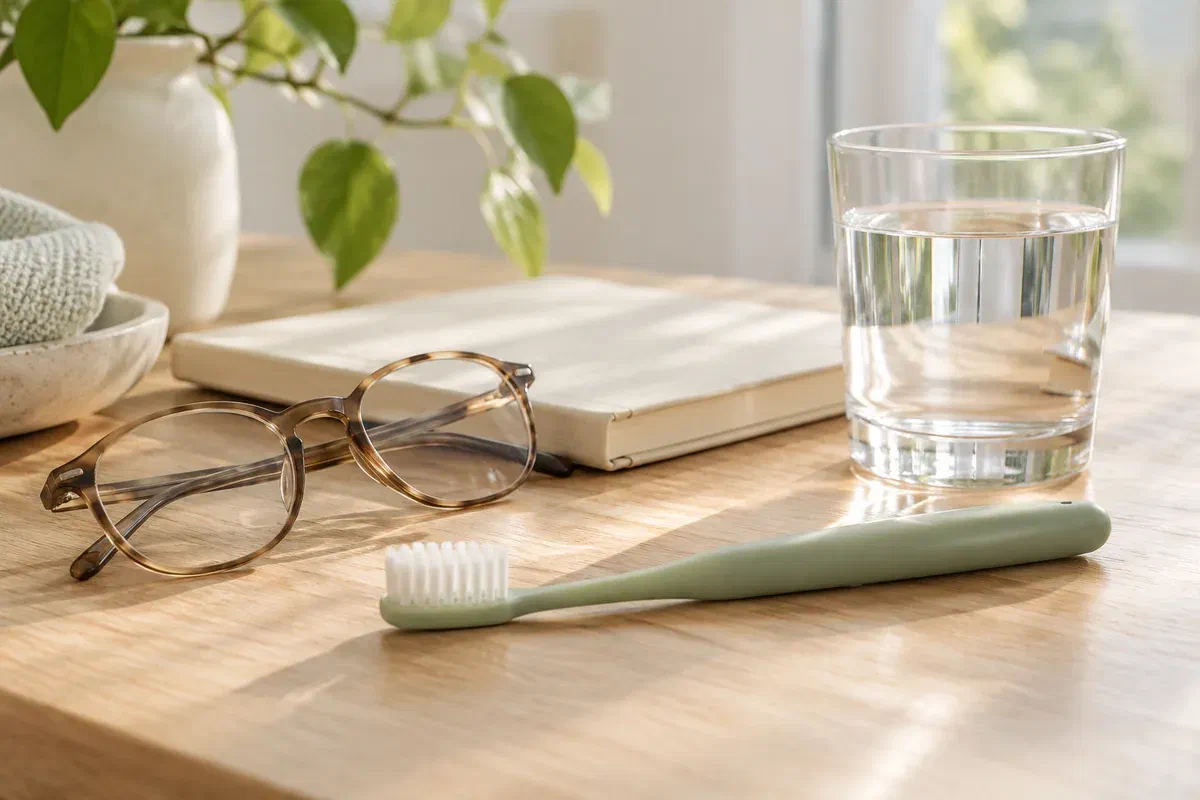
Illustrative reading glasses, a notebook, water, and a toothbrush with a wider handle
Details that help us prepare

Tell us how your body feels in the chair.

There is nothing to apologize for. Specific information about comfort and anxiety lets the team think through the conversation and confirm arrangements ahead of time.

A visit where you could not get comfortable

Maybe a past appointment left you aching, or you were too embarrassed to say you needed to sit up. Describe what went wrong and what you would prefer. You can keep it brief and ask how the clinician plans to check on you throughout.

Back, neck, breathing and balance

Explain if reclining, staying still, turning your head, hearing over equipment or reading forms is hard. Mention canes, walkers or wheelchairs. We will confirm what access and appointment arrangements are possible, without promising a chair setting or device that may not suit you.

Health issues that affect a long sitting

Arthritis, breathing conditions, new medicines, a dry mouth or a denture problem can all shape the plan. Bring the medicine list and note recent changes. If you have several concerns, choose the one you most want resolved first.

A companion can help you prepare and steady you getting in and out of the chair, if you want that. You decide their role. Being older does not mean someone else should speak or make choices for you.

Why talking first pays off

Comfort planned in, not improvised

Being well informed does not mean taking in every technical point at once. Ask for each finding in plain terms, at an easy pace, and check what you heard before moving on. Written priorities are especially useful if discomfort makes it hard to concentrate during the visit.

A plan also distinguishes urgent problems from those that can wait. Ask what needs attention soon, what you could weigh up later and what follow-up would ask of you physically. Shorter, staged visits may suit some people, but the order of care must still follow what your mouth needs.

Patient information: NHS — discussing anxiety and requesting a pause during dental visits

A signal to sit up or rest

Agree on a gesture that means stop, and another that means you need to change position, if useful. Check with the clinician what happens when you signal and when pausing is safe. Settling this ahead of time removes a lot of worry.

Physical realities in the plan

How long you can sit, how you travel, support at home and whether you can manage several appointments all matter. Bring them up early. Ask how long a treatment would take in the chair and what recovery involves before you choose.

A candid chat about anxiety help

For some people, comfortable positioning and clear explanation solve most of the problem. Others need more support for long-standing fear. Ask which approaches are suitable and offered and whether referral makes sense. No sedation, medicine or setting is promised without an individual assessment.

Getting ready for the appointment

What happens before, during and after the exam

A first assessment looks at your teeth and gums and at what makes care physically or emotionally hard. Ask what is planned so you can prepare your body as well as your questions.

  1. Describe positioning needs when you book

    Say that you feel anxious and explain which positions are difficult or unsafe for you. Report any pain or swelling immediately. Ask what can be accommodated and whether the visit is for assessment, treatment or both.

  2. Bring your medical information

    Have a list of medicines and allergies, any relevant advice from your doctor about lying back, and contact details for your physician. Describe earlier reactions to treatment. Decide whether a companion will join you and how consent, explanations and breaks will work.

  3. Settle in, then examine

    Take a moment to get comfortable before anything starts, and say if the position is not right. The clinician explains the examination and whether imaging may be useful. If several problems are found, ask which matter most right now.

  4. Finish with a plan you can manage

    Go over the options, how long each would keep you in the chair, the number of visits and the fees. Ask for the main points written down if helpful. Confirm who to call with later questions or if symptoms change.

Comfortable care at home

Routines that respect stiff hands and tired joints

Home advice should suit your teeth, gums, restorations, dentures and physical abilities. If a technique is uncomfortable to perform, say so and ask to see an alternative.

Do not dismiss a dry mouth

Persistent dryness is not an unavoidable part of ageing. Medicines and health conditions can contribute, so report dryness that continues or makes eating or speaking harder. Ask for an assessment and advice, and only change a prescribed medicine with your prescriber’s guidance.

Ask for aids that suit sore joints

If arthritis or weakness makes brushing or cleaning between teeth painful, describe the difficulty precisely. A chunkier handle or a different interdental aid could help. Ask to be shown how it fits around your dental work before buying several products.

Share what worked physically

Tell us which positions and breaks helped and what still felt uncomfortable, so the next visit can build on it. Keep the agreed plan somewhere easy to find. If a helper is involved, decide together how much they hear and how you keep the final say.

Patient information: NIDCR — older adults, medicines, and oral dryness

Options to talk over

Support shaped by how you feel, not how old you are

Discuss the dental problem and the barriers to care in one conversation. Your plan might combine changes to how the appointment runs, a suitable treatment order and additional anxiety help where it is needed.

When physical ease and predictability come first

A comfortable, well-explained visit with set breaks

Describe the position and pace that suit you. Ask for each stage to be explained before it begins and agree when you will rest. Check what the team can genuinely arrange so the plan holds up on the day.

When long appointments are hard to manage

Shorter sessions planned around your health

Consider your health, how long you can stay in one position and the dental work that is needed. Ask whether treatment could be broken into shorter visits and what a delay to any part would mean. The aim is a sequence your body can manage that still deals with what matters.

When comfort measures are not enough

More support or referral for intense fear

Deep fear may need more than good positioning and patience. Ask about counselling, specialised anxiety support and anything that affects where treatment could take place. Each has to be checked for suitability, availability, cost and medical needs; requesting a gentle visit does not mean sedation.

Questions about comfort in the chair

What to ask about sitting, lying back and resting

These may help you think through what to raise before you book. Your health and preferences matter far more than a general label such as senior patient.

(905) 876-4488
Can I sit more upright during a dental exam because of my neck or back?
Mention it when booking and explain which positions you can tolerate. The clinician can tell you what is possible for the examination you need. Some work requires a certain angle, so it helps to discuss options beforehand rather than on the day.
What if I need to cough or clear my throat while lying back?
Use the agreed signal and the clinician will stop and help you sit up when it is safe. Tell the team in advance if this happens often, especially if you have a breathing condition, so they can plan for more frequent breaks.
Is it safe to bring my walker right into the treatment room?
Ask when booking. The team can tell you whether the walker can stay near you during the visit. Mention any help you need getting into and out of the chair so it can be discussed in advance.
How long will I have to keep my mouth open during an exam?
It varies with what is being checked. Ask the clinician to tell you roughly how long each part will take and to build in short rests. If your jaw tires easily, mention it beforehand.
My wife usually helps me move around. Can she stay while the dentist talks to me?
Yes, if you would like that. Let the team know when you book. She can help with mobility and notes while the clinician addresses you directly and leaves the decisions to you.
Does gentle care for seniors come with a sedative?
No. It is a way of pacing, explaining and adapting the visit, not a sedation technique. If anxiety remains severe, ask which kinds of support might suit your health, whether they are available here and whether referral would be appropriate.
Planning a comfortable visit from Acton

Tell us what your body needs. Then we can talk teeth.

Get in touch with our Bronte Street practice to describe the dental problem and the support that would help. Mention mobility, positioning or communication needs so arrangements can be confirmed with you before the appointment.

Positioning, scheduling, treatment options, additional anxiety support and referral depend on individual needs and on confirmed availability.

Visit Milton Dental Clinic
Unit 1, 342 Bronte St. S, Milton, ON L9T 5B7
Get directions Clinic hours
Monday–Thursday
11am–7pm
Friday–Sunday
By appointment only

Areas we serve

  • Milton
  • Oakville
  • Mississauga
  • Georgetown
  • Halton Hills
  • Acton
  • Campbellville
  • Brampton
  • Burlington
  • Puslinch
  • Rockwood
  • Erin
  • Caledon
  • Etobicoke
  • Old Milton
  • Bronte Meadows
  • Timberlea
  • Dorset Park
  • Dempsey
  • Clarke
  • Beaty
  • Coates
  • Harrison
  • Scott
  • Willmott
  • Ford
  • Bowes
  • Cobden
  • Walker
  • Mountain View
  • Milton Heights
  • Hawthorne Village
  • Valley View
  • Fallingbrook
  • Nassagaweya
  • Trafalgar
  • Esquesing
  • Nelson
  • Brookville
  • Moffat
  • Glen Williams
  • Norval
  • Limehouse
  • Stewarttown
  • Ashgrove
  • Hornby
  • Silver Creek
  • Speyside
  • Scotch Block
  • North Oakville
  • River Oaks
  • Glen Abbey
  • West Oak Trails
  • Palermo
  • Bronte Creek
  • College Park
  • Joshua Creek
  • Uptown Core
  • Preserve
  • Iroquois Ridge
  • Lisgar
  • Meadowvale
  • Meadowvale Village
  • Churchill Meadows
  • Erin Mills
  • Central Erin Mills
  • Streetsville
  • East Credit
  • Creditview
  • Heartland
  • Sheridan
  • Mount Pleasant
  • Credit Valley
  • Huttonville
  • Churchville
  • Springbrook
  • Northwest Brampton
  • Bram West
  • Fletcher's Meadow
  • Fletcher's Creek South
  • Alton Village
  • Orchard
  • Millcroft
  • Headon Forest
  • Tansley
  • Brant Hills
  • Tyandaga
  • Kilbride
  • Lowville
  • Aberfoyle
  • Morriston
  • Arkell
  • Hillsburgh
  • Freelton
  • Carlisle
  • Waterdown
  • Flamborough
  • Mountsberg

How can we help?

Milton Dental Clinic

Have a question about your smile? Choose the option that works best for you.

For urgent dental concerns, please call.
Messages are reviewed during clinic hours.