

Illustrative older adult speaking directly with a clinician in a calm consultation setting
Specialized Care

Gentle Dentistry for Anxious Seniors in Caledon

By the time you are home, half of what the dentist said has blurred, and that uncertainty can make the next visit feel even harder. For older adults in Caledon, a gentle appointment can include written notes, repeated explanations and a plan you can actually hold on to.

Remembering the plan: gentle dentistry from Caledon

Leave with the plan in your hand, not just in your head.

Anxiety and memory do not get along. When you are tense, you hear the first worrying word and miss the next three sentences. Back at the kitchen table, you try to explain the plan to your spouse and realise you are not sure whether the tooth needs a filling, a crown or simply watching.

That is not a failing. It is what nerves do to most people, and it is easy to plan for. Ask in advance for key points to be written down, for complicated parts to be repeated and for a moment at the end to read the notes back. Tell us what made previous visits stressful and how you like information delivered.

From Bolton or one of the smaller villages across Caledon, you can get in touch to talk about the reason for the visit, your health history, your communication preferences and what a first appointment includes. Those details are settled with you before the day.

Ask for a visit with written notes
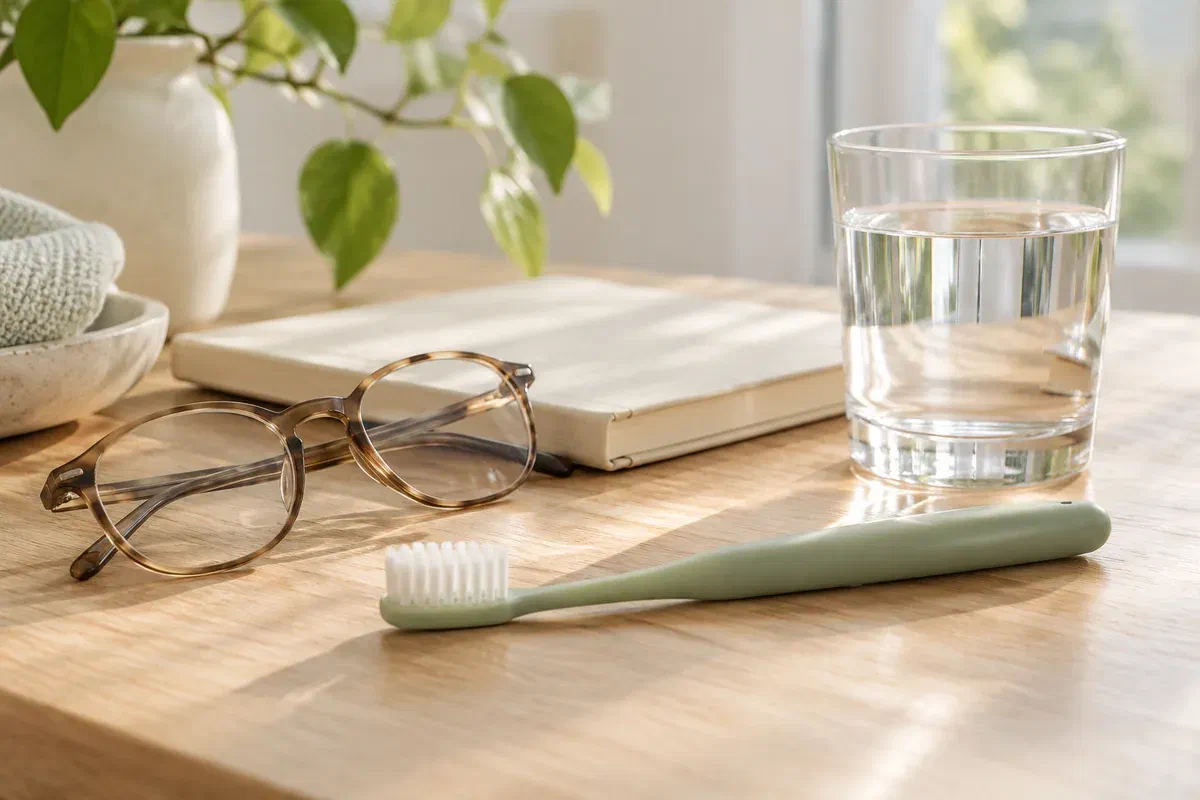
Illustrative reading glasses, a notebook, water, and a toothbrush with a wider handle
What gets lost under stress

Name the gaps, and we can fill them.

Feeling anxious requires no apology. Being specific about what tends to slip away helps the team prepare and confirm arrangements before you come in.

An appointment that left you confused

Maybe you once agreed to treatment without really understanding it, or went home unsure what came next. Describe what you would want done differently. A sentence or two will do. Before care starts, find out how the clinician plans to check your understanding along the way.

Hearing, sight, comfort and mobility

Let us know if hearing over equipment, reading forms, lying back or getting around is difficult. These can make it harder to follow and remember explanations. Mention your aids, and we will confirm the access and appointment arrangements that can genuinely be made.

Many health details to keep straight

New medicines, changes in health, dryness, chewing trouble or denture problems all feed into the assessment. Bring a written medicine list rather than relying on memory. If several concerns compete, put the most important one at the top of your page.

A companion can take notes or help you remember questions, if you want that. You decide what they hear and say. Older age does not mean someone else should speak or decide on your behalf.

Why writing it down helps

Something to reread when the nerves have settled

Understanding your mouth does not depend on absorbing every detail in the moment. Ask for explanations in short sections, in everyday words, with a pause to repeat back what you heard. A written summary of agreed priorities lets you review the plan calmly at home and share it if you choose.

Notes also make it easier to tell urgent problems from decisions that can wait. Ask that urgent findings be marked clearly, along with what extra information each option needs and what follow-up it involves. Some care may be staged, but the written plan should still follow what your mouth needs.

Patient information: NHS — discussing anxiety and requesting a pause during dental visits

A way to stop and ask

Agree on a hand signal before the exam and confirm what will happen when you use it. Ask when pausing is safe. It works for questions too: if you lose track of an explanation, you can signal and ask for it again.

Everyday logistics on paper

Transport across a large rural town, help at home, how your hands manage cleaning and whether you can return several times all affect a plan. Mention them. Ask how many visits an option involves and what aftercare it needs, and have it written down.

Discussion of extra anxiety support

Notes and patience are enough for some people. Others need more help with persistent fear. Find out what kinds of support might fit your medical situation, what this practice provides and when a referral is sensible. Any sedation, medicine or alternative setting would first need an individual assessment.

Getting the most from the visit

Prepare a page, fill it in, take it home.

An initial assessment looks at your dental needs and at what makes care difficult. Ask what is planned so you can arrive with your questions written and ready.

  1. Write your questions before booking

    Note the problem, any pain or swelling, and what worries you most. When you call, mention your anxiety and any hearing, sight or mobility needs. Ask whether the visit is an assessment, treatment or both, and whether written notes can be provided.

  2. Bring everything in writing

    Take a printed or handwritten list of medicines, allergies and doctors’ contacts. Describe earlier reactions to treatment as precisely as possible. Agree whether a companion will join you, and how explanations, consent and breaks will be handled.

  3. Follow the exam with notes

    The clinician describes what they will check and whether imaging could be useful. Ask them to spell out unfamiliar terms so you can write them down. If several problems are found, ask for each to be marked by urgency.

  4. Read the plan back before you go

    Review the options, number of visits, fees and anything needed before your next appointment. Read the notes back with the clinician to check nothing is missing. Confirm who you can phone if a question occurs to you later or symptoms change.

Keeping track at home

Instructions you can find again tomorrow

Advice should suit your teeth, gums, dental work, dentures and what you can manage comfortably. Ask for steps in writing, or a demonstration, if instructions are hard to retain.

Do not dismiss lingering dryness

A dry mouth is not an inevitable part of ageing. Medicines and health conditions can play a part, so report dryness that persists or makes eating or speaking harder. Ask for an assessment, and make any change to prescribed medicine only with your prescriber’s guidance.

Get cleaning instructions you can keep

If brushing or cleaning between teeth is uncomfortable, explain what is hard. A thicker handle or another aid could be worth considering. Ask to be shown how it fits around your own dental work, and request a written reminder of the technique.

Keep one place for dental notes

Store the plan, your medicine list and your questions together, perhaps in a folder or notebook. Bring them to each visit and tell us what helped. If a relative helps with reminders, agree together what they should know and how you stay involved.

Patient information: NIDCR — older adults, medicines, and oral dryness

Support that suits how you take things in

Planned around you, not your age bracket

Talk about the dental problem and what makes care hard in the same conversation. A plan might combine changes to how the visit runs, an appropriate order of treatment and additional anxiety support if needed.

When remembering and understanding matter most

Paced explanation with written summaries

Explain what helps you take in information. Request a short preview of every stage, key points jotted down as you go and an agreed pause signal. Check the arrangements and their limits with the team.

When health and practical needs overlap

Staged treatment with a written schedule

Review your health, the state of your teeth and how many visits you can manage. Find out if treatment might be divided into stages, what postponing one would mean, and ask for the sequence written out. The goal is a plan you can follow that still addresses important needs.

When notes and pacing are not enough

Referral or extra help for severe fear

Intense fear may need specialised support. Ask about counselling or dental anxiety services and any treatment-setting considerations. Whether an option suits you, its availability, cost and medical needs must all be established, and asking for gentle care does not guarantee sedation.

Questions about understanding and remembering

Making sure the important parts stay with you

These questions may help you plan what to ask for. Your preferences and health are what matter, not a general label for older patients.

(905) 876-4488
Can I record the dentist’s explanation on my phone?
Ask the clinician first. Some are comfortable with a short recording of the plan; others may prefer to provide written notes. Either way, the aim is for you to have a reliable reminder of what was discussed.
What should I write down during the appointment?
Focus on what was found, what is urgent, the options and their visits and fees, and what to do next. Leave space for questions. If you cannot write quickly, ask the clinician to slow down or provide a summary.
Is it all right to ask the same question twice?
Yes. Repeating or rephrasing an explanation is a normal part of good communication. Say so whenever something has not sunk in; understanding is more important than a short appointment.
Could memory problems affect how I give consent for treatment?
If you have concerns about memory, mention them. The clinician can take extra time, provide written information and check your understanding. You can involve a trusted person if you wish, while making decisions yourself whenever you are able.
We live in a quieter part of Caledon. Can follow-up questions be handled by phone?
Often, simple questions about your plan can be answered by phone. Ask at the end of your visit who to contact and how. Anything that needs an examination, or worsening symptoms, will need to be seen.
Can my spouse help me remember advice without taking over?
Yes. Ask them to take notes or listen, and tell the clinician you would like to be addressed directly. Agree beforehand what role you want them to play so you stay at the centre of the conversation.
Arranging care from Caledon

Bring a notebook. We will help you fill it.

Phone or message our Bronte Street practice with the dental problem on your mind and the kind of help you would find useful. Tell us about memory, communication or mobility needs at the booking stage, and the team will check the practical side with you before the day.

Arrangements, treatment options, extra anxiety support and referral depend on individual needs and on confirmed availability.

Visit Milton Dental Clinic
Unit 1, 342 Bronte St. S, Milton, ON L9T 5B7
Get directions Clinic hours
Monday–Thursday
11am–7pm
Friday–Sunday
By appointment only

Areas we serve

  • Milton
  • Oakville
  • Mississauga
  • Georgetown
  • Halton Hills
  • Acton
  • Campbellville
  • Brampton
  • Burlington
  • Puslinch
  • Rockwood
  • Erin
  • Caledon
  • Etobicoke
  • Old Milton
  • Bronte Meadows
  • Timberlea
  • Dorset Park
  • Dempsey
  • Clarke
  • Beaty
  • Coates
  • Harrison
  • Scott
  • Willmott
  • Ford
  • Bowes
  • Cobden
  • Walker
  • Mountain View
  • Milton Heights
  • Hawthorne Village
  • Valley View
  • Fallingbrook
  • Nassagaweya
  • Trafalgar
  • Esquesing
  • Nelson
  • Brookville
  • Moffat
  • Glen Williams
  • Norval
  • Limehouse
  • Stewarttown
  • Ashgrove
  • Hornby
  • Silver Creek
  • Speyside
  • Scotch Block
  • North Oakville
  • River Oaks
  • Glen Abbey
  • West Oak Trails
  • Palermo
  • Bronte Creek
  • College Park
  • Joshua Creek
  • Uptown Core
  • Preserve
  • Iroquois Ridge
  • Lisgar
  • Meadowvale
  • Meadowvale Village
  • Churchill Meadows
  • Erin Mills
  • Central Erin Mills
  • Streetsville
  • East Credit
  • Creditview
  • Heartland
  • Sheridan
  • Mount Pleasant
  • Credit Valley
  • Huttonville
  • Churchville
  • Springbrook
  • Northwest Brampton
  • Bram West
  • Fletcher's Meadow
  • Fletcher's Creek South
  • Alton Village
  • Orchard
  • Millcroft
  • Headon Forest
  • Tansley
  • Brant Hills
  • Tyandaga
  • Kilbride
  • Lowville
  • Aberfoyle
  • Morriston
  • Arkell
  • Hillsburgh
  • Freelton
  • Carlisle
  • Waterdown
  • Flamborough
  • Mountsberg

How can we help?

Milton Dental Clinic

Have a question about your smile? Choose the option that works best for you.

For urgent dental concerns, please call.
Messages are reviewed during clinic hours.