

Illustrative older adult speaking directly with a clinician in a calm consultation setting
Specialized Care

Gentle Dentistry for Anxious Seniors in Campbellville

Worrying that the dentist will criticize how you brush can be enough to keep you at home. From Campbellville, you can arrange a calm, judgement-free visit where your daily routine, hand comfort, health and nerves are all part of a respectful conversation.

Judgement-free dental care for Campbellville seniors

No lectures. Just a realistic plan.

Stiff fingers make the toothbrush slip. Flossing hurts your knuckles, so you skip it. Then comes the thought of a dentist peering in and asking how often you clean, and suddenly booking feels like preparing for a scolding. That kind of embarrassment is a common, and rarely spoken, form of dental anxiety.

A respectful appointment treats your routine as information, not a test. Explain what you find hard, what has worked, and what has made earlier visits stressful. Say how much you want to know at once and whether you would like suggestions straight away or after the examination.

When you arrange care from Campbellville, we can talk about the reason for your visit, your health background, how you prefer things explained and what a first appointment would involve. Arrangements are settled beforehand, so an outing into town has a clear purpose.

Plan a supportive, judgement-free visit
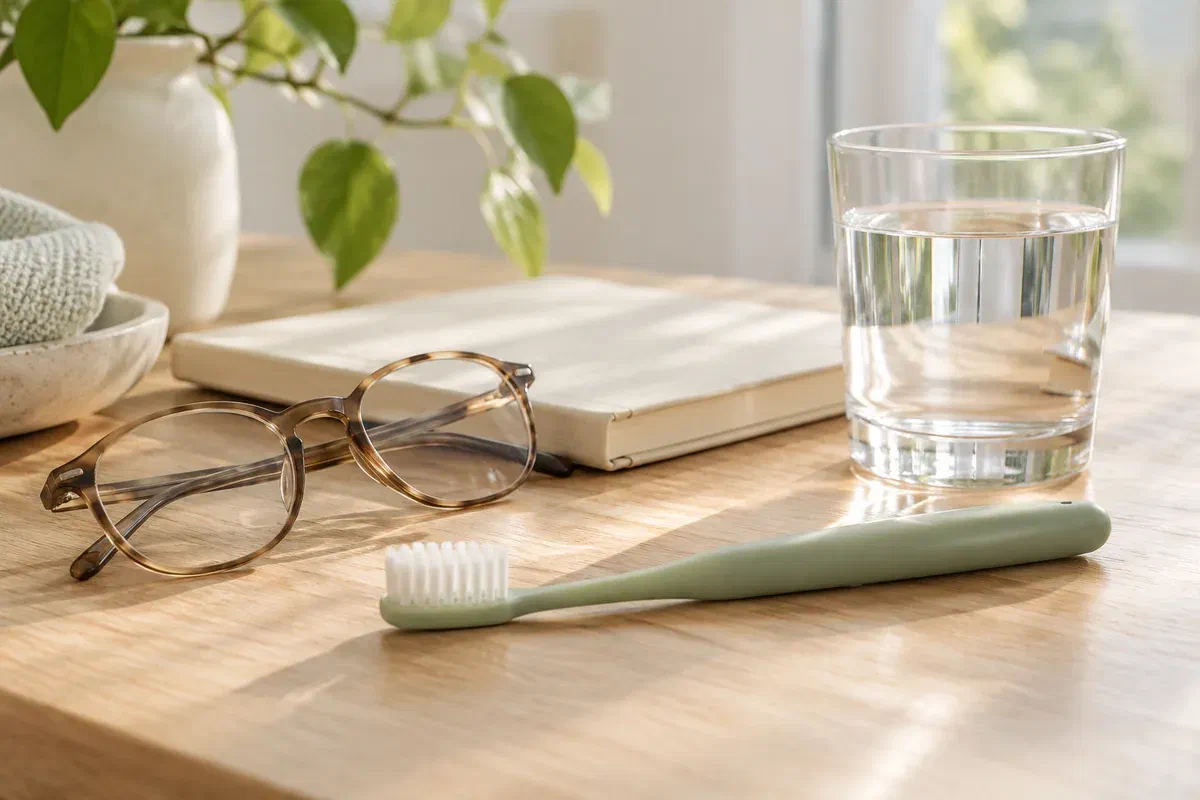
Illustrative reading glasses, a notebook, water, and a toothbrush with a wider handle
What you might be worried about

Practical struggles deserve practical help.

Feeling nervous needs no excuse. Specific details help the team know what to talk through and which arrangements to confirm before you come in.

A dentist who once made you feel small

Perhaps you were told off about your teeth, or treatment went ahead before you understood it. Say what you want to be different. You do not need to describe every detail, and you can ask how the clinician will keep you informed and invite questions.

Hands, eyes, ears and getting around

Tell us if gripping, seeing small print, hearing over equipment, lying back or climbing steps is difficult. Mention any aids you use. We will confirm the access and appointment arrangements that can be made instead of assuming a particular facility or device is available.

A routine that has slipped with your health

Illness, new medicines, a dry mouth or a denture that is hard to clean can change how well a routine works. Bring your medicine list and describe what has become difficult. If there are several problems, decide which matters most so the conversation starts there.

A spouse, friend or adult child can help you think through your questions, if you would welcome it. You choose their role. Older age does not give anyone else the right to speak or decide on your behalf.

What a supportive plan gives you

Help that starts where you are

Getting useful advice does not require a long technical explanation. Ask for findings in everyday language, at a steady pace, and take time to confirm what you have understood. A short written list of agreed priorities is easier to follow at home than a string of spoken tips.

Planning also sorts what needs attention soon from what can wait. Ask which problems are urgent, what more you need to know before deciding and what follow-up each path would involve. Treatment can sometimes be spread over visits, but the order still has to reflect the health of your teeth and gums.

Patient information: NHS — discussing anxiety and requesting a pause during dental visits

A signal that means stop

Before the exam, agree on a gesture you can make if you need a break. Find out what the clinician will do and when pausing is safe. Having that settled makes it easier to relax, even if the conversation about cleaning feels uncomfortable.

Advice that suits your hands and home

Grip strength, eyesight, help at home, travel into town and how often you can return all affect what is realistic. Mention them early. Ask how many visits a plan needs and what daily care it involves before agreeing to anything.

An open discussion about anxiety help

Respectful conversation is all some people need. Others carry a fear that needs more support. Ask which approaches would suit you, what is offered here and whether referral could help. No sedation, medicine or setting is promised before an individual assessment.

The visit, explained

Four parts, none of them a test

A first assessment looks at your mouth and at what makes dental care hard for you. Ask what will happen, and what will not, so you arrive without dread.

  1. Book and be upfront

    Mention that you feel nervous, and describe any pain or swelling right away. Explain grip, hearing, sight or walking difficulties and find out what can be arranged. Ask whether the appointment is an assessment, treatment or both.

  2. Talk about health and daily routine

    Bring a current list of medicines, allergies and doctors’ details. Describe earlier reactions to dental care as clearly as you can, and mention what makes cleaning hard. Agree whether a companion will join you and how consent, explanations and breaks will work.

  3. Learn what the exam shows

    The clinician explains what they will check and whether an X-ray or another test may help. Ask about unfamiliar words. If there are several findings, ask which is most urgent so you do not feel you must decide everything in one sitting.

  4. Go home with a manageable plan

    Review the options, the likely number of visits, fees and anything needed before your next appointment. Ask for the essentials in writing. Know who to call if a question comes to mind later or your symptoms change.

Your routine at home

Cleaning methods that work with your hands

Advice should fit your teeth, gums, crowns, bridges, dentures and what you can physically manage. Say when something sounds impractical, and ask to be shown an easier way.

Speak up about persistent dryness

A mouth that is often dry is not just part of getting older. Medicines and health conditions can contribute, so report it if dryness lingers or makes eating or talking uncomfortable. Ask for an assessment, and never stop a prescribed medicine without speaking to your prescriber.

Try a grip that does not hurt

Describe exactly what makes brushing or flossing painful. A thicker handle, a different interdental tool or another technique may be worth discussing. Ask the clinician to show how it reaches your own fillings, crowns or partial denture before you buy several products.

Bring your feedback next time

Tell us which suggestions you managed and which were still hard to keep up. Keep the plan somewhere you will see it and note questions as they arise. If a relative helps with reminders, agree together what they need to know and how you stay in control.

Patient information: NIDCR — older adults, medicines, and oral dryness

Choosing how we support you

Your needs set the plan, not your date of birth.

Talk about the dental problem and the obstacles to care in the same conversation. The plan might mix appointment adjustments, a sensible order of treatment and extra help with anxiety where needed.

When respect and predictability matter most

A calm assessment with explanations and pauses

Explain what would make the visit feel manageable. Ask for each stage to be described first and agree on a way to stop. Go over the arrangements and their limits with the team, so friendly reassurance becomes a dependable plan.

When daily routine and health both matter

Care sequenced around health and home life

Consider your health, your mouth and how often you can realistically come in. Ask whether treatment could be divided into stages and what delaying a step would mean. The aim is an order of care you can keep up that still tackles important problems.

When gentle pacing is not enough

Further help for fear that will not settle

Strong fear may need support beyond patience and explanation. Ask about counselling or specialist anxiety care and any considerations about where treatment could happen. Fit, availability, cost and medical needs must be confirmed first, and asking for gentle care does not secure sedation.

Questions about care and confidence

Answers without any judgement

These may help you prepare before you call. Your circumstances and wishes matter more than any assumption about what older adults need.

(905) 876-4488
Will the dentist tell me off if my teeth have not been cleaned well?
The aim is to understand what is getting in the way, not to criticize. Explain what makes cleaning hard, and the team can suggest practical changes. If a comment ever feels unkind, you are entitled to say so.
Are electric toothbrushes easier for people with arthritis?
Some people find the larger handle and powered motion helpful; others prefer a manual brush with a thicker grip. Ask the clinician to look at how you hold a brush and suggest what might suit your hands before you buy one.
How do I clean a partial denture if my hands are not steady?
Ask for a demonstration at your visit. The clinician can show you a method and suggest aids that may be easier to hold. Bring the denture and any cleaning products you currently use.
Campbellville is rural for us. Can I combine my dental visit with other errands in town?
Ask when booking roughly how long the appointment is expected to take, then plan the rest of your day around it. Allow extra time in case breaks are needed, and avoid anything rushed straight afterward.
Can a companion explain my routine if I find it hard to describe?
Yes, if you want that help. Agree beforehand what they will share, and ask the clinician to check with you directly. You remain the person making decisions about your care.
Do I need to have a full treatment plan done at once?
Not necessarily. Ask which findings need prompt care and which can be scheduled later. Where it is clinically appropriate, treatment can sometimes be staged so each step feels more manageable.
Arranging a visit from Campbellville

Bring your toothbrush questions. Leave the worry about judgement at home.

Contact our Bronte Street practice to talk about the dental problem and the help you would like. Mention communication, grip or mobility needs when you arrange the visit, so practical details can be confirmed with you beforehand.

Arrangements, suitable treatment, additional anxiety support and referral depend on individual needs and confirmed availability.

Visit Milton Dental Clinic
Unit 1, 342 Bronte St. S, Milton, ON L9T 5B7
Get directions Clinic hours
Monday–Thursday
11am–7pm
Friday–Sunday
By appointment only

Areas we serve

  • Milton
  • Oakville
  • Mississauga
  • Georgetown
  • Halton Hills
  • Acton
  • Campbellville
  • Brampton
  • Burlington
  • Puslinch
  • Rockwood
  • Erin
  • Caledon
  • Etobicoke
  • Old Milton
  • Bronte Meadows
  • Timberlea
  • Dorset Park
  • Dempsey
  • Clarke
  • Beaty
  • Coates
  • Harrison
  • Scott
  • Willmott
  • Ford
  • Bowes
  • Cobden
  • Walker
  • Mountain View
  • Milton Heights
  • Hawthorne Village
  • Valley View
  • Fallingbrook
  • Nassagaweya
  • Trafalgar
  • Esquesing
  • Nelson
  • Brookville
  • Moffat
  • Glen Williams
  • Norval
  • Limehouse
  • Stewarttown
  • Ashgrove
  • Hornby
  • Silver Creek
  • Speyside
  • Scotch Block
  • North Oakville
  • River Oaks
  • Glen Abbey
  • West Oak Trails
  • Palermo
  • Bronte Creek
  • College Park
  • Joshua Creek
  • Uptown Core
  • Preserve
  • Iroquois Ridge
  • Lisgar
  • Meadowvale
  • Meadowvale Village
  • Churchill Meadows
  • Erin Mills
  • Central Erin Mills
  • Streetsville
  • East Credit
  • Creditview
  • Heartland
  • Sheridan
  • Mount Pleasant
  • Credit Valley
  • Huttonville
  • Churchville
  • Springbrook
  • Northwest Brampton
  • Bram West
  • Fletcher's Meadow
  • Fletcher's Creek South
  • Alton Village
  • Orchard
  • Millcroft
  • Headon Forest
  • Tansley
  • Brant Hills
  • Tyandaga
  • Kilbride
  • Lowville
  • Aberfoyle
  • Morriston
  • Arkell
  • Hillsburgh
  • Freelton
  • Carlisle
  • Waterdown
  • Flamborough
  • Mountsberg

How can we help?

Milton Dental Clinic

Have a question about your smile? Choose the option that works best for you.

For urgent dental concerns, please call.
Messages are reviewed during clinic hours.