

Illustrative older adult speaking directly with a clinician in a calm consultation setting
Specialized Care

Gentle Dentistry for Anxious Seniors in Erin

Many people assume they must be sedated to cope with the dentist, or that they will never manage without it. Travelling from Erin or Hillsburgh, you can find out what gentle care really involves and plan an assessment built around your fear, your health and your pace.

What gentle care means, for seniors in Erin

Calm is not the same as sedated.

A neighbour mentions being put to sleep for a filling. A magazine talks about sleep dentistry. Before long, it can seem that the only options are a sedative or white-knuckling through the appointment. For a nervous older adult, especially one taking several medicines, that can make booking feel even more fraught.

In practice, gentle dentistry is mostly about how a visit is run. It means time to talk, a pace you agree to, explanations before each step and a reliable way to pause. For many people that is enough. For others, it is a starting point from which further support can be discussed honestly.

When you contact us from Erin, we can talk about the reason for your visit, your medical history, your communication preferences and what the first appointment would include. If you are wondering about stronger anxiety support, raise it, and the options and limits will be explained plainly.

Ask what gentle care could look like for you
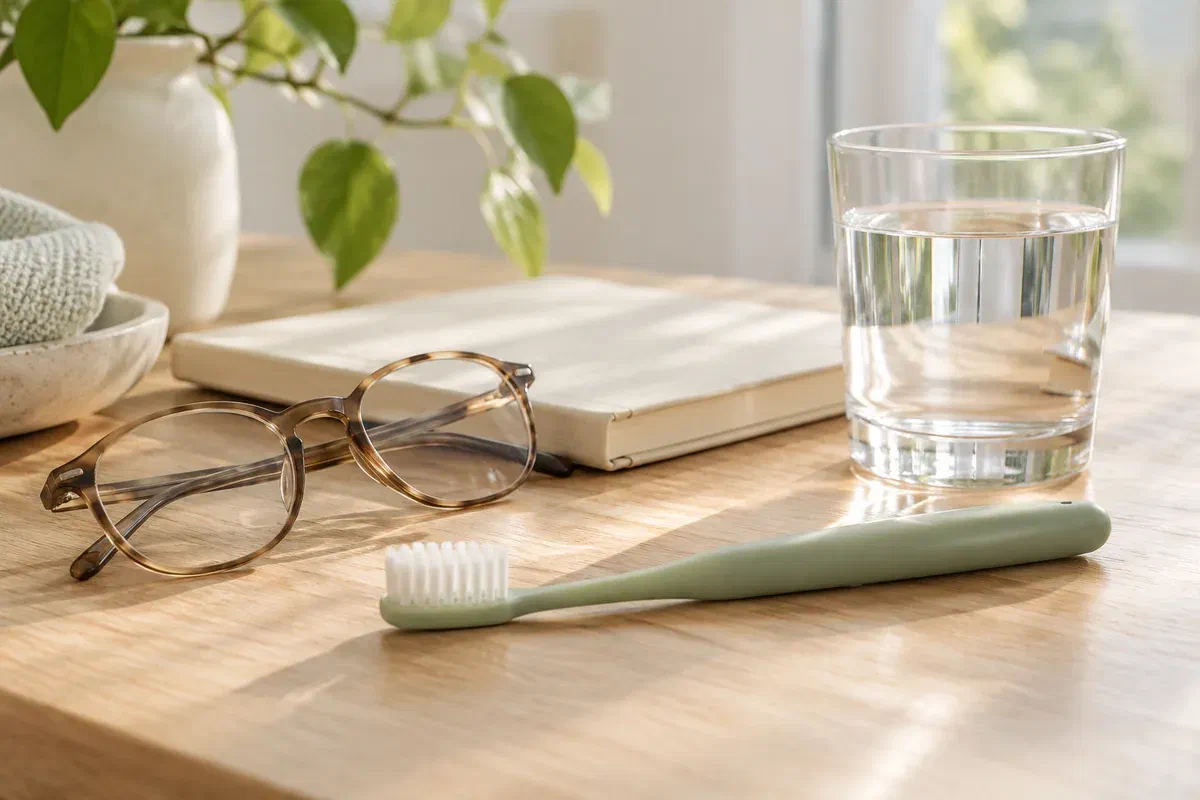
Illustrative reading glasses, a notebook, water, and a toothbrush with a wider handle
Questions worth bringing

What would help you get through the door?

Being frightened needs no excuse. Specific information lets the team plan the conversation, consider what support may be appropriate and confirm arrangements before you arrive.

A fear that has grown over many years

For some, it began with one bad appointment; for others, it is harder to trace. Describe what you would like done differently. You can keep it brief, and you can ask how the clinician will keep you informed once the examination is underway.

Physical comfort, hearing and mobility

Tell us if lying back, staying in one position, hearing instructions or reading forms is difficult. Mention any walking aids or other supports you use. We will confirm what access and appointment arrangements can be made rather than assuming what is on hand.

Health conditions and medicines

If you are curious about anxiety medication or sedation, your health history matters even more. Bring a complete medicine list and note conditions such as breathing problems or heart disease. If you have many questions, choose the one that matters most to begin with.

A friend or relative can help you prepare questions or come along for support, if you wish. You decide their role. Getting older does not mean someone else should speak or decide for you.

What non-sedation support can achieve

Small changes that often make a big difference

Feeling informed is a powerful calming tool, but it does not require every technical detail. Ask for explanations in plain language, delivered at your pace, and check your understanding as you go. A brief written list of agreed priorities helps you stay oriented after the visit.

Clear planning also separates urgent needs from decisions that can wait. Ask which findings require prompt care, which need more information and what follow-up each option would involve. Care may sometimes be staged, though the sequence has to match what your mouth needs.

Patient information: NHS — discussing anxiety and requesting a pause during dental visits

A trusted stop gesture

Decide on a signal together before anything starts. Find out what the clinician will do when you make it and when a pause is safe. Simply knowing you can stop is a real comfort for many people, and it involves no medicine at all.

Practical life taken seriously

Transport from a rural town, help at home, hand comfort and whether you can attend several visits all affect what is workable. Mention them at the start. Ask how many visits an option takes and what aftercare is needed before choosing.

An honest look at further anxiety support

If pacing and explanation are not enough, ask which other approaches suit your health and circumstances, which are available here and whether referral to another provider makes sense. This page does not promise sedation, a particular medicine or a setting; those depend on an individual assessment.

What the first appointment involves

A conversation, an exam and an honest discussion of options

An initial assessment considers your dental needs and what makes care hard for you. Ask what will happen at that visit so you know what to expect before travelling in.

  1. Say how anxious you feel when booking

    Be as honest as you can about the strength of your fear, and report any pain or swelling straight away. Describe hearing, sight or mobility needs and find out what is possible. Confirm whether the appointment is for assessment, treatment or both.

  2. Share your full health picture

    Bring an up-to-date list of medicines, allergies and relevant medical contacts. This information is essential if additional anxiety support is ever considered. Describe earlier reactions to treatment, and agree how explanations, consent and pauses will work.

  3. Examine and explain

    Before starting, the clinician explains what they will check and whether an X-ray or another test may help. Ask about anything unfamiliar. If several issues are found, ask how urgent each one is so you can decide in stages.

  4. Discuss next steps, including support options

    Review the treatment choices, expected visits, fees and any arrangements for the next appointment. If you want to explore further anxiety support, ask what it would involve and whether a referral is needed. Know who to call with later questions.

At home after your visit

A daily routine that fits your hands and your health

Advice should reflect your teeth, gums, restorations, dentures and what you can comfortably do. If a technique feels awkward, ask for a demonstration in the chair rather than a list of instructions.

Bring up a mouth that often feels dry

Dry mouth is not simply part of ageing. Several medicines and health conditions can contribute, so mention dryness that lasts or makes eating and speaking uncomfortable. Ask for an assessment, and keep taking prescribed medicine unless your prescriber advises a change.

Choose a brush and aids you can manage

If holding a brush or cleaning between teeth is hard, describe the specific problem. A larger handle or a different interdental tool could help. Ask the clinician to demonstrate it around your own dental work so you are not buying products to experiment with.

Reflect on what helped

After each visit, note which arrangements eased your anxiety and which did not. Share this at the next appointment so the plan can be adjusted. If a relative helps with reminders, agree together what they should be told and where your decisions stay yours.

Patient information: NIDCR — older adults, medicines, and oral dryness

From reassurance to referral

Three levels of support to talk through

Discuss the dental problem and whatever makes care difficult at the same time. A plan may draw on changes to how the visit runs, a fitting order of treatment and additional anxiety support when warranted.

When explanation and control may be enough

Calm communication with planned pauses

Describe what would help you feel settled. Ask for each stage to be explained first and agree on a stop signal. Confirm what the team can and cannot arrange so the plan you discuss is the plan you get on the day.

When health and logistics complicate choices

A treatment order shaped by health and life

Consider your medical history, the condition of your mouth and how many visits you can realistically make. Ask whether care can be staged and what delaying a step would mean. The goal is a manageable sequence that still deals with important needs.

When fear stays severe despite adjustments

Referral for further anxiety care

Strong, persistent fear may need specialised help, such as counselling or dedicated dental anxiety services. Ask what might suit you and whether treatment would need a different setting. Suitability, availability, cost and medical requirements all need confirming, and sedation is not guaranteed.

Questions about sedation and support

Clear answers about what is and is not involved

These questions may help you prepare for an honest conversation about anxiety support. Your health and preferences matter more than general assumptions about seniors.

(905) 876-4488
If gentle dentistry is not sedation, what actually makes it gentle?
It is the way the visit is planned and run: more time to talk, explanations before each step, an agreed pause signal and attention to comfort and communication needs. For many people, these changes make a visit feel far more manageable.
Can older adults on several medicines have dental sedation?
That depends on individual health, medicines and the type of support being considered, and it requires careful assessment. Bring a full medicine list and ask whether any option is suitable, whether it is offered here and whether another provider should be involved.
What is the difference between feeling nervous and having a dental phobia?
Nervousness is common and often eases with explanation and control. A phobia is a more intense, persistent fear that may lead someone to avoid care entirely. If your fear feels overwhelming, mention it, and ask about referral for specialised support.
Could counselling help with fear of the dentist?
For some people, talking therapies designed for anxiety can help. Ask the team whether a referral might be worthwhile, or speak with your family doctor about local options.
From Erin, is it worth making the trip just for a consultation?
A first visit focused on conversation and assessment can be a useful step, especially if fear has kept you away. Ask when booking what the appointment would include so you can judge whether it suits your needs and travel plans.
Can I bring headphones and listen to music during the exam?
Many people find music helps. Ask beforehand, since the clinician will need to communicate with you at certain points. Agree how they will get your attention, such as a light touch on the arm.
Taking a first step from Erin

Ask your questions about support before anything else.

Get in touch with our Bronte Street practice to discuss your dental concern and the help you would like. Mention communication, mobility or health needs, as well as any questions about anxiety support, so details can be confirmed with you ahead of time.

Arrangements, treatment choices, further anxiety support and referral depend on each person’s health, needs and confirmed availability.

Visit Milton Dental Clinic
Unit 1, 342 Bronte St. S, Milton, ON L9T 5B7
Get directions Clinic hours
Monday–Thursday
11am–7pm
Friday–Sunday
By appointment only

Areas we serve

  • Milton
  • Oakville
  • Mississauga
  • Georgetown
  • Halton Hills
  • Acton
  • Campbellville
  • Brampton
  • Burlington
  • Puslinch
  • Rockwood
  • Erin
  • Caledon
  • Etobicoke
  • Old Milton
  • Bronte Meadows
  • Timberlea
  • Dorset Park
  • Dempsey
  • Clarke
  • Beaty
  • Coates
  • Harrison
  • Scott
  • Willmott
  • Ford
  • Bowes
  • Cobden
  • Walker
  • Mountain View
  • Milton Heights
  • Hawthorne Village
  • Valley View
  • Fallingbrook
  • Nassagaweya
  • Trafalgar
  • Esquesing
  • Nelson
  • Brookville
  • Moffat
  • Glen Williams
  • Norval
  • Limehouse
  • Stewarttown
  • Ashgrove
  • Hornby
  • Silver Creek
  • Speyside
  • Scotch Block
  • North Oakville
  • River Oaks
  • Glen Abbey
  • West Oak Trails
  • Palermo
  • Bronte Creek
  • College Park
  • Joshua Creek
  • Uptown Core
  • Preserve
  • Iroquois Ridge
  • Lisgar
  • Meadowvale
  • Meadowvale Village
  • Churchill Meadows
  • Erin Mills
  • Central Erin Mills
  • Streetsville
  • East Credit
  • Creditview
  • Heartland
  • Sheridan
  • Mount Pleasant
  • Credit Valley
  • Huttonville
  • Churchville
  • Springbrook
  • Northwest Brampton
  • Bram West
  • Fletcher's Meadow
  • Fletcher's Creek South
  • Alton Village
  • Orchard
  • Millcroft
  • Headon Forest
  • Tansley
  • Brant Hills
  • Tyandaga
  • Kilbride
  • Lowville
  • Aberfoyle
  • Morriston
  • Arkell
  • Hillsburgh
  • Freelton
  • Carlisle
  • Waterdown
  • Flamborough
  • Mountsberg

How can we help?

Milton Dental Clinic

Have a question about your smile? Choose the option that works best for you.

For urgent dental concerns, please call.
Messages are reviewed during clinic hours.