

Illustrative older adult speaking directly with a clinician in a calm consultation setting
Specialized Care

Gentle Dentistry for Anxious Seniors in Georgetown

Cutting food smaller, chewing on one side, skipping the apple at lunch: quiet workarounds often hide a dental problem that nerves have kept you from checking. From Georgetown, you can plan a gentle assessment that puts your comfort and questions first.

Eating comfortably again, from Georgetown

You have been working around it at every meal.

It starts small. A tooth twinges with cold water, so you let your tea cool. A partial denture shifts, so you leave the crusty bread for someone else. Over months, the menu narrows, and the longer it goes on, the more an appointment feels like something to dread rather than a fix.

That cycle is common, and dental anxiety is often the reason it lasts. A gentle visit starts by talking about both: the eating problem that bothers you and the feelings that have kept you away. Tell us what helped before, what made earlier care difficult and how much detail you want.

When you contact us from Georgetown, we can talk about the reason for your visit, your health history, your communication preferences and what the first appointment would involve. We agree the practical arrangements beforehand, so the day itself holds fewer unknowns.

Ask about a gentle visit for eating comfort
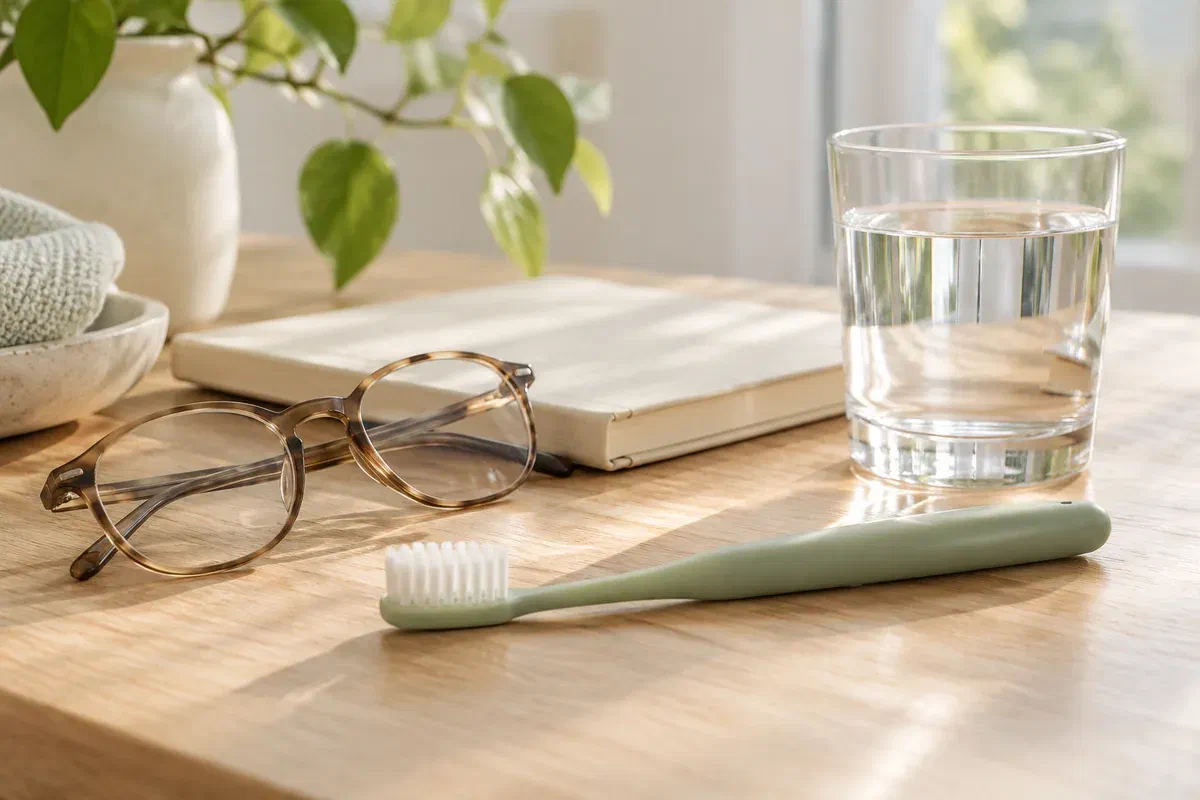
Illustrative reading glasses, a notebook, water, and a toothbrush with a wider handle
What is holding you back?

Nerves, comfort and a mouth that has changed

You never have to prove you are entitled to feel anxious. Concrete details make it easier to know what to discuss and what to confirm before you come in.

An earlier appointment that left a mark

Maybe treatment began before you felt ready, or no one asked how you were doing. Describe what you want handled differently. A sentence or two is enough, and you can ask in advance how the clinician will pause and check with you during care.

Comfort in the chair and the room

Tell us if reclining, holding your mouth open for long, hearing clearly or reading forms is difficult. Mention any walking aids. We will confirm the access and appointment arrangements that are genuinely available, instead of assuming a particular facility or device will be there.

Chewing, dentures and dryness

Describe which foods you avoid, where it hurts and whether a denture has changed how it fits. Bring your medicine list, since some medicines affect saliva. If there are several issues, choose the one that most affects daily life so the visit begins there.

A family member or friend can help you note which foods cause trouble and what you want to ask, if you would like their help. You decide how involved they are. Older age is never a reason for another person to speak or decide for you.

What a careful plan can offer

One problem at a time, explained in plain words

Understanding your options does not mean hearing everything at once. Ask the clinician to explain each finding simply, at a comfortable pace, and to check you have followed it. A short written list of the agreed priorities is easier to refer back to than a long spoken explanation.

Planning also separates what needs prompt care from choices you can take time over. Ask which findings are urgent, which options need more information and what follow-up each involves. Some treatment may be staged across visits, provided the sequence still reflects what your teeth and gums need.

Patient information: NHS — discussing anxiety and requesting a pause during dental visits

A simple stop signal

Agree on a gesture before the exam or treatment, and ask how the clinician will respond. Find out when a short pause is safe. Keeping your mouth open can be tiring, so knowing you can rest for a moment often makes the visit easier.

A plan that fits the kitchen table

Your eating habits, transport, help at home, hand comfort and whether you can attend follow-up all shape what is practical. Raise them early. Ask how many visits an option needs and what changes to eating or cleaning it might bring before choosing.

Room to discuss further anxiety support

Explanation and an unhurried pace are enough for many people. Others need more help with a persistent fear. Ask which approaches suit you, what is offered and whether referral is sensible. Nothing on this page guarantees sedation, a medicine or a treatment setting without an individual assessment.

What to expect at the assessment

Talk, look, explain, decide

A first assessment looks at the eating problem and at what makes dental care hard for you. Ask what is planned so you know whether to expect a conversation, treatment or both.

  1. Describe the problem and your nerves when booking

    Explain what you have been avoiding at meals and that you feel anxious. Mention pain or swelling straight away. Tell the team about hearing, sight or mobility needs and ask what can be accommodated. Bring the questions you want answered first.

  2. Share your health and denture history

    Bring a list of medicines and allergies, plus your doctor’s contact details. If you wear a denture, bring it, even if it sits in a drawer. Describe any earlier reactions to treatment and agree how explanations, consent and breaks will work.

  3. Find out what is causing the trouble

    The clinician tells you what they will examine and whether an X-ray or another test might help. Ask about any word you do not recognize. If there are several causes, ask which is most urgent so you do not feel you must settle everything that day.

  4. Agree what happens next

    Go over the options, expected visits, fees and anything needed before your next appointment. If written notes would help, ask for them. Know who to contact if a question occurs to you later or if your symptoms change.

Eating and cleaning between visits

Day-to-day comfort that you can keep up

Advice should reflect your teeth, gums, dental work, any dentures and what you can comfortably manage. If a technique seems awkward, ask the clinician to show you during the visit.

Raise dryness that affects eating

A dry mouth is not just part of growing older. Medicines and some conditions can contribute, and dryness can make chewing and swallowing food harder. Report it and ask for advice. Do not stop or change a prescribed medicine yourself; talk to the prescriber.

Ask for cleaning aids that suit your hands

If holding a toothbrush or cleaning around a partial denture is uncomfortable, explain what is difficult. A wider handle or a different aid might be worth trying. Ask for a demonstration in your own mouth before buying several products.

Note which foods get easier

After each visit, keep track of what feels better and what still bothers you, and bring those notes back. Share which arrangements helped. If a relative supports you, agree together on what they are told and how you keep making your own decisions.

Patient information: NIDCR — older adults, medicines, and oral dryness

Choosing your level of support

Decide by need, not by age.

Talk about the dental problem and the obstacles to care together. A plan may mix adjustments to how the visit runs, a suitable order of treatment and extra anxiety support when it is warranted.

When clear explanation and breaks matter most

A step-by-step visit with planned rests

Describe what would make the appointment easier to follow. Ask for each stage to be outlined before it starts and agree how you will signal a pause. Check the arrangements and their limits, so a reassuring call becomes a concrete plan.

When eating, health and logistics all matter

Treatment arranged around health and meals

Review your health information, the condition of your teeth and any denture, and how much follow-up you can manage. Ask whether care could be staged and what putting something off would mean. The aim is an order of care that restores comfort where it counts.

When a slower pace is not enough

Referral or more help for strong fear

Persistent fear can need more than pacing. Ask about psychological or dental anxiety services and anything affecting where care might take place. Suitability, availability, cost and medical requirements have to be confirmed, and requesting gentle care does not ensure any type of sedation.

Questions about eating, dentures and nerves

Plain answers to common worries

Use these to think through what to raise when you get in touch. Your health and wishes matter more than any general picture of what older people need.

(905) 876-4488
Is it worth seeing a dentist if I have simply learned to chew on one side?
Yes. Chewing on one side often means something is uncomfortable on the other. An assessment can look for the cause and explain your options. You can decide afterwards what, if anything, you want to do about it.
My partial denture moves when I eat. Can that be looked at gently?
Yes. Bring the denture and describe when it moves and where it rubs. The dentist can examine the fit and your gums and explain possible next steps. Mention your nerves so the visit can be paced accordingly.
Can sensitivity to cold drinks be checked without starting treatment right away?
Often, yes. Many first appointments focus on finding the cause and explaining options. Ask when booking whether the visit is planned as an assessment only, so you can decide about treatment afterwards.
What can I eat after a dental appointment if my mouth feels tender?
Ask the clinician for advice specific to the treatment you had. Softer foods are often easier for a short time, but instructions vary. If tenderness gets worse instead of better, contact the office.
Can someone from Georgetown come in with me to help me remember the advice?
Yes, if you would like that. Tell the team when booking. Your companion can take notes, and you can still ask the clinician to speak directly to you and to leave the decisions with you.
I have avoided the dentist for years because of fear. Where do I even start?
Start with a call explaining that you are nervous and what problem you want checked. Bring your medicine list and a short note of what bothers you most. A first assessment can then clarify what is going on and what the choices are.
Taking the first step from Georgetown

Mealtimes should not be something you plan around.

Reach out to our Bronte Street practice to describe what has been bothering you and the support you would like. Mention communication or mobility needs when you arrange the visit so the team can check details with you beforehand.

Appointment arrangements, treatment options, extra anxiety support and any referral depend on individual needs and confirmed availability.

Visit Milton Dental Clinic
Unit 1, 342 Bronte St. S, Milton, ON L9T 5B7
Get directions Clinic hours
Monday–Thursday
11am–7pm
Friday–Sunday
By appointment only

Areas we serve

  • Milton
  • Oakville
  • Mississauga
  • Georgetown
  • Halton Hills
  • Acton
  • Campbellville
  • Brampton
  • Burlington
  • Puslinch
  • Rockwood
  • Erin
  • Caledon
  • Etobicoke
  • Old Milton
  • Bronte Meadows
  • Timberlea
  • Dorset Park
  • Dempsey
  • Clarke
  • Beaty
  • Coates
  • Harrison
  • Scott
  • Willmott
  • Ford
  • Bowes
  • Cobden
  • Walker
  • Mountain View
  • Milton Heights
  • Hawthorne Village
  • Valley View
  • Fallingbrook
  • Nassagaweya
  • Trafalgar
  • Esquesing
  • Nelson
  • Brookville
  • Moffat
  • Glen Williams
  • Norval
  • Limehouse
  • Stewarttown
  • Ashgrove
  • Hornby
  • Silver Creek
  • Speyside
  • Scotch Block
  • North Oakville
  • River Oaks
  • Glen Abbey
  • West Oak Trails
  • Palermo
  • Bronte Creek
  • College Park
  • Joshua Creek
  • Uptown Core
  • Preserve
  • Iroquois Ridge
  • Lisgar
  • Meadowvale
  • Meadowvale Village
  • Churchill Meadows
  • Erin Mills
  • Central Erin Mills
  • Streetsville
  • East Credit
  • Creditview
  • Heartland
  • Sheridan
  • Mount Pleasant
  • Credit Valley
  • Huttonville
  • Churchville
  • Springbrook
  • Northwest Brampton
  • Bram West
  • Fletcher's Meadow
  • Fletcher's Creek South
  • Alton Village
  • Orchard
  • Millcroft
  • Headon Forest
  • Tansley
  • Brant Hills
  • Tyandaga
  • Kilbride
  • Lowville
  • Aberfoyle
  • Morriston
  • Arkell
  • Hillsburgh
  • Freelton
  • Carlisle
  • Waterdown
  • Flamborough
  • Mountsberg

How can we help?

Milton Dental Clinic

Have a question about your smile? Choose the option that works best for you.

For urgent dental concerns, please call.
Messages are reviewed during clinic hours.