

Illustrative patient discussing gum health with a clinician and a small dental model
Specialized Care

Gingivitis Treatment in Campbellville

In a rural household, one trip into town often covers several errands, and dental visits can work the same way. Gingivitis care for Campbellville families can be grouped sensibly, with each person's gums examined, cleaned as needed and given a routine that suits their age.

Household gum care

Three generations, three different gumlines

A teenager with braces, a parent who rarely has time to floss and a grandparent with a partial denture can all end up with bleeding gums for quite different reasons. Gingivitis is the word for inflamed gum tissue, and it can affect any age. Redness, puffiness and bleeding during cleaning are the usual signs, and they are not always painful.

When plaque is responsible, gingivitis can often be reversed with professional cleaning and regular home care that fits the person. Gum changes can also reflect periodontitis, where support around the teeth has been lost, or something unrelated to plaque. Each family member therefore needs an individual examination, even if appointments are booked side by side.

For households around Campbellville and the rest of Nassagaweya, we can help plan visits so they make sense together. Each person describes what they have noticed, the gums are examined, and the findings are explained in a way that suits them, from simple brushing tips for a child to aids for dental work.

Plan gum checks for your household
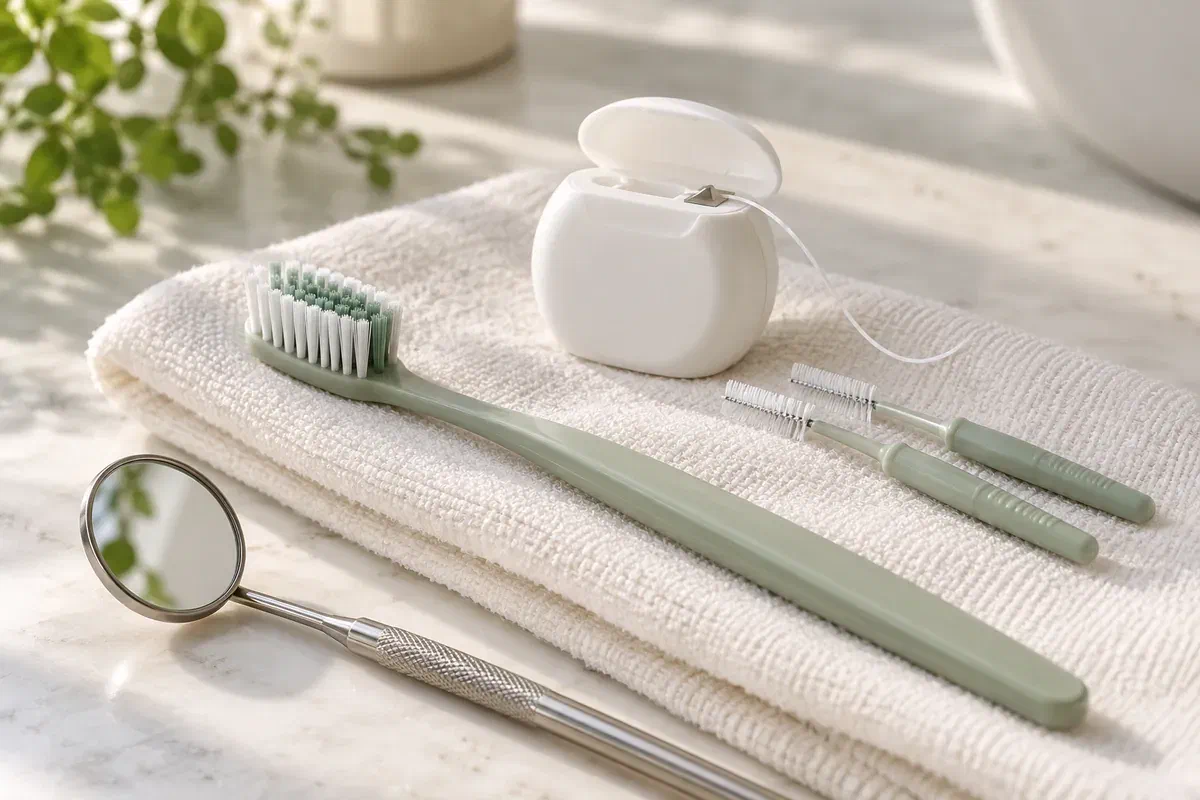
Illustrative soft toothbrush, floss, interdental brushes, and dental mirror on an ivory towel
What to watch for at home

You may spot the signs in someone else first.

Parents often notice a child's bleeding gums before the child mentions it. Note where the change appears, when it started and whether it comes and goes, and mention medicines, new dental work or health changes for each person.

Pink toothpaste foam or floss

Notice whether the bleeding is in one spot or spread around the mouth. At the visit, the clinician can examine the gums and watch how each person cleans. Brushing past the area or scrubbing at it both tend to keep things irritated, so a gentle method is worth practising.

Swollen gums around braces, crowns or dentures

Orthodontic brackets, crowns, bridges and partial dentures all create places where plaque can collect. Point out any area that looks puffy or feels tender. That site may need a specific tool or technique, not just a reminder to brush longer.

Breath that stays sour

Persistent bad breath can come with gum inflammation, but there are other possible reasons. Mention how long it has been noticeable and whether the mouth feels dry. A strong rinse may cover it up, so it is better discussed at the examination.

Let us know about bleeding that happens without brushing, unusual swelling, sores in the mouth or symptoms elsewhere in the body. Gum changes are not always simple plaque-related gingivitis, at any age.

What treatment can do

Healthier gums for everyone, with routines that differ

A good plan connects each person's findings to a routine that fits their stage of life. Ask which areas are inflamed, what cleaning is recommended and how improvement will be checked. A child who struggles with flossing, or an adult who finds a denture hard to clean around, needs practical help rather than a lecture.

The assessment also clarifies the diagnosis for each person. Gingivitis is limited to the gums, while periodontitis involves loss of the structures holding the teeth and calls for a different plan. If anyone's findings point beyond gingivitis, ask how treatment changes and whether further assessment is wise.

Patient information: NIDCR — plaque, gum inflammation, professional cleaning, and individualized treatment

Professional cleaning where it is needed

Tartar has to be removed professionally. Ask where it has built up for each person and what the cleaning will involve. The extent should follow the findings; the time since someone's last visit is not, on its own, a reason for a more extensive procedure.

Age-appropriate home routines

Children, teens with braces and adults with dental work each benefit from different tools and techniques. Ask for a demonstration suited to each person, considering spacing, restorations, dexterity and comfort so the routine is realistic.

Reviews that can be booked together

Plan a recheck for anyone whose gums were inflamed, and ask what symptoms should prompt an earlier call. If inflammation lingers, the review can look again at the diagnosis, deposits, local factors or how practical the routine has been.

How family visits work

Back-to-back appointments, each one individual

Grouping visits can save trips, but each person still follows their own path. Depending on findings and comfort, assessment and cleaning may happen together or in separate visits for different family members.

  1. Each person shares their story

    Everyone describes where they see bleeding or redness, when they first noticed it and what they use to clean. We review each person's medical history and medications. Parents can help younger children explain what they have noticed.

  2. Individual gum examinations

    Every mouth gets its own careful look. The clinician works out whether what they see is gingivitis, periodontitis or something different, sometimes measuring around the teeth or taking images where they would help. A child's findings are explained in simple terms, and adults can ask which observations matter most and why.

  3. Cleaning and hands-on coaching

    We discuss the planned care, how comfort is handled, fees and the number of visits for each person before starting. Cleaning removes the deposits found, and a short demonstration helps each person at home. Anyone can ask to pause if an area is tender.

  4. Coordinated reviews

    Return at the suggested interval, together where convenient, and share what improved and what remains difficult. We check each person's tissue response and adjust their routine. If someone's gums have not settled, ask what further evaluation is appropriate.

At home, between visits

Small daily habits, done together

Ask for instructions each person can follow. Short routines are easier to keep up in a busy household when everyone knows why each step matters and has tools that suit their mouth. Keeping brushes and aids in a shared spot near the sink can also help younger family members remember.

Brush along the gumline, morning and night

Each person should use the brush and fluoride toothpaste suggested for them, focusing on the areas pointed out. For children, a parent may need to help or check. If brushing a spot hurts, tell us where so we can look again rather than pressing harder.

Clean between teeth with the right aid

Floss, interdental brushes or orthodontic aids should be chosen for each mouth. Guide them in gently. If a tool is awkward for someone, bring it to the next visit so we can try a different option.

Use rinses only when advised

If a rinse is recommended for someone, clarify the reason, duration and cautions, including whether it is suitable for children. It will not replace brushing or cleaning between teeth. Call us if symptoms persist or worsen.

Individual plans

Same household, possibly different diagnoses

Ask how each person's plan follows from their own examination. Gum-only inflammation, lasting periodontal damage and a change with another cause are each managed differently.

When plaque-related gingivitis is found

Cleaning and a personal home routine

Deposits are removed and the routine focuses on that person's inflamed areas. Ask how progress will be reviewed and what maintenance is suitable. Instructions should cover both the cleaning at the visit and the habits at home.

When supporting tissue is affected

Periodontal treatment for one family member

If someone is diagnosed with periodontitis, ask how their treatment differs. More thorough cleaning, reassessment, periodontal maintenance or specialist input may be considered. The plan should be explained using that person's findings.

When gums need another explanation

Further evaluation of an unusual change

Now and then a gum change in one family member does not follow the usual pattern. It might come from a rough edge on dental work, a medical factor or a separate condition of the gum tissue. Find out what is still unknown and whether a second look or a referral is the next step, rather than trying one new product after another.

Family questions

Gum care across the generations

These questions can help each person in your household move from general gum advice to a plan that suits their age, dental work and follow-up needs.

(905) 876-4488
Can braces cause gingivitis?
Braces do not cause gingivitis directly, but brackets and wires make plaque harder to remove, which can lead to gum inflammation. Ask for a demonstration of cleaning around the braces and any tools that may help.
Do partial dentures affect gum health?
Plaque can collect on and around a partial denture and the teeth it rests against. Ask how to clean the denture and the gum beneath it, and mention any sore spots so the fit and tissue can be checked.
At what age should children start flossing?
Once teeth touch each other, cleaning between them becomes useful, because a toothbrush cannot reach those surfaces. Parents usually need to help younger children, and floss holders can make it easier. The team can suggest when and how to start based on your child’s teeth.
Can gingivitis be passed between family members?
The bacteria in dental plaque can be shared, but whether someone develops gingivitis depends largely on their own cleaning, dental work and health factors. Each person’s gums should be assessed individually.
Can several family members be seen on the same day from Campbellville?
Often, yes, depending on availability. Mention how many people need appointments when you call, and the team can try to arrange them close together. Each person still receives an individual examination.
Are teenagers more prone to gum inflammation?
Hormonal changes during adolescence can make gums more reactive to plaque, and busy routines may affect brushing. Mention any bleeding or puffiness at their checkup so it can be assessed.
Booking from Campbellville

One trip, everyone's gums checked.

Contact our Bronte Street practice to arrange gum assessments for one or more members of your household. Tell us who needs to be seen and what you have noticed.

Each person's diagnosis, cleaning needs, review intervals and response depend on their own examination and circumstances.

Visit Milton Dental Clinic
Unit 1, 342 Bronte St. S, Milton, ON L9T 5B7
Get directions Clinic hours
Monday–Thursday
11am–7pm
Friday–Sunday
By appointment only

Areas we serve

  • Milton
  • Oakville
  • Mississauga
  • Georgetown
  • Halton Hills
  • Acton
  • Campbellville
  • Brampton
  • Burlington
  • Puslinch
  • Rockwood
  • Erin
  • Caledon
  • Etobicoke
  • Old Milton
  • Bronte Meadows
  • Timberlea
  • Dorset Park
  • Dempsey
  • Clarke
  • Beaty
  • Coates
  • Harrison
  • Scott
  • Willmott
  • Ford
  • Bowes
  • Cobden
  • Walker
  • Mountain View
  • Milton Heights
  • Hawthorne Village
  • Valley View
  • Fallingbrook
  • Nassagaweya
  • Trafalgar
  • Esquesing
  • Nelson
  • Brookville
  • Moffat
  • Glen Williams
  • Norval
  • Limehouse
  • Stewarttown
  • Ashgrove
  • Hornby
  • Silver Creek
  • Speyside
  • Scotch Block
  • North Oakville
  • River Oaks
  • Glen Abbey
  • West Oak Trails
  • Palermo
  • Bronte Creek
  • College Park
  • Joshua Creek
  • Uptown Core
  • Preserve
  • Iroquois Ridge
  • Lisgar
  • Meadowvale
  • Meadowvale Village
  • Churchill Meadows
  • Erin Mills
  • Central Erin Mills
  • Streetsville
  • East Credit
  • Creditview
  • Heartland
  • Sheridan
  • Mount Pleasant
  • Credit Valley
  • Huttonville
  • Churchville
  • Springbrook
  • Northwest Brampton
  • Bram West
  • Fletcher's Meadow
  • Fletcher's Creek South
  • Alton Village
  • Orchard
  • Millcroft
  • Headon Forest
  • Tansley
  • Brant Hills
  • Tyandaga
  • Kilbride
  • Lowville
  • Aberfoyle
  • Morriston
  • Arkell
  • Hillsburgh
  • Freelton
  • Carlisle
  • Waterdown
  • Flamborough
  • Mountsberg

How can we help?

Milton Dental Clinic

Have a question about your smile? Choose the option that works best for you.

For urgent dental concerns, please call.
Messages are reviewed during clinic hours.