

Illustrative patient discussing gum health with a clinician and a small dental model
Specialized Care

Gingivitis Treatment in Etobicoke

Making the trip from Etobicoke for gum care is easier when every appointment counts. We plan gingivitis visits so the examination, cleaning and home-care coaching are well organized, and we explain which symptoms should be seen closer to home rather than waiting.

Planning gum care across the region

Make each visit do more.

When the dentist is a longer drive away, it is tempting to put off a minor-seeming problem like bleeding gums. Yet gingivitis, which is inflammation of the gum tissue, is usually easiest to discuss early. Redness at the gumline, swelling between teeth or bleeding when you clean are all reasons to book, even with no pain.

Gingivitis caused by plaque frequently calms down with a suitable professional cleaning and consistent care at home. Red or bleeding gums can also reflect periodontitis, which affects the tissue anchoring the teeth, or a different condition. An examination is what separates these, and getting it right early can save unnecessary trips later.

Coming from Etobicoke, you will want a plan that respects your time. We ask what you have noticed and how you clean, examine your gums and explain the findings clearly. Where appropriate, we try to combine steps, and we make sure you know what to watch for and when the follow-up matters.

Arrange a gum assessment
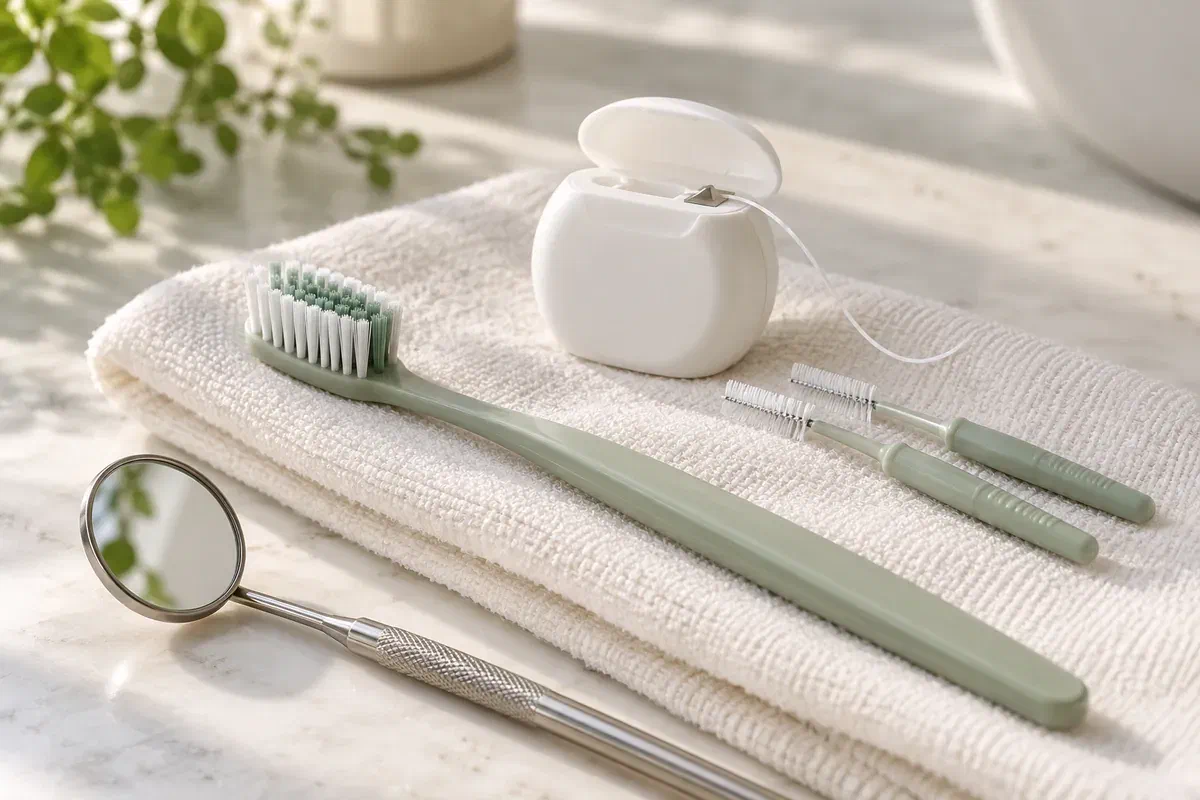
Illustrative soft toothbrush, floss, interdental brushes, and dental mirror on an ivory towel
Before you book

Note the details, and bring them with you.

Write down where the change shows up, when it started and whether it is constant. Recent dental work, new products, medications or health changes may all be relevant, and having them ready helps the first visit go further.

Gums bleeding during brushing or flossing

Note whether it is one area or several. The clinician can look at the tissue and your technique together. Skipping the area or brushing harder are both understandable reactions, but neither tends to help, so a short demonstration during your visit is worth asking for.

Swollen or tender areas

Mention any spot that looks puffy or feels sore, including near crowns, fillings or where food lodges. Ask what may be causing it. Knowing whether one site needs targeted care can make your home routine more effective between trips.

Breath or taste changes that persist

Ongoing bad breath can travel with gum inflammation, although it is not proof of it. Describe how long it has lasted and whether your mouth feels dry. A strong rinse may hide the issue, so mention it during the assessment instead of relying on a product to cover it.

Bleeding without an obvious trigger, unusual swelling, sores or symptoms elsewhere in your body should all be mentioned. Some gum problems are not routine plaque-related gingivitis and need a different line of investigation.

What good care achieves

A plan clear enough to follow on your own

Because you may not be in every few weeks, the plan needs to work at home. Ask which areas need attention, what cleaning is recommended and how improvement will be judged. Struggling with one area is common; the aim is to find a method that works, not to assign blame.

Clarity on the diagnosis matters too. Gingivitis is confined to the gums, while periodontitis means attachment has been lost and requires a different plan. If the findings go beyond gingivitis, ask how this changes the treatment and how many visits it is likely to involve.

Patient information: NIDCR — plaque, gum inflammation, professional cleaning, and individualized treatment

Deposits removed professionally

Tartar can only be removed with professional cleaning. Ask where it has formed and what the cleaning includes, and whether it can be finished in one sitting. The extent of care should follow the examination, not merely the time since your last appointment, so ask how the findings support what is proposed.

A routine you can run without supervision

Practise cleaning the sites that bleed or trap food while you are with us, so the movement already feels familiar at home. The method should account for spacing, dental work, dexterity and comfort so you can continue confidently between appointments.

A well-timed review

Agree on when the gums will be rechecked and what would justify an earlier call. If inflammation persists, the review is the moment to question the diagnosis, look for leftover deposits or a local trouble spot, and check whether the routine has been practical. Planning it ahead keeps the trip worthwhile.

Organizing your visits

Fewer trips, each with a clear purpose

Understanding the sequence helps you plan time off and travel. Depending on the findings and your comfort, the assessment and cleaning may happen in the same appointment, or the cleaning may need its own visit.

  1. Share the details when you book

    Describe the bleeding or redness, how long it has been happening and any relevant health history or medications. Mentioning this ahead of time helps us plan the appointment length and whether cleaning might be possible on the same day.

  2. Examine and explain

    The clinician examines the gums and decides whether the findings fit gingivitis or point elsewhere. Gum measurements and appropriate images may be part of the assessment. Ask for a clear explanation of the diagnosis before you leave.

  3. Clean and coach in one sitting where possible

    First, we go over what is planned, comfort measures, the fees involved and how many visits to expect. When suitable, cleaning follows, along with a hands-on demonstration so you can continue at home. Let us know if any area is sensitive or you would like a break.

  4. Review progress at a planned interval

    Return at the agreed time and tell us what has improved or remained difficult. We check the response and adjust your approach. If things have not settled, ask what further evaluation or change in management is appropriate.

Between your trips

Your routine carries the treatment forward.

Ask for written or clearly explained instructions on where and how to clean. A short routine with tools that fit your teeth is easier to keep up when the next appointment is weeks away.

Brush the gumline as demonstrated

Use the recommended brush and fluoride toothpaste, focusing on the areas we discussed. If a spot is sore, note exactly where and what movement causes it, and call if you are unsure. Refining the angle is usually better than pressing harder.

Keep interdental cleaning going

Use the aid we chose together and guide it in without force, a little at a time if a space feels tight. If it stops feeling right, call us for advice rather than abandoning it, and bring it to your review so we can check the fit and your technique.

Use rinses exactly as advised

If a rinse was recommended, follow the stated purpose, duration and cautions. A stronger product will not resolve stubborn redness. Keep cleaning as planned and contact us if symptoms persist or become uncomfortable.

Plans built on the diagnosis

The findings shape how many visits you need.

Ask how the recommended option connects to your examination and what it means for scheduling. Gum inflammation, established periodontal damage and an unrelated tissue concern each call for different care.

When plaque-related gingivitis is confirmed

Cleaning with focused home care

Deposits are removed and your routine targets the affected areas. Ask how and when progress will be reviewed and what maintenance makes sense given the distance. You should leave clear on both the professional care and your part at home.

When supporting tissue is involved

A broader periodontal plan

If periodontitis is found, ask how treatment and scheduling change. More thorough cleaning, reassessment, periodontal maintenance or a specialist referral may come up. The recommendation should be explained in terms of your findings.

When the gums need a different explanation

Investigation of an unusual change

Something other than plaque, such as an irritant, a health factor or a separate tissue condition, may be at work. Ask what is still uncertain and whether a further examination or referral is advisable. Persistent symptoms deserve review, not trial and error with products.

Planning questions

Gum care when you are travelling in

Longer trips raise practical questions alongside clinical ones. These are the ones that help most when you are planning gum treatment, follow-up and what to do if something changes while you are at home.

(905) 876-4488
Can the assessment and cleaning be done on the same day?
Often they can, depending on the findings, the amount of cleaning needed and your comfort. Mention that you are travelling when you book, and the team can tell you what to expect and plan the appointment accordingly.
What should I do if my gums flare up between visits?
For mild bleeding, keep cleaning gently as shown and call us for advice. For painful swelling, pus or feeling unwell, contact a dental provider promptly, which may mean one nearer to Etobicoke. Breathing or swallowing difficulty needs emergency care.
How often should my gums be reviewed after treatment?
The interval depends on your diagnosis and how the tissue responds. Ask the clinician what they recommend and why, and what signs would mean coming in earlier. Agreeing on this at the start makes it easier to plan around travel and book the review before you leave.
Is gingivitis linked to other health conditions?
Research has explored links between gum health and conditions such as diabetes. Tell the team about your medical history and medications so they can take it into account. If you have a condition that affects healing, mention it at booking.
Does pregnancy affect the gums?
Hormonal changes during pregnancy can make gums more prone to inflammation and bleeding. Let the team know if you are pregnant so the assessment and any treatment can be planned appropriately.
Can I send a photo of my gums before travelling in?
Call us to discuss your concern first. A photo cannot replace an examination, but describing your symptoms helps the team judge urgency and plan the appointment so the visit is as useful as possible.
From Etobicoke to our practice

Plan a gum visit that is worth the drive.

Contact our Bronte Street practice about bleeding, redness or tender gums. Let us know you are coming from Etobicoke so we can plan the appointment around the trip.

Diagnosis, the cleaning required, review timing and how your gums respond all depend on the examination and your situation.

Visit Milton Dental Clinic
Unit 1, 342 Bronte St. S, Milton, ON L9T 5B7
Get directions Clinic hours
Monday–Thursday
11am–7pm
Friday–Sunday
By appointment only

Areas we serve

  • Milton
  • Oakville
  • Mississauga
  • Georgetown
  • Halton Hills
  • Acton
  • Campbellville
  • Brampton
  • Burlington
  • Puslinch
  • Rockwood
  • Erin
  • Caledon
  • Etobicoke
  • Old Milton
  • Bronte Meadows
  • Timberlea
  • Dorset Park
  • Dempsey
  • Clarke
  • Beaty
  • Coates
  • Harrison
  • Scott
  • Willmott
  • Ford
  • Bowes
  • Cobden
  • Walker
  • Mountain View
  • Milton Heights
  • Hawthorne Village
  • Valley View
  • Fallingbrook
  • Nassagaweya
  • Trafalgar
  • Esquesing
  • Nelson
  • Brookville
  • Moffat
  • Glen Williams
  • Norval
  • Limehouse
  • Stewarttown
  • Ashgrove
  • Hornby
  • Silver Creek
  • Speyside
  • Scotch Block
  • North Oakville
  • River Oaks
  • Glen Abbey
  • West Oak Trails
  • Palermo
  • Bronte Creek
  • College Park
  • Joshua Creek
  • Uptown Core
  • Preserve
  • Iroquois Ridge
  • Lisgar
  • Meadowvale
  • Meadowvale Village
  • Churchill Meadows
  • Erin Mills
  • Central Erin Mills
  • Streetsville
  • East Credit
  • Creditview
  • Heartland
  • Sheridan
  • Mount Pleasant
  • Credit Valley
  • Huttonville
  • Churchville
  • Springbrook
  • Northwest Brampton
  • Bram West
  • Fletcher's Meadow
  • Fletcher's Creek South
  • Alton Village
  • Orchard
  • Millcroft
  • Headon Forest
  • Tansley
  • Brant Hills
  • Tyandaga
  • Kilbride
  • Lowville
  • Aberfoyle
  • Morriston
  • Arkell
  • Hillsburgh
  • Freelton
  • Carlisle
  • Waterdown
  • Flamborough
  • Mountsberg

How can we help?

Milton Dental Clinic

Have a question about your smile? Choose the option that works best for you.

For urgent dental concerns, please call.
Messages are reviewed during clinic hours.