Recent trauma
This one is time-sensitive. Tell the team when the injury happened, whether the tooth looks displaced, and whether your bite has changed. Mention cuts, swelling or jaw pain. Nearby teeth often take some of the force and need checking.


Should you call today or book for next week? With a loose permanent tooth, the answer depends on how it started. Our team helps adults from Brampton judge the urgency, then examines the tooth and its support and explains the treatment choices in plain language.
Between shifts, commutes and family commitments, it's tempting to push a loose tooth down the list. Timing does matter, though, and it hinges on how the movement began. A tooth jolted loose by a fall or blow needs prompt attention. A tooth that has drifted slowly still needs an exam, just usually with a bit more room to plan.
Either way, a permanent tooth isn't supposed to move like a child's baby tooth. The cause could be injury, a change in the gum and bone around the root, another dental condition, or simply a crown that has come unstuck. Pain tells you little. A tooth can be quite loose and feel fine.
The quickest way to sort out the timing is a phone call. Explain what happened, roughly when you noticed it, and whether your teeth now meet differently. Don't keep pressing on the tooth to gauge it; the team can advise when to come in from Brampton based on what you describe.
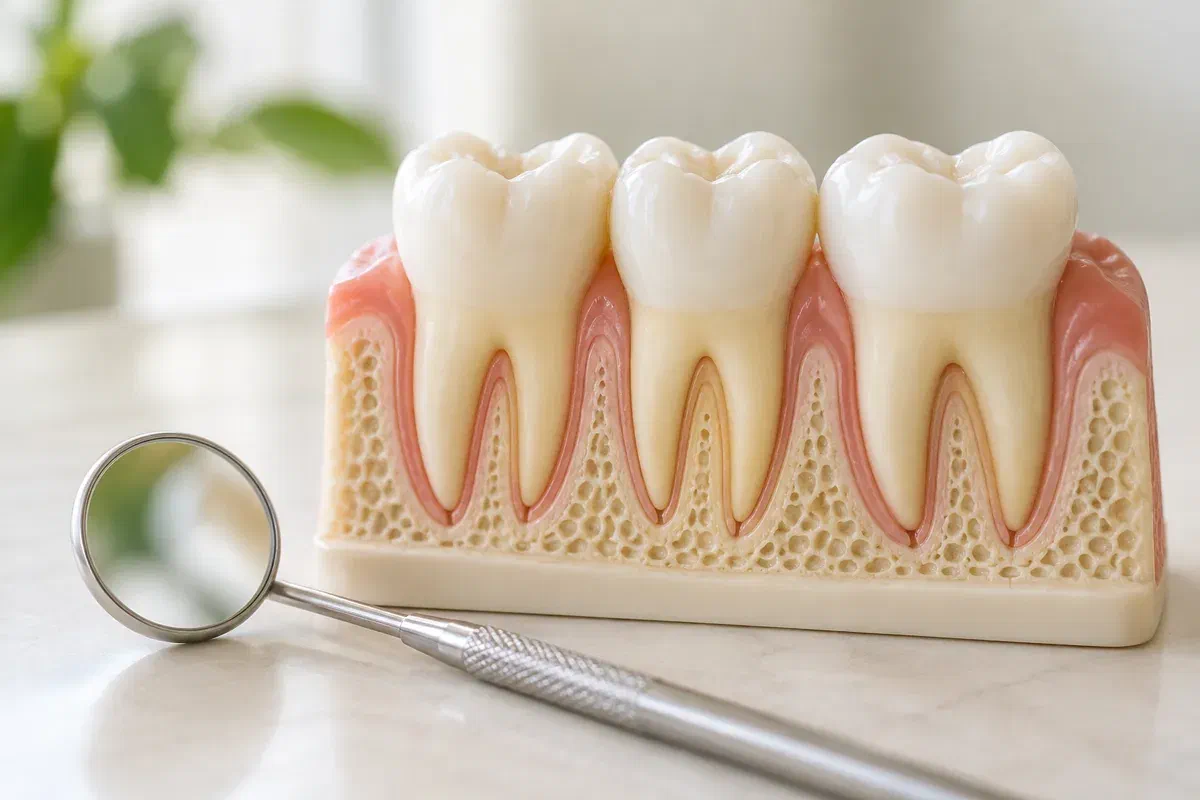
An adult tooth that has been loosened or pushed out of line by an accident should be examined promptly. Don't wait to see whether it starts to hurt before you call.
This one is time-sensitive. Tell the team when the injury happened, whether the tooth looks displaced, and whether your bite has changed. Mention cuts, swelling or jaw pain. Nearby teeth often take some of the force and need checking.
Still important, though usually less urgent unless swelling or pain develops. Report bleeding gums, receding gumlines, new gaps or food trapping. Mention past gum treatment. These guide the dentist toward the tooth's supporting tissues.
Tell us about any dental work in the area and describe what you feel without repeatedly prodding. If something comes out, keep it in a small container and call. Avoid home glues; they can complicate a proper repair.
Phone promptly about a loose or displaced adult tooth after an injury. A tooth knocked completely out is a separate, highly time-sensitive emergency. Serious facial trauma, uncontrolled bleeding or breathing problems require emergency medical care; dial 911.
You should leave knowing more than “it's loose.” The dentist looks at the root, the surrounding gum and bone, and any dental work before judging whether the tooth can be kept reliably. Ask which findings matter most and what remains uncertain. If more tests or a specialist visit are recommended, ask what they will decide.
A good explanation also sorts quick protection from long-term treatment. Steadying a tooth may be useful in some cases. It doesn't rebuild lost support or resolve gum disease on its own. Ask what each proposed step can do for your tooth and how long it's expected to take.
Patient information: NIDCR — assessment and treatment of gum disease
Gums, bone and relevant images are reviewed along with the tooth. Health history and any previous gum care add context. Ask whether the issue is limited to one area or whether your gums overall need assessment.
A loose restoration and a mobile tooth call for different treatment. Ask which you have and whether the tooth under any crown is sound. This explains whether re-cementing would actually help.
Go over the benefits, limits, costs and follow-up for each option. Keeping a tooth can require ongoing care, and the result can't be promised by appearance. Ask what could change the plan as things progress.
Tell us if the area is sore or if you're anxious about the tooth. We explain the exam and what it finds as we go, so you can be part of the decision rather than left wondering.
When did the tooth start moving, and did an injury or dental visit come first? We'll also ask about past gum care, symptoms, medicines and health conditions. Records from another dentist can help show changes over time.
The dentist checks the moving tooth and nearby structures that could explain it. Tests and images are selected to answer the specific question. Ask what they show about bone, the root, or the nerve inside the tooth.
Injuries may need treatment right away; other causes can often be handled in stages that fit your schedule. When a splint is on the table, find out whether it's a short-term measure and what treatment it leads into. If taking the tooth out comes up, it's fair to ask what makes saving it unlikely.
Confirm what each review is for and when it's due, plus any referral. Ask how to clean and chew in the meantime, and which changes mean calling sooner. Booking review dates before you leave makes them easier to keep.
Home care depends on the cause, whether injury, gum disease, a restoration problem or something else. Follow the instructions you were given rather than advice designed for another situation.
Pushing the tooth with your finger or tongue can disturb it, and it won't tell you anything the exam can't. Avoid biting hard foods with it until you've been seen, and cut sandwiches or fruit into smaller pieces if that helps. Don't try to pull, glue or secure it at home.
If a splint or restoration is placed, ask for a demonstration of cleaning around it. Point out areas you find hard to reach. A device creates its own cleaning needs, and the advice should account for your gums as well.
Contact the team about more movement, a changed bite, new pain or swelling, or a loose splint. Don't remove a splint yourself. After an injury, reviews remain important even once the tooth feels better, since later findings may change the plan.
Your exam decides what applies. Call promptly about a new loose tooth, particularly after an injury, and tell us if it or your bite has moved.
Dial (905) 876-4488 to reach our Bronte Street practice, describe the movement, and arrange a suitable assessment. Mention any injury at the start so the team can advise on urgency and what to do before you leave home.
Every tooth is different: keeping it, splinting it, referring it and how it heals all hinge on your own exam. Send a form online only when the question isn't urgent; otherwise, phone.
