Illustrative patient discussing morning jaw discomfort with a dental clinician
Specialized Care

Morning Jaw Pain Treatment in Rockwood

Many people call already sure they need a nightguard. Sometimes that is right; sometimes the sore morning jaw has another source. For anyone driving down from Rockwood, we examine the teeth and jaw first and then explain plainly whether an appliance has a job to do in your case.

Coming down from Rockwood

Do I just need a nightguard?

It is a fair question, and a common one. A friend wears a guard, an article mentioned grinding, and your jaw has been sore on waking for weeks, so a guard seems like the obvious answer. Before anything is made, though, it helps to understand what your mornings actually involve: where it aches, how long it lasts, and whether eating is affected.

Guards are mainly used to protect teeth, and grinding in sleep is only one possible reason for a morning ache. Tired muscles, an irritated joint, a cracked or decayed tooth, wider health factors, and sleep problems can each be involved. A tooth that stings when you bite, a jaw that has started to open less, or snoring with breathing pauses would point somewhere a guard cannot reach.

So the appointment starts with talking and examining, and the appliance question comes afterwards. If you already own one, from a pharmacy or a previous dentist, bring it. Whether or not a guard is recommended, you will hear the reasoning and how we plan to check that the approach is working.


Find out whether a guard suits you
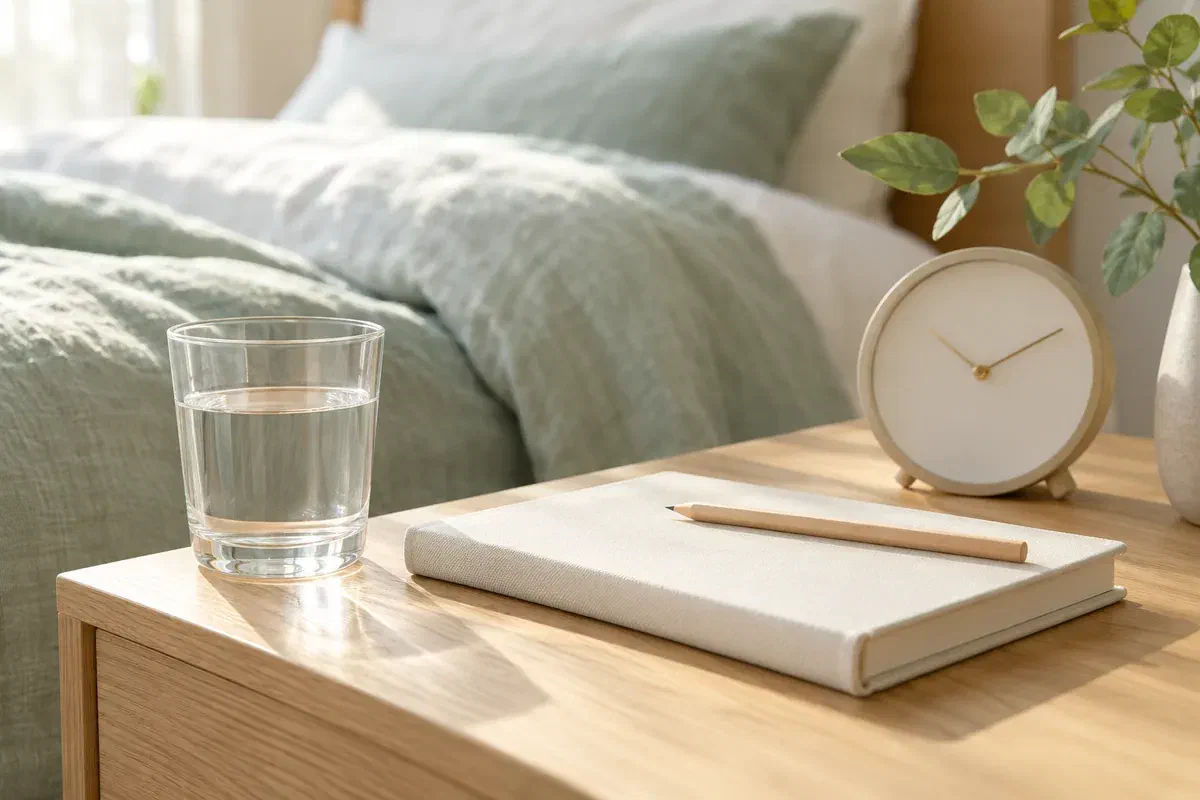
Illustrative morning bedside scene with water, a notebook, and a simple clock
Before the appliance question

Tell us the story first.

The details of an ordinary morning matter more than the solution you have in mind. Mention anything about sleep, how far and how smoothly the jaw opens, or one particular tooth.

What the soreness is like and how breakfast goes

Describe the spot that aches and whether chewing settles it, leaves it as it is, or makes it worse. Note whether it is one-sided and whether you can open comfortably. That account is compared with the examination, because aches that feel alike can arise from different places.

Tooth symptoms and any guard you already have

Sensitivity, biting pain, a chip, or a filling that feels new can change the whole conversation. If you wear a guard of any kind, note where it came from, roughly how old it is, and whether it fits as before. Please bring it without cutting or reshaping it.

Sleep symptoms a guard will not address

Loud snoring, pauses in breathing that someone has seen, waking with a gasp, or overwhelming daytime sleepiness should be discussed with a medical provider. These are not diagnosed from jaw pain, and a general dental guard is not their treatment. Tell us about any sleep assessment you have had.

Certain symptoms come before any appliance discussion. Seek prompt advice for a newly locked jaw, swelling, fever, or trouble eating or drinking. Jaw pain together with chest heaviness, difficult breathing, sweating, or feeling suddenly very unwell could be an emergency; call 911 immediately.

Why examine before deciding

The right appliance, or no appliance, starts with a diagnosis.

Arriving with an answer already in mind is completely normal. What the appointment adds is a check on whether that answer fits your history and the examination. Feel free to ask what the findings confirm, what they leave open, and whether anything else should be looked at before a guard is ordered.

A guard can do some things well and others not at all. Protecting teeth from wear, relieving jaw discomfort, and investigating how you breathe at night are separate goals. Work out together which apply to you and how success will be measured, rather than expecting one device to cover every symptom.

Patient information: NIDCR — bruxism history, symptoms, and examination · NIDCR — conservative care and limitations of jaw pain treatments

An honest look at teeth and jaw

The dentist checks for tooth damage that may matter, examines tender muscles and joints, and watches how the jaw moves. Ask whether each finding explains the ache or just needs keeping an eye on. Older wear does not necessarily account for discomfort that is new.

A guard's purpose stated up front

If an appliance is recommended, ask whether protecting teeth is the main aim and how comfort and fit will be checked. Design depends on what the assessment finds. A general dental guard does nothing for sleep apnea and cannot promise to end morning pain.

A plan to check whether it helps

Agree on what to watch, such as how long stiffness lasts and whether breakfast becomes easier. Ask when to return and what would justify an earlier call. Your experience of ordinary mornings is reviewed side by side with clinical findings.

Order of events

Talk first, examine second, choose the tool last.

Sleep testing is not needed to book. A brief account of when the soreness appears, what accompanies it, and what you have tried, including any guard, is a sound starting point.

  1. The history behind the ache

    We ask when the soreness began, how long it tends to last after you wake, and whether headaches, tooth pain, movement changes, or sleep concerns come with it. Any appliances are discussed too. Medicines and recent changes are reviewed; your prescriber decides on any change to them.

  2. Examining teeth, muscles, and joints

    The dentist assesses the relevant areas and asks whether anything brings on the ache you recognize. A test or image is only suggested when it would settle a particular question. Tell the dentist straight away about any discomfort during the examination.

  3. Deciding whether an appliance fits

    You hear what seems to be contributing and whether another dental or medical issue should be pursued. If conservative care for the muscles or joints is suitable, the reasons are explained. If a guard is proposed, ask about its job, its limits, fees, and the follow-up it needs.

  4. Instructions and a check-in point

    Make sure you know what to do at home and which changes call for a phone call. Agree on a review and what to bring. If a physician or specialist should be involved, find out who will arrange it and how their findings might affect the dental plan.

After the appointment

Give the plan a fair trial.

Use what was recommended and avoid layering other remedies on top. Changing several things together makes it impossible to tell which one is helping, or which one is making mornings worse.

A few notes, kept simple

Write down when the ache starts, about how long it lasts, and whether eating or opening is affected, plus any sleep or appliance notes. A sentence a day is ample. There is no reason to clench or stretch the jaw to test it.

Guard use and care

If a guard was provided, wear and clean it exactly as shown and bring it to every review. Remove it and call the clinician who supplied it if it causes pain. Do not file or bend it yourself, and pain is not proof it is doing its job.

Other treatment stays in place

Tell us about new medical findings, medicine changes, or sleep treatment. A dental guard is never a reason to drop prescribed sleep therapy or medication. When advice from different clinicians seems inconsistent, check with each before making a change.

If not a guard, then what?

What else might the plan include?

A morning jaw ache does not always end with an appliance. Ask which examination finding each recommendation is based on, and whether it is tooth treatment, symptom management, or a separate health question.

When a dental problem explains some of it

Treatment for a tooth

A damaged or decayed tooth may need its own care, and no guard will fix it. Ask which symptoms the treatment should help and whether a jaw issue would remain afterward. A painful tooth always deserves its own investigation.

When the findings call for a reversible start

Conservative jaw care, guard optional

Advice and other conservative steps are discussed, with an appliance included only when the assessment supports it. Whether it helps is reviewed rather than presumed. Permanently changing the bite or tooth surfaces is not a routine first step for unexplained morning pain.

When something beyond the mouth needs checking

A medical or specialist opinion

Sleep breathing symptoms or persistent pain without a clear cause may need another clinician. Ask what a referral would look into and who will coordinate. Sleep disorders require their own assessment and are never confirmed from jaw pain on waking.

Patient information: NHLBI — evaluation and diagnosis of sleep apnea

Questions from Rockwood

Nightguards, and the questions around them

These answers can help you prepare. What is right for you depends on your history, the examination, and whether a tooth, jaw, or sleep concern needs attention.

(905) 876-4488
What is a nightguard actually meant to do?
Most often, a guard is used to help protect teeth from the effects of grinding or clenching. It is not a cure for jaw pain or a treatment for sleep apnea. If one is recommended, ask what it should achieve in your case.
Is there a difference between a store-bought guard and a custom one?
They are made differently, and fit can vary. If you use a store-bought guard, bring it so the dentist can see how it sits and whether it suits your findings. Stop using any guard that causes pain.
Could a guard make my morning jaw pain worse?
Some people find an appliance uncomfortable, which is why fit and comfort are reviewed. If wearing one causes pain, stop and contact the clinician who provided it. Do not adjust it yourself.
Why would the dentist suggest something other than a guard?
Because the examination may point to a tooth problem, a muscle or joint issue, or a medical question that a guard would not address. The dentist will explain what the findings suggest and why a particular approach fits.
How long does it take to know whether a guard is helping?
It varies. A review is usually planned so you can report how mornings have felt. Keep brief notes on how long stiffness lasts and how breakfast goes, so the change can be judged fairly.
Should I wait for a guard before seeing my doctor about snoring?
No. Snoring with breathing pauses or heavy daytime sleepiness should be discussed with your physician regardless of dental care. A general guard is not a treatment for a sleep disorder.
Book from Rockwood

Get a straight answer about the guard.

Call (905) 876-4488 to book an assessment at our Bronte Street practice. If you already have a guard, bring it with a few notes about your mornings, and we will explain what we find and whether an appliance has a place in the plan.

Causes differ, and so do the suitability of an appliance, the response to care, and the need for medical or specialist input. Online forms and email are for questions that can wait.

Visit Milton Dental Clinic
Unit 1, 342 Bronte St. S, Milton, ON L9T 5B7
Get directions Clinic hours
Monday–Thursday
11am–7pm
Friday–Sunday
By appointment only

Areas we serve

  • Milton
  • Oakville
  • Mississauga
  • Georgetown
  • Halton Hills
  • Acton
  • Campbellville
  • Brampton
  • Burlington
  • Puslinch
  • Rockwood
  • Erin
  • Caledon
  • Etobicoke
  • Old Milton
  • Bronte Meadows
  • Timberlea
  • Dorset Park
  • Dempsey
  • Clarke
  • Beaty
  • Coates
  • Harrison
  • Scott
  • Willmott
  • Ford
  • Bowes
  • Cobden
  • Walker
  • Mountain View
  • Milton Heights
  • Hawthorne Village
  • Valley View
  • Fallingbrook
  • Nassagaweya
  • Trafalgar
  • Esquesing
  • Nelson
  • Brookville
  • Moffat
  • Glen Williams
  • Norval
  • Limehouse
  • Stewarttown
  • Ashgrove
  • Hornby
  • Silver Creek
  • Speyside
  • Scotch Block
  • North Oakville
  • River Oaks
  • Glen Abbey
  • West Oak Trails
  • Palermo
  • Bronte Creek
  • College Park
  • Joshua Creek
  • Uptown Core
  • Preserve
  • Iroquois Ridge
  • Lisgar
  • Meadowvale
  • Meadowvale Village
  • Churchill Meadows
  • Erin Mills
  • Central Erin Mills
  • Streetsville
  • East Credit
  • Creditview
  • Heartland
  • Sheridan
  • Mount Pleasant
  • Credit Valley
  • Huttonville
  • Churchville
  • Springbrook
  • Northwest Brampton
  • Bram West
  • Fletcher's Meadow
  • Fletcher's Creek South
  • Alton Village
  • Orchard
  • Millcroft
  • Headon Forest
  • Tansley
  • Brant Hills
  • Tyandaga
  • Kilbride
  • Lowville
  • Aberfoyle
  • Morriston
  • Arkell
  • Hillsburgh
  • Freelton
  • Carlisle
  • Waterdown
  • Flamborough
  • Mountsberg

How can we help?

Milton Dental Clinic

Have a question about your smile? Choose the option that works best for you.

For urgent dental concerns, please call.
Messages are reviewed during clinic hours.