

Illustrative patient discussing a dental appliance with a clinician
Specialized Care

Nightguards for Teeth Grinding in Acton

You had a crown or filling done, and now the nightguard will not click into place the way it used to. From Acton, bring the appliance in so its fit can be checked against your new dental work before you keep wearing it.

After the new crown

The guard used to fit. Then a tooth changed.

It is a very ordinary moment. You get home from having a tooth restored, reach for the guard at bedtime, and it feels tight on one side, rocks slightly, or simply will not go on. Nothing is wrong with your effort. The shape it was made for is no longer quite the shape in your mouth.

That matters because a nightguard works by sitting evenly over the teeth during sleep, giving them a protective surface to close against. An appliance that no longer seats properly may press on the new restoration or the teeth around it. Even when it fits well, a guard protects surfaces; it is not designed to stop grinding, end jaw discomfort, or rebuild worn enamel.

If you are travelling from Acton, bring the guard to your next appointment rather than pushing it into place at home. Tell the team which tooth was treated and when, and whether the work was done here or elsewhere. With that information, the dentist can check the fit and discuss whether adjustment, replacement, or simply a review is the sensible next step.

Have your guard's fit checked
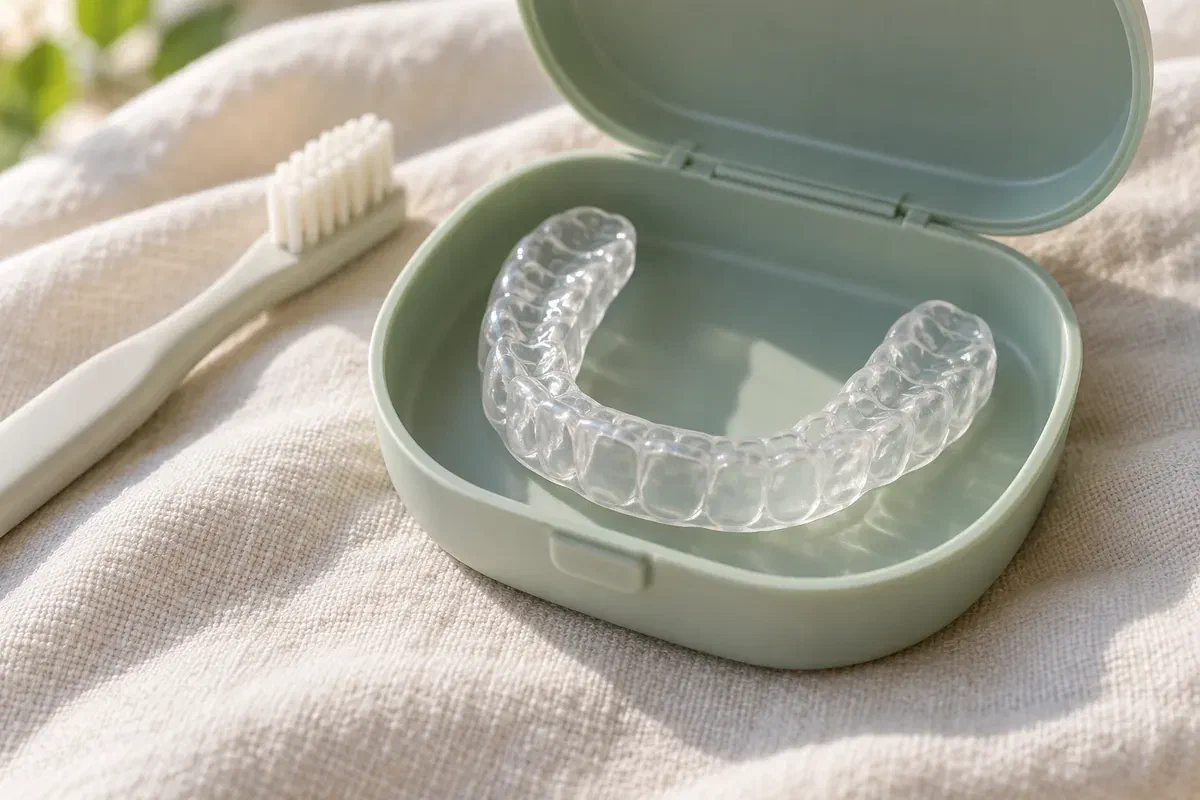
Illustrative translucent dental nightguard in an open storage case beside a toothbrush
When fit deserves a closer look

Signs that something has changed.

Any decision about a guard should rest on what the examination shows. Describe what you have noticed since your dental work, and also mention older concerns, since they may be separate from the new problem.

A restored or worn tooth that feels different

Point out the treated tooth and any others that look chipped, flatter, or newly sensitive. Ask whether the wear looks recent or reflects an older pattern worth tracking. If a restoration seems high, rough, or sore, it may need checking on its own before an appliance is reconsidered.

Grinding at night and clenching during the day

Let the dentist know whether someone still hears you grinding and whether you notice daytime clenching. These are separate habits. A guard worn while you sleep does nothing for waking clenching, which may need different advice.

A guard that pinches, rocks, or will not seat

Tightness, looseness, pressure on one tooth, or soreness after wearing it all suggest a fit problem. Stop forcing it. Bring the appliance with you so it can be compared with your teeth as they are now.

Pain in a newly restored tooth, swelling, a jaw that locks, or real difficulty chewing needs assessment of that specific issue. Covering a new problem with an over-the-counter guard will not fix its cause.

Why the fit check matters

A guard should protect new work, not strain it.

When a guard and a restoration are planned together, each can support the other. Ask which teeth and restorations the appliance is meant to protect, what will be checked at review, and whether any further treatment is coming. Timing a new guard after planned crowns or fillings can avoid having to make it twice.

A professionally made appliance also needs a proper fitting and later review. Raise anything that makes wearing it difficult, such as gagging, sensitivity around the new restoration, or trouble seating it with your hands. Practical problems are easier to solve while the design is still being discussed.

Patient information: NIDCR — limitations and review of intraoral appliances for jaw pain

Built around your teeth as they are now

Review the proposed coverage and material, and ask why that design suits your current examination. If more restorative work is planned, find out whether it should be completed first, since an appliance made around an old tooth shape can stop fitting once that tooth changes.

Honest about what protection can do

Shielding tooth surfaces does not promise relief from jaw pain or headaches. A grinding guard is also different from an appliance prescribed as part of sleep-apnea treatment. If breathing during sleep is a concern, raise it so the right assessment can be arranged.

Rechecked whenever your dental work changes

Agree on how often to bring the guard back, and remember that any new filling or crown is a reason to check it again. Reviews look at fit, condition, and how you are getting on, so problems are found before they cause discomfort.

What happens at the appointment

Check the tooth, check the guard, then decide.

The number of visits depends on what the dentist finds and whether the appliance can be adjusted. Ask what is involved at the start, including whether new records are likely to be needed.

  1. Compare the guard with your current teeth

    Bring the appliance and describe when the fit changed, which tooth was treated, and any symptoms since. The dentist examines the restoration and surrounding teeth and considers whether something else needs care first. Ask what the findings suggest before any decision is made.

  2. Adjust if possible, or plan a new guard

    Some fit changes can be refined; others need a new appliance. If a replacement is recommended, talk through coverage, material, expected fees, and how you will wear it. Fresh scans or impressions may be taken once any remaining restorative work is finished.

  3. Try it on with the clinician watching

    Whether it is the adjusted guard or a new one, practise putting it in and taking it out at the appointment. Mention pressure on the new restoration, rough spots, or trouble seating it, and leave with clear instructions for wear and care.

  4. Review after you have worn it at home

    Arrange a follow-up and confirm which problems should prompt an earlier call. Bring the guard to routine visits, and tell the team about any further dental work. Reviews look at your experience, symptoms, and the device's condition.

Living with the adjusted or new guard

Clean it, store it, and stay alert to fit.

Appliance materials have different needs, so follow the instructions supplied. If you are not sure about cleaners, storage, or how often to wear it, ask for a demonstration or written guidance.

Gentle cleaning around new restorations

Brush your teeth, including the restored tooth, before wearing the guard, and clean the appliance as directed once it comes out. Ask which cleaners suit its material rather than reaching for any household or denture product. Avoid hot water, which may warp it, and keep its case clean.

A protected place to keep it

Use the case every time, and keep it away from heat, pets, and anywhere it might be crushed. A tissue makes it easy to throw away by mistake. Ask about storing it during travel or a period when you are not wearing it.

No home adjustments

If the guard hurts, stop wearing it and contact the clinician who made it. Do not trim, heat, bend, or glue it to make it fit. A crack, sharp edge, lasting bite change, or difficulty seating it should be reviewed professionally.

Patient information: United Lincolnshire Hospitals — bite guard care instructions

Next-step choices

Refine, replace, or wait for the rest of the treatment.

The right choice depends on your findings, the condition of the guard, and any dental work still to come. Talk through what each option is expected to achieve for you.

When more restorative work is planned

Hold off until the treatment plan is complete

If further crowns or fillings are scheduled, it may be sensible to monitor rather than make a new guard immediately. Ask what to do in the meantime, what will be checked, and when the appliance question will be revisited.

When protection is needed now

An adjusted or replacement guard

Discuss whether the current appliance can be refined or a new one is needed, along with its limits and follow-up. It protects surfaces, including new restorations, but routine cleanings, repairs, and new symptoms still need their own care.

When something else needs attention

A closer look at a tooth, the jaw, or sleep

A restoration that stays sore, persistent jaw symptoms, or possible sleep-disordered breathing may need further investigation. The dentist can explain which clinician should look at each. A guard should not delay a diagnosis or replace prescribed medical sleep treatment.

Fit and restoration questions

What to ask when your guard and your teeth no longer match.

Your questions and the appliance itself are both useful here. Advice should reflect your new dental work, the condition of the guard, and what to do if wearing it becomes uncomfortable.

(905) 876-4488
Can a nightguard be adjusted after I get a new crown?
Sometimes. It depends on how much the tooth shape changed and on the guard’s material and condition. The dentist will examine both before suggesting adjustment or a new appliance, and will explain why.
Is it harmful to wear a guard that feels tight on one tooth?
It is best not to. Uneven pressure may be uncomfortable and could affect the new restoration or nearby teeth. Stop wearing it and bring it in so the fit can be checked.
Should I tell the dentist who did my crown about my nightguard?
Yes. Mentioning it before treatment lets them consider how the restoration and the appliance will work together. Let our team know about the treatment as well.
Can I go without my guard while waiting for a fit check?
Ask the team for advice specific to you. A short gap is often preferable to wearing an appliance that presses on new dental work, but the right answer depends on your situation.
Will a new guard make my crown last forever?
No outcome like that can be promised. A guard may help protect surfaces from grinding forces, but restorations still need routine checks, and the appliance needs review over time.
Do I need a separate trip from Acton just for a fit check?
Not always. Ask whether the check can be paired with a follow-up for your restoration or a routine visit. The team can let you know what is realistic when you book.
Acton nightguard fit checks

Bring the guard and tell us what changed.

Phone (905) 876-4488 to book with our Bronte Street practice. Bring the appliance, let us know which tooth was treated and where, and mention any work still to come, so we can talk through adjustment, replacement, or review.

Guard suitability, design, lifespan, and how symptoms respond all vary. A grinding guard does not diagnose or treat sleep-related breathing disorders, which need assessment and prescribed care of their own.

Visit Milton Dental Clinic
Unit 1, 342 Bronte St. S, Milton, ON L9T 5B7
Get directions Clinic hours
Monday–Thursday
11am–7pm
Friday–Sunday
By appointment only

Areas we serve

  • Milton
  • Oakville
  • Mississauga
  • Georgetown
  • Halton Hills
  • Acton
  • Campbellville
  • Brampton
  • Burlington
  • Puslinch
  • Rockwood
  • Erin
  • Caledon
  • Etobicoke
  • Old Milton
  • Bronte Meadows
  • Timberlea
  • Dorset Park
  • Dempsey
  • Clarke
  • Beaty
  • Coates
  • Harrison
  • Scott
  • Willmott
  • Ford
  • Bowes
  • Cobden
  • Walker
  • Mountain View
  • Milton Heights
  • Hawthorne Village
  • Valley View
  • Fallingbrook
  • Nassagaweya
  • Trafalgar
  • Esquesing
  • Nelson
  • Brookville
  • Moffat
  • Glen Williams
  • Norval
  • Limehouse
  • Stewarttown
  • Ashgrove
  • Hornby
  • Silver Creek
  • Speyside
  • Scotch Block
  • North Oakville
  • River Oaks
  • Glen Abbey
  • West Oak Trails
  • Palermo
  • Bronte Creek
  • College Park
  • Joshua Creek
  • Uptown Core
  • Preserve
  • Iroquois Ridge
  • Lisgar
  • Meadowvale
  • Meadowvale Village
  • Churchill Meadows
  • Erin Mills
  • Central Erin Mills
  • Streetsville
  • East Credit
  • Creditview
  • Heartland
  • Sheridan
  • Mount Pleasant
  • Credit Valley
  • Huttonville
  • Churchville
  • Springbrook
  • Northwest Brampton
  • Bram West
  • Fletcher's Meadow
  • Fletcher's Creek South
  • Alton Village
  • Orchard
  • Millcroft
  • Headon Forest
  • Tansley
  • Brant Hills
  • Tyandaga
  • Kilbride
  • Lowville
  • Aberfoyle
  • Morriston
  • Arkell
  • Hillsburgh
  • Freelton
  • Carlisle
  • Waterdown
  • Flamborough
  • Mountsberg

How can we help?

Milton Dental Clinic

Have a question about your smile? Choose the option that works best for you.

For urgent dental concerns, please call.
Messages are reviewed during clinic hours.