

Illustrative awake patient discussing dental anxiety and treatment planning with a clinician
Specialized Care

Oral Sedation Consultations in Campbellville

On a rural property, the hours after sedation can be the hardest part to arrange. Someone has to bring you home and stay, and the chores, animals, or family still need tending. A consultation covers that, along with your anxiety, health, and treatment, before oral sedation is considered.

Campbellville and rural Nassagaweya

Someone drives. Someone stays.

An escort after sedation is more than a ride. Depending on the plan, it can mean an adult who travels with you, takes you home, and keeps an eye on you for a set period while someone else handles the barn, the dog, or the children. Working that out is one reason to have a consultation first. Booking one commits you to nothing.

Oral sedation is a prescribed medicine taken by mouth to help you reach a planned level of calm during dental care. It sits well apart from general anaesthesia, it carries risks that need assessing, and it does not freeze the tooth. Ask what depth is being considered and how pain from the procedure itself will be controlled.

From Campbellville, the consultation can be its own short trip into town. Talk about what makes dentistry difficult, then ask which arrangements and providers are realistic and whether a referral would suit you. Expect to leave with a next step you can plan around, whether or not it involves a sedative.

Plan support that works at home
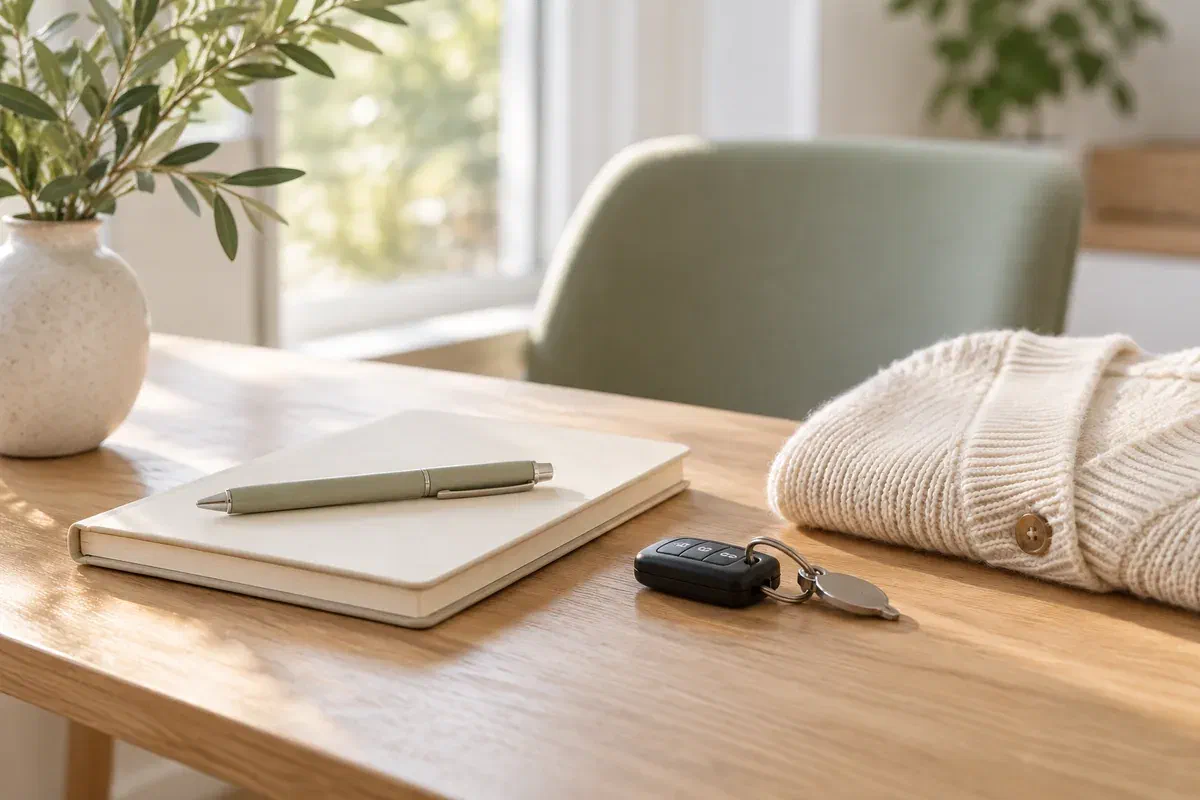
Illustrative consultation notebook, pen, and travel keys beside a folded cardigan
Bring it all to the table

Nerves, health, and the people who would help

Share which appointments have been hardest and anything that softened them. A precise picture lets the clinician tailor the plan, rather than treating all nervous adults as if they need one medicine and one kind of visit.

The step that unsettles you

Is it the needle, the hum of equipment, gagging, discomfort, or feeling unable to call a halt? Maybe the dread starts the night before. Describe it. Slower explanations and a way to pause are yours to request, without going into personal history.

Medicines, conditions, and past reactions

Write out every prescription, over-the-counter product, and supplement, and include alcohol, cannabis, or other non-prescribed substances. Add any trouble with earlier sedation or anaesthetic, breathing or sleep conditions, allergies, and pregnancy or breastfeeding. Each piece shapes whether sedation is safe.

Cover at home while you recover

Consider who could come with you, who could stay afterward, and who would handle animals, children, or outdoor work. Rural households often need to arrange this days ahead. Mention it at the consultation so the appointment fits the support you have.

Do not reach for a borrowed sedative, a leftover prescription, or a second dose to steady yourself before the consultation. Sedation medication is only to be taken on the treating clinician’s instructions. Tell the team about anything you have taken that might be affecting your alertness.

What gets cleared up

The treatment, the sedation, and the day around them

Start with the dentistry. Ask what procedure is proposed and why, what the other choices are, and whether it could be broken into shorter visits that are simpler to arrange around rural commitments. Taking help for anxiety should never leave you vague about which treatment you are consenting to.

Then pin down expectations. Ask how the proposed method may affect anxiety, awareness, memory, and comfort, and what it cannot achieve. People respond unpredictably, so a good plan neither banks on you forgetting the visit nor tries to fit a long treatment course into one sedated appointment.

Patient information: RCDSO — consent considerations for treatment involving sedation · NHS England — individual approaches to dental anxiety management

Drug-free options weighed seriously

A stop signal, good communication, shorter appointments, and psychological support for anxiety each have value, and some need no escort at all. Tell the team which you would like to try, or combine with other care.

Real answers about arrangements

Find out who would sedate you, in what setting, and whether that is possible for someone with your health and procedure. A referral to another setting is sometimes the better fit. Have it confirmed rather than assuming the clinic offers every level.

A consent conversation before any medicine

You should hear about the procedure, its risks, alternatives, and requirements while you are thinking clearly. Take written instructions home and call about anything unclear. Signing a form is the record; understanding is the substance.

Visit structure

How the time together is spent

Treat the consultation as its own appointment, ahead of any treatment date. When booking, say you want to discuss nerves and sedation, so the time is reserved for a conversation rather than a procedure.

  1. Hearing your side

    You explain what you need help with and whether anything is painful or can’t wait. You also describe how earlier visits went and what helped. From there, the clinician separates the urgent dental need from the longer task of making future care workable.

  2. Assessing health and the procedure

    Your medical background, medicines, earlier sedation experiences, and the planned dental work are looked at together. Your physician or another provider may be asked for information. Ask what remains open and whether referral is worth considering.

  3. Setting out the options

    Approaches with and without medication are discussed for what they offer, their limits, their risks, and their costs. Who would provide sedation, and where, is settled. If oral sedation is on the table, get instructions written for you, not borrowed from a neighbour’s experience.

  4. Planning the day and the evening

    Cover food and drink, medicine timing, getting there and back, what your companion must do, and what you must avoid afterward. Ask what happens if you fall ill or your help cancels. Keep the written plan and a contact number.

Back home, before treatment

Line up the help before the date arrives.

A consultation is no signal to start a sedative. If you go on to book sedation, the instructions that matter are the ones issued for that method and appointment, not advice remembered from a different treatment.

Read the instructions with your helper

Go through guidance on usual medicines, eating, drinking, and when to take anything prescribed, ideally with the person coming with you. Do not improvise a fast or stop a prescription on your own. If two instructions disagree, call the treating team.

Arrange cover for chores and caregiving

Confirm your escort and how long they will stay. For the full period the provider sets, avoid driving, farm or yard machinery, work, caring for others, and big decisions. Feeling steady again sooner does not mean the restrictions are over.

Call if anything changes

An illness, a new medicine, pregnancy, or a helper who can no longer come should be reported before the appointment. If a preparation step was skipped, be honest about it. With accurate information, the team can proceed, rework the plan, or reschedule.

Patient information: Blackpool Teaching Hospitals — oral sedation preparation and recovery considerations

Routes forward

Pick the support your household can carry out.

You may leave with a sedation plan, a plan built on other anxiety support, or a referral. Ask how the suggestion accounts for your health, your wishes, and your dental needs, instead of assuming one method suits every visit.

When you can manage without medication

Paced, well-explained care

Moving slowly, explaining as you go, and using a pause signal may be enough, and you may be able to drive yourself home afterward. Further anxiety support can be discussed too. This route respects your fear; it simply fits the plan to what helps.

When suitability and arrangements are confirmed

Assessed oral sedation

Understand how deeply you would be sedated, what could go wrong, how you would be observed, how the tooth will be numbed, and what recovery at home involves. Follow the prescription exactly. Sedation is never a way around assessment, consent, an escort, or a suitable setting.

When needs exceed this pathway

Another provider or setting

Health, procedural, or anxiety-related factors may suggest a referral. Ask what the other provider will look at and who manages a dental emergency while you wait. A referral is about matching care to your situation, not a guarantee of a particular anaesthetic.

From Campbellville

Questions about rural recovery and sedation

These answers prepare you for the conversation; they do not choose medication or dosage. The treating clinician assesses you individually and gives the instructions for any planned sedation.

(905) 876-4488
Does my escort need to stay with me at home, or just drive me?
That depends on the provider’s requirements for the method proposed, and many plans call for supervision afterward, not just a ride. Ask exactly what is expected so your companion can plan their day.
Can I do farm or yard work the evening after sedation?
Avoid machinery, heavy equipment, and tasks where you could be hurt for the period the provider specifies. Arrange for someone else to handle chores. Feeling alert does not mean it is safe to resume.
Can I combine my consultation with errands in Milton?
Yes, a consultation does not involve sedation, so you can usually carry on with your day. Treatment under sedation is different, and your escort and recovery plans should be in place for that visit.
What if my only helper cancels the day before?
Call the team right away. Proceeding without the required escort or supervision is not safe. Rescheduling is far better than travelling home alone after sedation.
Does sleep apnea affect whether I can be sedated?
It can. Breathing and sleep conditions are relevant to sedation risk and the right setting. Tell the clinician about the diagnosis, any treatment you use, and advice from your doctor.
Could I avoid medication and still get my treatment done?
Possibly. Ask about pacing, communication, staged visits, and other anxiety support. The consultation compares approaches and does not commit you to a sedative before a full discussion and consent.
Arranging a consultation from Campbellville

Plan the help first, then the appointment.

Ring (905) 876-4488 to set up a conversation about dental nerves and the work you need done. Bring your medicine list, and tell us about any urgent problem so the team can help you choose a sensible starting point.

Individual assessment determines whether sedation is suitable and available, who would provide it, in what setting, and what recovery would involve. This page is general information, not a prescription, and does not confirm any specific sedation service at the clinic.

Visit Milton Dental Clinic
Unit 1, 342 Bronte St. S, Milton, ON L9T 5B7
Get directions Clinic hours
Monday–Thursday
11am–7pm
Friday–Sunday
By appointment only

Areas we serve

  • Milton
  • Oakville
  • Mississauga
  • Georgetown
  • Halton Hills
  • Acton
  • Campbellville
  • Brampton
  • Burlington
  • Puslinch
  • Rockwood
  • Erin
  • Caledon
  • Etobicoke
  • Old Milton
  • Bronte Meadows
  • Timberlea
  • Dorset Park
  • Dempsey
  • Clarke
  • Beaty
  • Coates
  • Harrison
  • Scott
  • Willmott
  • Ford
  • Bowes
  • Cobden
  • Walker
  • Mountain View
  • Milton Heights
  • Hawthorne Village
  • Valley View
  • Fallingbrook
  • Nassagaweya
  • Trafalgar
  • Esquesing
  • Nelson
  • Brookville
  • Moffat
  • Glen Williams
  • Norval
  • Limehouse
  • Stewarttown
  • Ashgrove
  • Hornby
  • Silver Creek
  • Speyside
  • Scotch Block
  • North Oakville
  • River Oaks
  • Glen Abbey
  • West Oak Trails
  • Palermo
  • Bronte Creek
  • College Park
  • Joshua Creek
  • Uptown Core
  • Preserve
  • Iroquois Ridge
  • Lisgar
  • Meadowvale
  • Meadowvale Village
  • Churchill Meadows
  • Erin Mills
  • Central Erin Mills
  • Streetsville
  • East Credit
  • Creditview
  • Heartland
  • Sheridan
  • Mount Pleasant
  • Credit Valley
  • Huttonville
  • Churchville
  • Springbrook
  • Northwest Brampton
  • Bram West
  • Fletcher's Meadow
  • Fletcher's Creek South
  • Alton Village
  • Orchard
  • Millcroft
  • Headon Forest
  • Tansley
  • Brant Hills
  • Tyandaga
  • Kilbride
  • Lowville
  • Aberfoyle
  • Morriston
  • Arkell
  • Hillsburgh
  • Freelton
  • Carlisle
  • Waterdown
  • Flamborough
  • Mountsberg

How can we help?

Milton Dental Clinic

Have a question about your smile? Choose the option that works best for you.

For urgent dental concerns, please call.
Messages are reviewed during clinic hours.