

Illustrative patient discussing recovery questions after a tooth extraction with a clinician
Specialized Care

Post-Extraction Care in Old Milton

Healing after an extraction raises different questions when you manage several prescriptions or a health condition. From Old Milton, you can call us to describe your symptoms, sort out which instructions apply, and decide whether you need reassurance, an examination, or more treatment.

Healing near Milton’s historic downtown

Your medicine cabinet is part of your extraction recovery.

Plenty of people arrive for an extraction already taking something for blood pressure, the heart, diabetes, or joint pain. Those medicines and conditions can shape how a socket is managed afterwards, which is why recovery advice should be specific to you. A surgical removal or a graft adds its own precautions on top.

Expect some tenderness, mild swelling, and saliva that looks pinkish at first. The useful question is whether each day is a little better than the last. When something is getting worse, is hard to settle, or does not match your instruction sheet, that is reason enough to call. Nobody expects you to diagnose it first.

Our Bronte Street practice is close to the downtown streets, and a short call is often the quickest way to start. Tell us when and where the tooth came out and bring any written instructions. If another office did the extraction, they hold the procedure details and are usually the first contact. We can explain what a local review here would involve.

Ask about recovery and your medicines
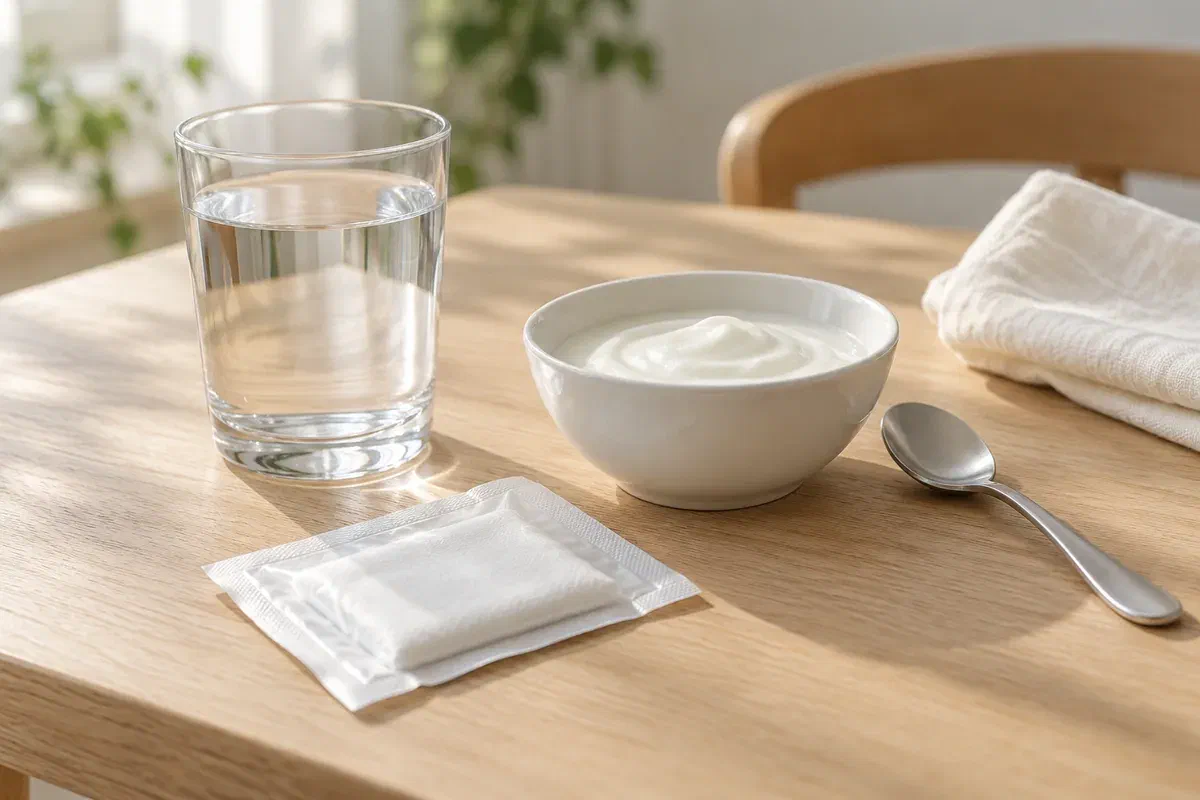
Illustrative recovery supplies with water, a soft-food bowl, and packaged gauze
Signs to describe on the phone

Bleeding, pain, and the site itself each tell part of the story.

Give the team a plain account of what is happening so they can set the right urgency. A website form is not suitable for a concern that needs attention straight away.

Oozing or bleeding that restarts

Say whether you see light staining or blood flowing from the socket, and how you have applied pressure so far. Name any blood thinner, aspirin, or antiplatelet medicine you take. Bleeding that keeps going needs professional advice, and feeling faint or unwell makes that more pressing.

Discomfort that grows or comes back

Note when the ache began, whether it is building, and whether it faded before returning. A fever, a foul taste, or a stiff jaw is worth mentioning. These details help with planning, although only an examination can tell whether the cause is a dry socket, infection, or something else.

Stitches, feeling, or the look of the socket

Describe a stitch that has worked loose, numbness that has lingered, or an area that looks unexpected to you. Resist the urge to lift the gum or check it with a fingertip or toothpick. Altered feeling that lasts longer than you were told deserves a call to the treating clinician.

Heavy bleeding that will not stop, trouble breathing or swallowing, swelling that is spreading fast, or feeling seriously ill needs emergency medical care. In an immediate emergency, dial 911 instead of waiting on a reply or a routine appointment.

What you gain from a review

An examination that accounts for your health, not just the calendar.

The clinician first needs to understand the extraction itself and how you have felt day by day. From there you can ask whether the findings look like normal healing or something that needs attention. Honest advice will say so when a closer look is needed, rather than relying on the number of days since the appointment.

A review is also a good moment to go back over instructions that blurred together on the day. Medication timing, eating, cleaning, and how active to be can all be discussed in light of your own routine. Written notes and a named contact help a lot if your family doctor, a specialist, and a dental office are all involved.

Attention to the problem you raised

Where needed, the clinician examines the socket and the surrounding area with the original procedure in mind. Ask what the findings mean and whether notes from the treating office would help. Depending on the cause, you may leave with reassurance, local care, or a referral.

Pain relief checked against your prescriptions

Bring your medicine list or the containers themselves. Ask which pain relievers are suitable with your conditions and other prescriptions. Keep to the recommended dose, check for overlapping ingredients, and never take old antibiotics for a problem that has not been diagnosed.

A follow-up plan you can write down

Ask whether another visit is needed for stitches, a dressing, healing, or a later decision about replacing the tooth. Confirm which changes should prompt an earlier call and who answers outside clinic hours. Feeling better for a day or two does not settle every outstanding care need.

What happens after you call

Four steps, from your first description to a clear plan.

There is no need to name the complication. Explain what you are seeing, how it has shifted, and what you have tried so far, and the team will take it from there.

  1. Share the procedure and your health picture

    Give the extraction date, the office involved, and whether a graft, implant, or other treatment happened at the same time. List your medicines and relevant conditions and mention the instructions you were given. Explain where your recovery has departed from them.

  2. Set the urgency

    The team considers bleeding, swelling, pain, your general health, and anything else you report. You may be offered a visit or directed to urgent care. If things change before you are seen, call back rather than assume the first timing still holds.

  3. Examine and discuss the likely cause

    The clinician reviews what is relevant and explains the probable cause or the uncertainty that remains. Some problems are treated at the site, while others need different instructions or further tests. Ask what the suggested care is for and whether it targets the cause or mainly comfort.

  4. Confirm what to do at home and next time

    Before you go, check what changes in your routine and what stays from the original plan. Ask when to return and how to report symptoms that worsen. If another provider still oversees your recovery, confirm what will be shared with them.

Home care for the extraction site

Leave the socket alone and keep to the plan written for you.

The treating clinician’s advice comes first, especially after a surgical removal or an additional procedure. If your instructions leave something out or are unclear, ask rather than blending several online routines together.

Protect the clot through the first day

Usual guidance is to avoid rinsing, spitting, or touching the socket for the first twenty-four hours. While you are still numb, take care not to bite your lip or tongue, and hold off on hot food and drinks. Add any precautions specific to your procedure.

Return to brushing and food gradually

Pick soft foods to start and follow the guidance on cleaning nearby teeth and starting gentle rinses. Avoid scraping the socket or checking it with your tongue. Ask about smoking, vaping, and exercise, since one recovery timeline does not suit every extraction.

Keep blood thinners exactly as prescribed

If the site bleeds, use the pressure method you were given and call for advice if it does not ease. Leave the gauze in place instead of lifting it to look. Never pause an anticoagulant or antiplatelet medicine on your own; that choice rests with the clinician who prescribed it.

Patient information: UCLH — dental extraction aftercare · Royal Devon — post-extraction bleeding and anticoagulant precautions

Where a review can lead

Guidance, treatment at the socket, or a referral onward.

Ask why a recommendation fits your symptoms and the examination. Pain at an extraction site does not automatically mean infection, and different recovery questions call for different responses.

When healing appears to be on track

Clearer instructions and a planned check

The team may describe changes you can expect and help adjust your routine at home. Ask what progress should look like and what would mean calling again. Reassurance should come from the examination and a plan, not a guarantee that discomfort will end on a set date.

When the site itself needs treatment

Local care for a socket problem

A dry socket can sometimes be cleaned and dressed by the clinician to help with symptoms. That is not the same as an infection and does not automatically call for antibiotics. Ask what the treatment aims to do and whether you will be rechecked, and do not place oils, pills, or homemade packing in the socket.

When another level of care is needed

Surgical, medical, or emergency assessment

Ongoing bleeding, possible infection, changed sensation, or another complication may need the original surgical team or another suitable provider. If medicines are part of the issue, your prescriber may need to be involved. Serious warning signs need immediate help, not a routine booking.

Patient information: East Sussex Healthcare — dry socket and symptom management

Old Milton recovery questions

Medicines, healing, and who to call.

Get in touch with the treating team when you are unsure or your symptoms shift. Your health and the details of the extraction affect the advice, especially when medicines or extra procedures are involved.

(905) 876-4488
I take a blood thinner. What should I do if the socket starts oozing again?
Keep taking your medicine as prescribed and use the pressure instructions you were given. Call for advice if the bleeding does not settle or seems heavy, and tell the team exactly which medicine and dose you take. Uncontrolled bleeding needs emergency care.
Can I take my usual arthritis pain pills for the extraction site?
Ask the dentist or your pharmacist first. Some pain relievers interact with other prescriptions or health conditions, and products can share ingredients. Stay within the recommended dose and mention everything you take, including over-the-counter items.
Does diabetes change how I should look after the socket?
Your health history can affect healing and the advice you receive, so mention diabetes to whoever treats you. Follow the instructions given for your procedure and call if pain, swelling, or other symptoms worsen instead of improving.
Is a sudden ache several days later a sign the site is infected?
It can have several causes, including dry socket, and it needs an examination to tell. Describe when the pain changed and whether you have swelling, fever, or a bad taste. Do not start old antibiotics on your own.
Should I worry about how the hole looks when I check it in the mirror?
How a socket looks does not show on its own whether healing is on track. Describe your symptoms and how they are changing, and avoid pulling your cheek back or probing the area. Persistent pain, bleeding, or swelling may need a closer look.
My dentist retired after the extraction. Who handles follow-up?
If the original office can still be reached, start there for the procedure details. If not, call us, explain what happened, and we can discuss assessment and what information would help. Severe warning signs need emergency care first.
Old Milton post-extraction care

Have your medicine list and the extraction date close at hand.

Phone our Bronte Street practice at (905) 876-4488 to talk about a recovery concern and when an assessment could be arranged. Having the extraction date, treating office, aftercare sheet, and a current medicine list ready will help the team understand your situation.

Recovery and follow-up needs differ with each procedure and health history. Use online forms only for non-urgent questions; call about symptoms that are getting worse and seek emergency medical care for serious warning signs.

Visit Milton Dental Clinic
Unit 1, 342 Bronte St. S, Milton, ON L9T 5B7
Get directions Clinic hours
Monday–Thursday
11am–7pm
Friday–Sunday
By appointment only

Areas we serve

  • Milton
  • Oakville
  • Mississauga
  • Georgetown
  • Halton Hills
  • Acton
  • Campbellville
  • Brampton
  • Burlington
  • Puslinch
  • Rockwood
  • Erin
  • Caledon
  • Etobicoke
  • Old Milton
  • Bronte Meadows
  • Timberlea
  • Dorset Park
  • Dempsey
  • Clarke
  • Beaty
  • Coates
  • Harrison
  • Scott
  • Willmott
  • Ford
  • Bowes
  • Cobden
  • Walker
  • Mountain View
  • Milton Heights
  • Hawthorne Village
  • Valley View
  • Fallingbrook
  • Nassagaweya
  • Trafalgar
  • Esquesing
  • Nelson
  • Brookville
  • Moffat
  • Glen Williams
  • Norval
  • Limehouse
  • Stewarttown
  • Ashgrove
  • Hornby
  • Silver Creek
  • Speyside
  • Scotch Block
  • North Oakville
  • River Oaks
  • Glen Abbey
  • West Oak Trails
  • Palermo
  • Bronte Creek
  • College Park
  • Joshua Creek
  • Uptown Core
  • Preserve
  • Iroquois Ridge
  • Lisgar
  • Meadowvale
  • Meadowvale Village
  • Churchill Meadows
  • Erin Mills
  • Central Erin Mills
  • Streetsville
  • East Credit
  • Creditview
  • Heartland
  • Sheridan
  • Mount Pleasant
  • Credit Valley
  • Huttonville
  • Churchville
  • Springbrook
  • Northwest Brampton
  • Bram West
  • Fletcher's Meadow
  • Fletcher's Creek South
  • Alton Village
  • Orchard
  • Millcroft
  • Headon Forest
  • Tansley
  • Brant Hills
  • Tyandaga
  • Kilbride
  • Lowville
  • Aberfoyle
  • Morriston
  • Arkell
  • Hillsburgh
  • Freelton
  • Carlisle
  • Waterdown
  • Flamborough
  • Mountsberg

How can we help?

Milton Dental Clinic

Have a question about your smile? Choose the option that works best for you.

For urgent dental concerns, please call.
Messages are reviewed during clinic hours.