

Illustrative patient describing a painful dental concern to a clinician
Specialized Care

Severe Dental Pain Treatment in Rockwood

When a tooth hurts this much, “just take it out” can sound like the easiest answer. Call (905) 876-4488 first to describe the pain and discuss how soon you can be seen. Breathing or swallowing difficulty, spreading swelling, or serious illness means emergency care comes first.

Rockwood · a decision made in pain

Pull it, or save it?

By the third bad night, many people arrive with their mind made up: whatever it takes, get rid of the tooth. That feeling is completely human. Yet the choice between removing a tooth and keeping it has consequences for years of chewing, and it deserves the same clear thinking you would give any other permanent decision, even when you are hurting.

Several problems can drive severe pain, including deep decay, a crack, an inflamed or infected nerve, gum disease, recovery from recent dental work, or a source outside the teeth entirely. Some are best treated by keeping the tooth, some by removing it, and some by looking elsewhere. Without an examination, nobody can say which applies, and the sorest tooth is not always the one causing trouble.

From Rockwood or elsewhere in Guelph/Eramosa, please phone (905) 876-4488 before you make the trip. Appointments are arranged according to symptoms and what is free. If we are not reachable and you need dental care without delay, try another emergency dental provider. Urgent bookings can’t be handled by email or through our website.

Book a non-urgent consultation
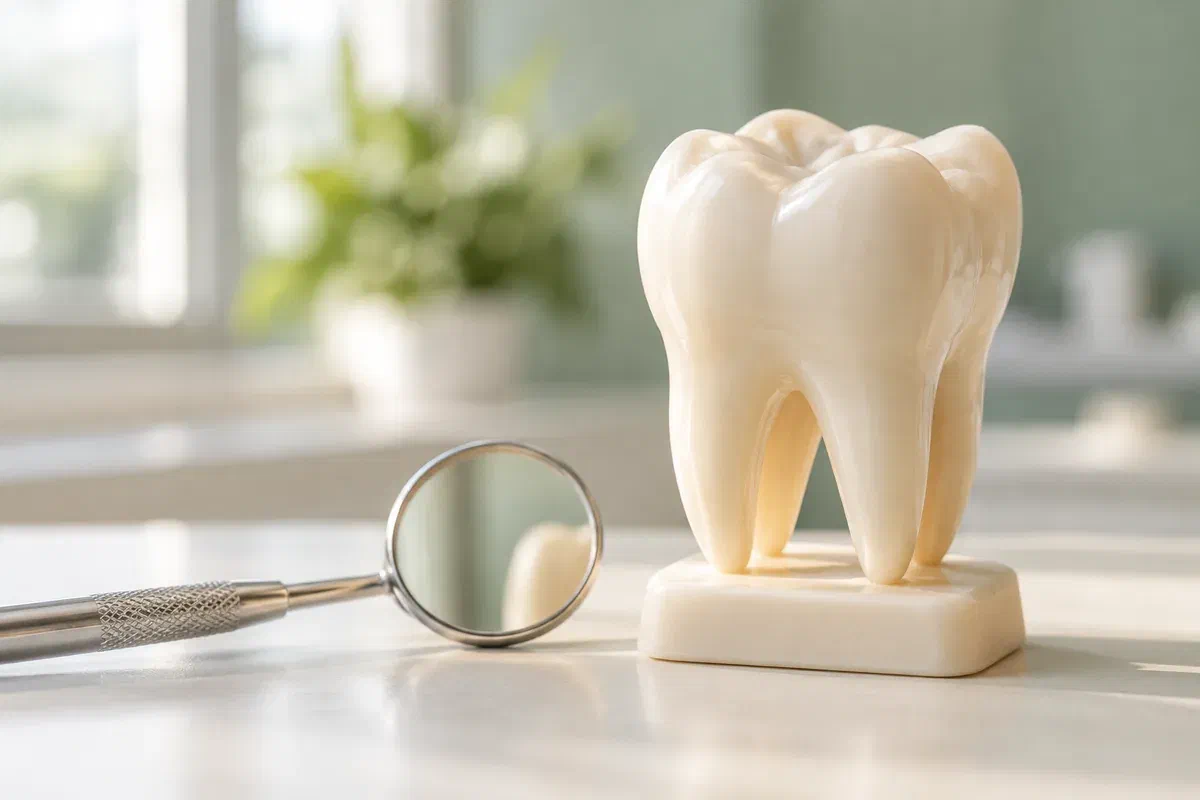
Illustrative molar teaching model and mirror representing a dental assessment
Tell us what you’re living with

Pain, swelling and history all shape the plan

Naming the problem isn’t expected. Open with whatever is hardest to cope with, then explain when it began, how it has changed and whether you’ve had dental work or a blow to the mouth recently.

Pain that won’t ease, steals sleep or stops you chewing

Let us know if the pain comes by itself or follows biting, cold or heat, and how long each bout lasts. Is it spreading or changing? Note what you have taken for it and how much it helped. Resist the urge to keep pushing on the tooth to check.

Swelling, fever, or a jaw you can’t open properly

Raise these early in the call, and say whether swelling is increasing or you feel ill. These signs can change both the urgency and the right place for care. If the ache lessens while swelling expands, take that as a cue to call, not to relax.

Trouble following a procedure or an accident

Share when the work or injury happened and whether you had been getting better. Bring written aftercare notes and the name of the dentist involved. That helps distinguish expected recovery from a complication that needs care.

Call 911 at once for difficulty breathing or swallowing, swelling spreading fast toward the throat or an eye, or bleeding that won’t stop with pressure. Jaw pain accompanied by chest pressure, shortness of breath, sweating, nausea or light-headedness can signal a heart attack and is not a toothache to sit on.

Before anything permanent

Make the call on the tooth with the facts in front of you

Removing a tooth that isn’t the source of the pain leaves you with a gap and the same pain. So ask the dentist what the examination shows, which findings support it, and whether further tests or a second opinion would help before anything irreversible happens. A clear diagnosis is the basis for a choice you won’t regret.

You can also ask how urgent the permanent decision really is. Sometimes the first appointment can ease the pain and buy time to weigh options, and sometimes a lasting treatment makes sense on the day. Ask what was done, what is still to decide, and what would prompt an earlier review.

A diagnosis you can weigh

Your account, the examination and suitable tests are interpreted together. Tell the dentist if pain shifts or seems to come from several teeth. Where the cause isn’t certain, that should be said, along with how it will be clarified.

Keeping and removing, compared side by side

Ask what saving the tooth would involve, how many visits it might take and its limitations, and what removal would mean for your bite and the teeth next to it. Being in pain doesn’t take away your right to understand both paths before choosing.

Knowing what happens next

Find out how recovery from each option normally goes, any temporary limits and where to turn if symptoms shift. Ask whether follow-up is booked or a specialist could help. Written notes make it easier to think things over at home.

The path through the appointment

Rule out the urgent, then understand the tooth

Share your medical history, pregnancy, allergies and all medicines and supplements, including those from the pharmacy. They affect the assessment, safe pain advice and which treatments suit you.

  1. Hearing your symptoms and checking for danger signs

    You describe how it started, what triggers it, how severe it is and any swelling or fever. The team weighs whether a dental appointment fits or medical care must come first. If you get worse while waiting, call again rather than holding on.

  2. Assessing whether the tooth can be kept

    The dentist examines the tooth, gums and surrounding structures and may use tests and suitable X-rays to judge how much healthy tooth remains. Mention pain in the face or ear. Ask what the results show and what is still uncertain.

  3. Laying out the choices

    Recommendations rest on the diagnosis, the state of the tooth and your general health. Go over the aim of each option, the key risks and what can be done today. If medicine is suggested, ask how it fits with treating the cause.

  4. Settling follow-up and warning signs

    Confirm whether further visits are needed to complete treatment, and get instructions for any temporary repair or extraction site. Check medicine directions. Know who to call if pain stays severe, swelling appears or symptoms change.

While you decide, or while you heal

Stay comfortable and keep your options open

What you do now depends on the diagnosis and any treatment given. If you’re waiting to be assessed, a pharmacist or dentist can recommend short-term relief that suits your health and medicines.

Respect the dose

Use pain relievers only as labelled or advised, and check before combining products with shared ingredients. Avoid extra doses, never use another person’s prescription, and don’t place aspirin directly on the tooth or gum.

Avoid making things worse at home

Don’t pierce a swelling, file the tooth, try to wiggle it loose or drain anything yourself. Eat and clean as advised, and stop testing your bite. Call if eating, drinking or brushing becomes difficult.

Return to finish the plan

Tell the dentist how symptoms have changed and keep the next appointment, whether that’s a root canal stage, a restoration or a post-extraction check. Feeling better doesn’t mean the cause is resolved. Ask before cancelling care.

Weighing the options

How badly it hurts says little about whether the tooth can stay

Ask why a particular option suits your diagnosis and what it would mean for chewing and nearby teeth years from now. The choice should account for the tooth’s condition, the alternatives and the further care involved.

If a contained problem can be fixed

Repair or adjustment

A broken filling, a high bite or another treatable issue might be managed with a repair or adjustment. Ask whether it’s a short-term measure or a lasting one and what protection it needs once treated. Any visible problem still has to fit your symptoms before it’s blamed.

If the nerve or remaining structure is the deciding factor

Root canal treatment or extraction

Both may be discussed depending on the diagnosis. Ask how restorable the tooth is, what rebuilding it would take and the long-term implications of losing it. Severe pain is not proof that a tooth can’t be saved, and it doesn’t make either option mandatory.

If the decision needs more information

Further assessment or a specialist opinion

Pain that’s hard to locate or doesn’t fit the findings may need more evaluation, sometimes from a specialist. Ask about the interim plan and urgency. It’s reasonable to avoid removing or treating a tooth until there is a clear reason to.

Patient information: American Dental Association — treating dental causes rather than routinely prescribing antibiotics

Rockwood questions about keeping or removing a tooth

Decisions that last longer than the pain

Call about severe or worsening symptoms so we can discuss urgency and timing. These answers are general; any decision about your tooth depends on an examination and what it shows.

(905) 876-4488
Is pulling the tooth the fastest way to stop the pain?
It may seem so, but if the tooth isn’t the source, the pain can continue. Other treatments may also relieve pain while keeping the tooth. The dentist examines first so the option you choose is aimed at the actual cause, and explains how quickly each might bring relief.
What happens to my bite if I lose a back tooth?
A missing tooth can affect chewing, and neighbouring and opposing teeth may shift over time. Whether that matters for you depends on which tooth it is and the rest of your mouth. Ask the dentist about the effects and the options for replacing it later.
Can a tooth that hurts this badly still be saved?
Often it can, depending on the diagnosis and how much sound tooth remains. Root canal treatment or a repair may be possible. The dentist can explain whether the tooth is restorable and what that would involve, including the visits and further restoration needed.
Can I have a temporary fix now and decide on the tooth later?
Sometimes. In some situations the first visit can ease pain and allow time to consider options. Ask whether that is safe in your case, what the temporary measure does and how long it is meant to last before a permanent decision is made.
Do I need antibiotics before a painful tooth can be treated?
Not routinely. Many dental causes of pain are managed by treating the tooth or gums directly. Whether an antibiotic is appropriate depends on the diagnosis, any spreading infection and your health, so ask what any proposed medicine is meant to do.
Is it safe to keep taking pain medicine while I decide?
Only within the label or your clinician’s directions. More than recommended can be harmful and doesn’t treat the cause. Ask a pharmacist about suitable options for your health and other medicines, and contact an urgent dental provider if pain stays severe.
Calling from Rockwood

Talk it through with us before you decide

Phone (905) 876-4488 before setting out for Milton Dental Clinic. Describe the pain, any swelling and any recent dental work or injury. Should we be unavailable when immediate dental care is needed, reach out to another emergency dental provider.

Email and our website form are for matters that can wait. For a medical emergency, phone 911.

Visit Milton Dental Clinic
Unit 1, 342 Bronte St. S, Milton, ON L9T 5B7
Get directions Clinic hours
Monday–Thursday
11am–7pm
Friday–Sunday
By appointment only

Areas we serve

  • Milton
  • Oakville
  • Mississauga
  • Georgetown
  • Halton Hills
  • Acton
  • Campbellville
  • Brampton
  • Burlington
  • Puslinch
  • Rockwood
  • Erin
  • Caledon
  • Etobicoke
  • Old Milton
  • Bronte Meadows
  • Timberlea
  • Dorset Park
  • Dempsey
  • Clarke
  • Beaty
  • Coates
  • Harrison
  • Scott
  • Willmott
  • Ford
  • Bowes
  • Cobden
  • Walker
  • Mountain View
  • Milton Heights
  • Hawthorne Village
  • Valley View
  • Fallingbrook
  • Nassagaweya
  • Trafalgar
  • Esquesing
  • Nelson
  • Brookville
  • Moffat
  • Glen Williams
  • Norval
  • Limehouse
  • Stewarttown
  • Ashgrove
  • Hornby
  • Silver Creek
  • Speyside
  • Scotch Block
  • North Oakville
  • River Oaks
  • Glen Abbey
  • West Oak Trails
  • Palermo
  • Bronte Creek
  • College Park
  • Joshua Creek
  • Uptown Core
  • Preserve
  • Iroquois Ridge
  • Lisgar
  • Meadowvale
  • Meadowvale Village
  • Churchill Meadows
  • Erin Mills
  • Central Erin Mills
  • Streetsville
  • East Credit
  • Creditview
  • Heartland
  • Sheridan
  • Mount Pleasant
  • Credit Valley
  • Huttonville
  • Churchville
  • Springbrook
  • Northwest Brampton
  • Bram West
  • Fletcher's Meadow
  • Fletcher's Creek South
  • Alton Village
  • Orchard
  • Millcroft
  • Headon Forest
  • Tansley
  • Brant Hills
  • Tyandaga
  • Kilbride
  • Lowville
  • Aberfoyle
  • Morriston
  • Arkell
  • Hillsburgh
  • Freelton
  • Carlisle
  • Waterdown
  • Flamborough
  • Mountsberg

How can we help?

Milton Dental Clinic

Have a question about your smile? Choose the option that works best for you.

For urgent dental concerns, please call.
Messages are reviewed during clinic hours.