

Illustrative adult consultation about the dental part of sleep-apnea care
Specialized Care

Sleep Apnea Dental Assessments

Dental assessment can help determine whether your teeth, gums, and jaw are suitable for an oral appliance within a medical sleep-apnea plan. Discuss your diagnosis, existing treatment, and dental considerations with our Milton team.

A closer look at dental assessment for sleep apnea

Connect the dental findings with the medical sleep-treatment plan.

A sleep-apnea dental assessment looks at the oral-health considerations that may affect an appliance used as part of an agreed treatment plan. It does not replace medical diagnosis or determine the severity of sleep apnea from the appearance of the mouth alone. The medical and dental parts of care answer different questions and should be coordinated.

For an adult considering an oral appliance, the clinician reviews the teeth, gums, restorations, bite, and jaw function alongside the medical recommendation. The aim is to understand whether a suitable device could be supported and monitored, what dental issues need attention first, and what limitations or risks should be discussed. Assessment does not guarantee that an appliance will be appropriate.

At Milton Dental Clinic, tell us whether you already have a diagnosis, a sleep-study report, or a recommendation from your medical provider. Bring information about current treatment and any appliance you already use. We can discuss the dental assessment and the coordination or referral needed to clarify the next step.

Discuss a sleep-related dental assessment
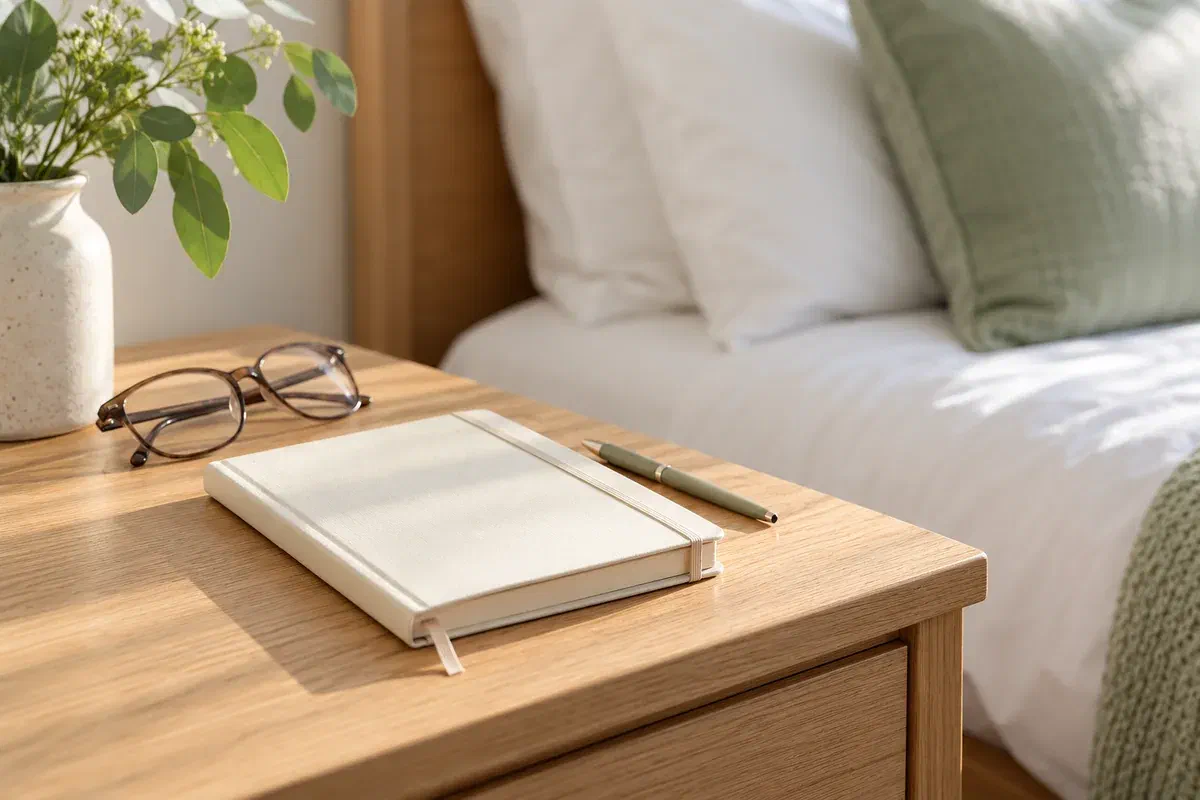
Illustrative sleep journal and glasses beside a bed in morning light
What brings people to this assessment

Start with your diagnosis, current treatment, and the questions still unanswered.

Some people are exploring an appliance after a medical consultation; others first mention sleep symptoms at a dental visit. Explain where you are in that process so the appropriate assessment can be arranged.

A diagnosed condition and questions about an oral appliance

Bring the medical recommendation and explain what you understand about the type of sleep apnea and existing care. Ask whether the information is sufficient for dental planning or whether contact with the sleep provider is needed. A device should be considered within that plan rather than chosen independently.

Difficulty with current treatment or an existing device

Describe the difficulty clearly, including discomfort, practical barriers, or a device that no longer fits. If you use PAP therapy, discuss problems with the prescribing team rather than stopping it because a dental appointment is booked. The appropriate alternative depends on medical and dental considerations together.

Snoring, witnessed pauses, or daytime sleepiness without a diagnosis

Tell your medical provider about these symptoms and seek the appropriate sleep assessment. Dental findings or a questionnaire cannot establish the diagnosis by themselves. A consultation can help clarify the dental role, but it should not turn an unexplained sleep concern into an automatic appliance purchase.

Do not drive when sleepy. Seek prompt medical advice about significant daytime sleepiness or breathing concerns, and tell healthcare providers about diagnosed sleep apnea before sedation or surgery. Immediate breathing difficulty while awake or another medical emergency requires emergency help.

What the dental review can clarify

Know whether the mouth is ready and what follow-up an appliance would involve.

The assessment can identify dental issues that may affect the feasibility or timing of appliance care. Ask which findings matter, whether they can be addressed, and what another provider would need to know. A discussion of suitability should include the care involved after fitting, not only whether a device can be made.

It also creates an opportunity to set expectations about comfort, changes in the bite, and treatment effectiveness. A device that feels comfortable is not necessarily controlling sleep apnea. Ask how the medical team will evaluate the response and how the dental provider will monitor the teeth, tissues, and jaw over time.

Patient information: AASM and AADSM — oral appliance therapy and coordinated follow-up

A review of the teeth and supporting tissues

The clinician considers the condition of the teeth, existing restorations, and gum support in relation to the proposed appliance. Ask whether active dental care should come first. A recent crown, loose tooth, or planned restoration may be relevant to fit and coordination rather than a minor detail to omit.

A baseline for the bite and jaw function

Discuss pain, locking, limited movement, and any previous jaw treatment. Recording the starting condition helps later review of comfort and possible changes. Existing symptoms do not all lead to the same decision, but they should be understood before a device is selected or advanced.

An agreed division of medical and dental follow-up

Ask who is responsible for the sleep diagnosis, prescribing decisions, device review, and assessment of treatment effectiveness. Clarify how information will be shared. This helps prevent a gap where the device is checked for fit but no one confirms that the sleep condition is adequately treated.

How the assessment is organized

Bring the medical information into the dental conversation from the beginning.

An assessment is a decision-making visit, not a commitment to an appliance. Ask for an explanation of any missing information, the available choices, and the sequence of care before proceeding further.

  1. Review the sleep diagnosis and current care

    Discuss the report or referral, relevant health conditions, medicines, and treatment already tried. Explain what prompted interest in an oral appliance. If there is no diagnosis or the records do not answer important questions, clarify which medical assessment is needed before dental treatment planning can progress.

  2. Examine oral health, the bite, and jaw function

    The clinician assesses relevant teeth, tissues, restorations, and movement, using appropriate records where needed. Tell them about planned dental work and any current device. Ask how each significant finding affects suitability, timing, or the need for a more specialized dental opinion.

  3. Discuss suitability, limitations, and treatment pathways

    Review whether an appliance is a reasonable option within the medical plan and whether dental care is needed first. Ask about potential tooth, gum, jaw, and bite effects, as well as practical use and maintenance. Confirm the provider and referral arrangements without assuming every device or service is available locally.

  4. Agree on records, coordination, and future review

    If appliance care proceeds, clarify who will provide it and how fitting, adjustments, and medical evaluation will be organized. If it does not, ask how the findings will be communicated to the sleep provider. Leave with a next step rather than an unexplained decision that an appliance is or is not suitable.

After the assessment

Keep the medical plan in place while the dental questions are resolved.

The next step may be obtaining records, completing dental treatment, arranging a referral, or proceeding with coordinated appliance care. Ask which tasks are yours and which will be handled between providers.

Follow through on requested records and dental care

Provide the relevant report or provider details and complete any agreed oral-health treatment. If a restoration or tooth condition changes while an appliance is being planned, tell the treating team. Information that affects fit should be considered before making a device rather than discovered at delivery.

Discuss treatment changes with the prescribing provider

Do not stop prescribed PAP therapy or replace it with an over-the-counter mouthpiece because a dental assessment has taken place. If treatment is difficult, explain the problem to the medical team. Ask how any transition would be managed so there is no unplanned period without appropriate care.

Plan both dental monitoring and effectiveness review

If an appliance is supplied, ask how to report discomfort, bite changes, or a fit problem and when follow-up is due. Follow the sleep provider's plan for checking effectiveness. Quieter snoring or feeling more rested may be useful observations, but they do not replace appropriate objective evaluation.

Choosing the appropriate next step

An oral appliance is one possible part of care, not the default answer to snoring.

The decision should reflect the medical diagnosis, treatment recommendations, oral health, and your preferences. Ask what each pathway would involve and how the response would be assessed.

When diagnosis or the medical plan needs clarification

Medical assessment or review of current treatment

Undiagnosed sleep symptoms or difficulty with prescribed therapy should be discussed with the medical provider. PAP treatment and other options may be relevant depending on the condition. A dental consultation can support coordination, but it cannot determine the full sleep-treatment plan from oral findings alone.

When oral-health findings need attention first

Dental preparation or specialist suitability assessment

The mouth may need treatment or a more focused opinion before an appliance is considered. Ask which issue is being addressed and whether it changes the device options or timing. Completing dental care does not guarantee suitability; the overall medical and dental picture still guides the decision.

When medical and dental assessment support this approach

A custom appliance within an agreed treatment pathway

A suitable custom device may be considered with a qualified provider, accompanied by instructions, adjustments, and continuing review. Ask how effectiveness will be confirmed and what alternatives remain if it is not sufficient. An ordinary grinding guard is not interchangeable with a prescribed sleep-apnea appliance.

Patient information: NHLBI — PAP therapy, oral devices, and other sleep-apnea treatment options

Questions before a sleep-apnea dental assessment

Clarify what the dental visit can answer and what needs medical input.

Bring the sleep report or referral if you have one, along with questions about your mouth and current treatment. A clear starting point helps the providers coordinate the appropriate next step.

(905) 876-4488
Can a dentist diagnose sleep apnea just by looking at my teeth and airway?
No. Oral findings and screening questions may identify reasons to seek medical assessment, but they do not establish the diagnosis or severity by themselves. A medical provider evaluates the sleep concern and may arrange testing. Dental assessment addresses oral-health suitability and coordination within that care pathway.
What sleep-related records should I bring to a dental suitability assessment?
Bring the available sleep-study report, diagnosis or referral, current treatment details, and the contact information for your medical provider. Also bring any appliance already in use. If something is unavailable, tell the team so they can discuss how to obtain the information needed for planning.
Should I stop using CPAP before finding out whether an oral appliance is suitable?
Do not change prescribed treatment independently. Discuss any difficulty with the prescribing provider and explain that you are exploring a dental assessment. If an alternative is appropriate, the providers should clarify the transition and follow-up rather than leaving you without an agreed treatment plan.
Can planned crowns or gum treatment affect a sleep-apnea appliance assessment?
Yes. Changes to teeth, restorations, or their supporting tissues can affect fit and planning. Tell the assessing clinician about upcoming dental work and current oral-health concerns. Ask whether treatment should be coordinated or completed first, and how any later changes would be managed.
Is less snoring enough to prove that a dental sleep appliance is effective?
No. Symptom improvement is useful to report but does not by itself confirm adequate control of sleep apnea. The medical provider should arrange the appropriate effectiveness assessment, which may include follow-up sleep testing. Dental checks separately monitor fit, oral tissues, jaw comfort, and bite changes.
Does a comfortable nightguard mean my mouth is suitable for sleep-apnea appliance therapy?
Not necessarily. A grinding guard and a sleep-apnea appliance have different purposes and designs. Suitability requires review of the medical plan and relevant dental findings. Bring the guard to the assessment, but do not assume that it treats sleep apnea or predicts how another device will perform.
Discuss the dental side of sleep care in Milton

Bring your diagnosis and your questions about oral-appliance suitability.

Contact Milton Dental Clinic to discuss a sleep-apnea dental assessment and the records that would be useful. Tell us about current treatment, existing appliances, and planned dental work so the appropriate coordination or referral can be considered.

Medical diagnosis and treatment-effectiveness review remain part of coordinated sleep-apnea care.

Visit Milton Dental Clinic
Unit 1, 342 Bronte St. S, Milton, ON L9T 5B7
Get directions Clinic hours
Monday–Thursday
11am–7pm
Friday–Sunday
By appointment only

How can we help?

Milton Dental Clinic

Have a question about your smile? Choose the option that works best for you.

For urgent dental concerns, please call.
Messages are reviewed during clinic hours.