

Illustrative adult consultation about the dental part of sleep-apnea care
Specialized Care

Sleep Apnea Dental Assessments in Georgetown

Getting an oral appliance is only the beginning; knowing whether it works, and keeping your teeth and jaw healthy while you wear it, takes ongoing care. For adults in Georgetown, the dental assessment sets up that long view before any device is made.

Thinking past the fitting day

How will anyone know the appliance is working?

It is worth asking that before a device is ever made. People often judge an appliance by how quiet the bedroom gets or how they feel at breakfast. Those signs matter, yet they cannot confirm that sleep apnea is properly treated. Planning for real follow-up starts at the dental assessment.

At that first visit, the clinician looks at the teeth, gums, crowns and fillings, your bite and jaw movement, all with your physician's recommendation in mind. The goal is to judge whether a device could be supported and kept under review, which dental problems need attention first, and which risks you should know about over months and years of use. Sleep apnea is diagnosed and graded through medical evaluation, not by examining the mouth, and an assessment never guarantees that an appliance will be suitable.

If you are booking from Georgetown, tell us whether you already have a sleep-study report, a referral, or a device that was made some time ago. Bring details of current therapy. Dr. Zoha Anjum can then explain how dental reviews and medical checks would fit together.

Ask how follow-up would work
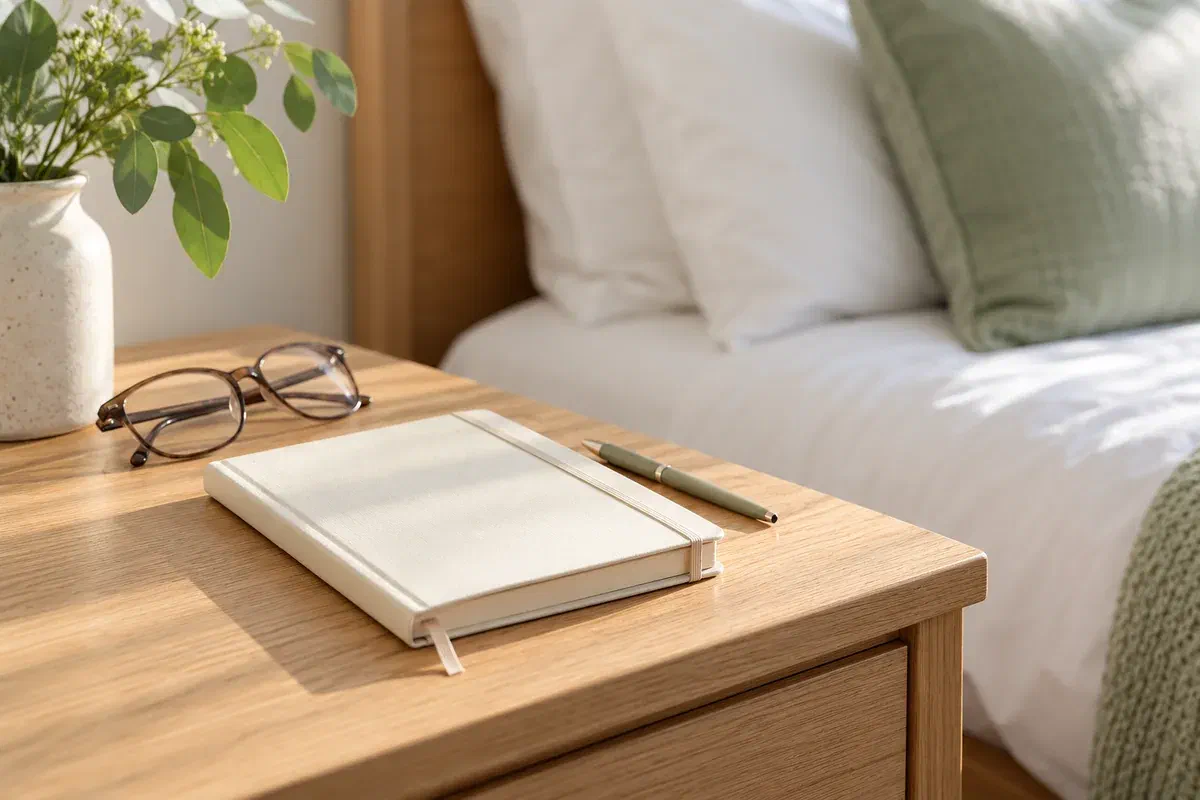
Illustrative sleep journal and glasses beside a bed in morning light
What usually prompts a visit

A recommendation, a problem with therapy, or symptoms to investigate

Where you are now shapes what the first appointment should accomplish. A brief description when you call helps us prepare.

You were diagnosed and told an appliance might help

Bring the recommendation and what you know about your sleep apnea and current treatment. We will judge whether it is enough to plan from or whether the sleep provider should be contacted. A device should only be considered as one part of that medical plan.

Your present treatment isn't working out

Explain the difficulty plainly, from an uncomfortable mask to an older appliance that has stopped fitting. Keep using PAP as prescribed and discuss the problem with the team that prescribed it. Any alternative is chosen by considering medical and dental factors together.

You have symptoms but no testing yet

Snoring, pauses someone has seen, or tiredness through the day should be raised with your doctor first. A dental exam or questionnaire may hint at a problem, but it cannot confirm one. We can explain dentistry's role without jumping to an appliance.

Avoid driving while sleepy. See a doctor soon about heavy daytime sleepiness or breathing worries, and let providers know about sleep apnea ahead of any sedation or operation. When breathing is difficult while awake, or in any medical emergency, get emergency help at once.

Benefits of planning ahead

Set the follow-up before the device exists.

Dental issues found early can change whether an appliance is practical or when it can begin. The assessment explains which findings matter and which are treatable, and what your sleep provider should be told. Most importantly for the long run, it maps out the reviews that a device will need once you are wearing it.

Three questions deserve separate answers: will it be comfortable, could it change your bite over time, and will it control your sleep apnea? Comfort says nothing reliable about the third. Ask your medical team how they will assess the response, and ask the dental side how often teeth, gums and jaw will be checked.

Patient information: AASM and AADSM — oral appliance therapy and coordinated follow-up

A starting record of the teeth and gums

Teeth, crowns, fillings and gum support are noted with the proposed device in mind. Mention a loose tooth or any crown that is new or planned. That record is what future dental checks compare against, so small details are worth including.

A baseline for jaw and bite

Jaw pain, locking, limited opening and earlier jaw treatment are documented. Some bite change can occur with long-term use, and a clear starting point makes it easier to spot. Existing symptoms are considered individually before any device is chosen or advanced.

A follow-up plan with names attached

Agree who confirms the diagnosis, who prescribes, who reviews the device and who tests effectiveness, and how results are shared. That way, regular fit checks never become a substitute for confirming that the sleep condition is controlled.

What happens in the chair

Four stages, from history to a review schedule

The appointment is about deciding well, not committing to a device. You will hear about missing information, your choices, and the order in which care would happen.

  1. Understanding the medical plan

    We review your sleep report or referral, health conditions, medicines and past treatment. Tell us why an appliance appeals to you. Where a diagnosis is missing or records leave key questions open, we explain which medical step should come before dental planning goes further.

  2. Recording the mouth as it is today

    The clinician examines teeth, tissues, restorations and jaw movement and takes records where useful. These become the baseline for later reviews. Bring any current device and mention planned dental work, and ask how significant findings affect suitability or timing.

  3. Talking honestly about the trade-offs

    We consider whether an appliance is reasonable within your medical plan and whether dental care should come first. Potential changes to teeth, gums, the jaw and your bite are explained, along with daily wear and cleaning. You will know who would provide each part.

  4. Building the review calendar

    When a device is the plan, we outline who supplies it, how fitting and adjustments proceed, and when medical effectiveness testing and dental checks are expected. If not, we explain how findings go to your sleep provider. Either way, you leave with dates and names, not guesses.

The long view

Current therapy continues; reviews keep everything honest.

Soon after the visit you may be collecting records, booking dental work, seeing another provider or beginning a coordinated appliance plan. Clarify which tasks are yours and which the providers will share between themselves.

Tie up records and dental treatment

Send whatever was requested and finish agreed oral-health care. If a tooth or filling changes during planning, let the treating team know quickly. Changes that affect fit are far simpler to handle before a device is made than after it arrives.

Stay on prescribed therapy until told otherwise

An assessment doesn't mean PAP can stop, and a pharmacy mouthpiece is not a replacement. If therapy is a struggle, talk to the medical team about it and ask how a changeover would be timed so treatment never lapses.

Keep both review tracks going

Once a device is in use, know how to report soreness, bite changes or a poor fit, and when your dental check falls. Follow your sleep provider's schedule for confirming effectiveness, even if you feel well. Feeling better is encouraging; objective evaluation is still needed.

Options worth comparing

A mouthpiece is one choice, and snoring alone doesn't make it the right one.

Diagnosis, the medical recommendation, oral health and your preferences all guide the decision. For each route, ask what follow-up it would require and how results would be measured.

When diagnosis or therapy is uncertain

Return to the medical provider

Symptoms that haven't been assessed, or difficulty with prescribed therapy, belong with your physician, who may look at PAP or other approaches. We can help coordinate, but a sleep plan can't be built on oral findings alone.

When oral health needs work

Address dental needs first

Treatment or a more focused dental opinion may be required before any device. Ask what problem is being addressed and how it affects options and timing. Even when that care is complete, suitability depends on the full medical and dental picture.

When both assessments support it

A custom appliance with planned reviews

A qualified provider may make a custom device, with instructions, adjustments and a review schedule agreed in advance. Ask what test will show whether it is working and what happens if it is not enough. A grinding guard is a different device and won't do this job.

Patient information: NHLBI — PAP therapy, oral devices, and other sleep-apnea treatment options

Georgetown questions

Follow-up, effectiveness and living with an appliance

Your sleep records, details of any device you own and your questions are all worth bringing. With a clear starting point, providers can plan follow-up properly.

(905) 876-4488
Will I need another sleep test after getting an oral appliance?
Your sleep provider decides. Follow-up testing is often used to confirm that an appliance is controlling sleep apnea. Ask them what they plan, and let the dental team know so reviews can be coordinated.
How long does a sleep-apnea appliance usually last?
It varies with the device, how it is cared for and changes in your mouth. Regular dental reviews check for wear and fit. Ask the provider who supplies it what to expect and when replacement might be considered.
What should I do if my snoring comes back after months of using an appliance?
Tell your sleep provider, since returning symptoms may need medical review. Also book a dental check, as fit can change gradually through wear, dental work or shifts in the teeth. Don’t try to adjust the device yourself, and keep using any other prescribed treatment while the cause is looked into.
Do I still need regular dental cleanings while wearing a sleep appliance?
Yes. Routine dental care remains important, and the teeth and gums supporting the device should stay healthy. Bring the appliance to checkups so the team can look at it as well, and mention any new filling, crown or extraction planned elsewhere, since changes to the supporting teeth can affect how the device seats.
How do I clean an oral appliance for sleep apnea?
Follow the instructions from the provider who supplies it. Cleaning methods vary by material, and some household products can damage a device. Ask at fitting and again at reviews if you are unsure. Keeping it in its case between uses, away from heat and curious pets, is a sensible habit.
Who should I call first if I notice my bite has changed?
Contact the dental provider who monitors your appliance. They can compare with baseline records and discuss what to do. If you also notice returning sleep symptoms, let your medical provider know.
Start the conversation in Georgetown

Plan the follow-up as carefully as the device.

Get in touch with Milton Dental Clinic about a sleep-apnea dental assessment and which records to bring. Tell us about your current treatment, any appliance you already own, and dental work ahead, so coordination or referral can be planned from the first visit.

Diagnosis and confirming treatment effectiveness stay with your medical sleep provider as part of coordinated care.

Visit Milton Dental Clinic
Unit 1, 342 Bronte St. S, Milton, ON L9T 5B7
Get directions Clinic hours
Monday–Thursday
11am–7pm
Friday–Sunday
By appointment only

Areas we serve

  • Milton
  • Oakville
  • Mississauga
  • Georgetown
  • Halton Hills
  • Acton
  • Campbellville
  • Brampton
  • Burlington
  • Puslinch
  • Rockwood
  • Erin
  • Caledon
  • Etobicoke
  • Old Milton
  • Bronte Meadows
  • Timberlea
  • Dorset Park
  • Dempsey
  • Clarke
  • Beaty
  • Coates
  • Harrison
  • Scott
  • Willmott
  • Ford
  • Bowes
  • Cobden
  • Walker
  • Mountain View
  • Milton Heights
  • Hawthorne Village
  • Valley View
  • Fallingbrook
  • Nassagaweya
  • Trafalgar
  • Esquesing
  • Nelson
  • Brookville
  • Moffat
  • Glen Williams
  • Norval
  • Limehouse
  • Stewarttown
  • Ashgrove
  • Hornby
  • Silver Creek
  • Speyside
  • Scotch Block
  • North Oakville
  • River Oaks
  • Glen Abbey
  • West Oak Trails
  • Palermo
  • Bronte Creek
  • College Park
  • Joshua Creek
  • Uptown Core
  • Preserve
  • Iroquois Ridge
  • Lisgar
  • Meadowvale
  • Meadowvale Village
  • Churchill Meadows
  • Erin Mills
  • Central Erin Mills
  • Streetsville
  • East Credit
  • Creditview
  • Heartland
  • Sheridan
  • Mount Pleasant
  • Credit Valley
  • Huttonville
  • Churchville
  • Springbrook
  • Northwest Brampton
  • Bram West
  • Fletcher's Meadow
  • Fletcher's Creek South
  • Alton Village
  • Orchard
  • Millcroft
  • Headon Forest
  • Tansley
  • Brant Hills
  • Tyandaga
  • Kilbride
  • Lowville
  • Aberfoyle
  • Morriston
  • Arkell
  • Hillsburgh
  • Freelton
  • Carlisle
  • Waterdown
  • Flamborough
  • Mountsberg

How can we help?

Milton Dental Clinic

Have a question about your smile? Choose the option that works best for you.

For urgent dental concerns, please call.
Messages are reviewed during clinic hours.