

Illustrative consultation about an injury to the mouth's soft tissues
Specialized Care

Soft-Tissue Dental Injury Treatment in Halton Hills

A rake handle to the mouth, a tumble in the yard or a fall from a bike onto gravel can leave dirt in a cut lip or gum. Call our team to describe the injury and how it happened, plan dental care, and recognize when medical treatment needs to come first.

Outdoor injuries to the lips, gums and cheeks

Where it happened can matter as much as how big it is.

Across Halton Hills, plenty of mouth injuries happen outdoors: splitting firewood, working in a barn, a spill off a bike on a gravel shoulder, or a child running into a fence post. The lips, gums, tongue and cheek lining are soft and bleed freely. When soil, wood or rust is involved, a small cut can need more careful attention than its size suggests.

Treatment follows the wound itself. Clinicians look at depth and location, whether bleeding continues, how dirty it may be, and whether the teeth or jaw were struck too. A clean, shallow cut may settle with sensible care. A contaminated or gaping one may need professional cleaning, stitches, or a medical setting. A phone call is a reasonable first step either way.

Call (905) 876-4488 and tell us what the mouth hit and when. Let us know if blood is still coming, if a tooth is chipped or wobbly, and whether your teeth meet the way they normally do. We can discuss when to come in and what to do until then. If the injury needs emergency medical care, please go there directly.

Ask about a cut or scrape in the mouth
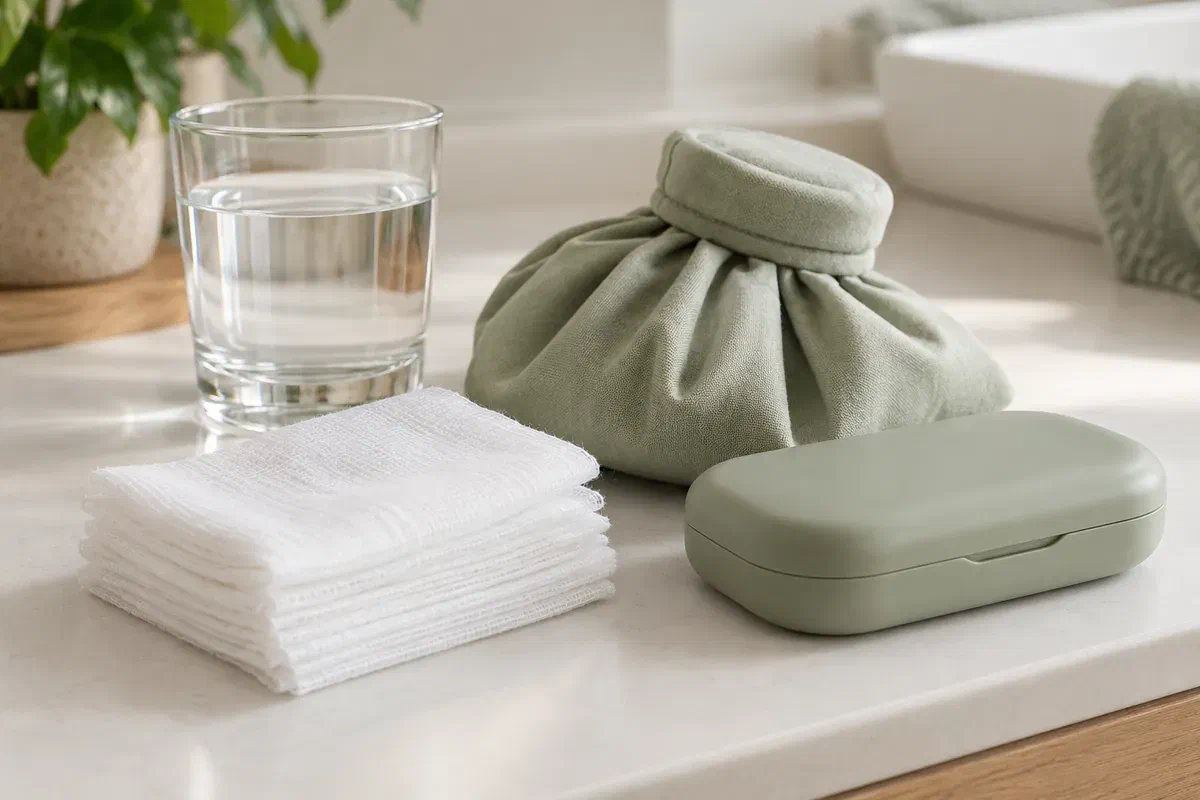
Illustrative clean gauze and a wrapped cold pack prepared for first aid
Three things to describe

Dirt, depth and the rest of the face.

Mud and blood can hide how deep a wound really is. Explain what happened and any symptoms apart from the cut so the team can recommend where and how it should be examined.

A wound that gapes or keeps bleeding

Rinse your hands if you can, then hold clean gauze or a clean cloth over the reachable bleeding point with gentle, unbroken pressure while help is arranged. Avoid lifting it to check. A cut that will not stop bleeding, looks deep, or fills the mouth with blood needs urgent assessment.

Soil, splinters, gravel or a broken tooth

Tell the clinician exactly what made contact and whether a tooth chipped. Grit, wood or a tooth fragment can stay inside the lip without being obvious. Please do not scrub, probe, or try to pick debris out, and do not close the wound yourself.

Signs the jaw or head was hit hard

Mention a bite that has changed, a jaw that resists opening, a heavy impact to the face, feeling faint or sick, or passing out, however briefly. These may need medical care alongside dental treatment. A muddy lip should not distract from a more serious injury.

Call 911 for trouble breathing, unconsciousness, or bleeding that is severe and continuous. Major facial injuries or concerning symptoms after hitting the head need urgent medical assessment, and should not wait for a dental opening.

What an examination adds

A cleaner wound, a checked bite, and a plan you understand.

An in-person assessment lets the clinician see the wound properly, judge how contaminated it is, and decide whether local care will do or whether something more is needed. Ask what has been checked and what remains uncertain. Cleaning, observing, closing or referring should be chosen for this wound and this person, not for how dramatic the scene looked.

You also leave with a sense of what comes next. Gums and lips often mend inside a week, whereas a tooth struck by a tool or a fall can keep its secrets for much longer. Ask whether a dental review is still advised after the cut settles, and what kind of change would justify coming in early.

Patient information: Alder Hey — assessment and treatment of mouth soft-tissue injuries

Deal with contamination properly

Soil, rust and animal surfaces raise questions that a clean kitchen cut does not. The clinician can consider careful cleaning, further investigation or medical input, including whether your tetanus immunization is current. Avoid pouring harsh chemicals into the wound or using a homemade tool to clean it.

Check the teeth and how they come together

Report a tender tooth, slight movement, a sharp new edge or a bite that feels off. Lip and gum injuries regularly come with dental damage. A wound that is healing well can still sit next to a tooth that needs treatment or a later check.

Know where care belongs

Ask whether this wound can be treated at the dental visit or should be seen by a hospital or surgical team. If referral is suggested, confirm where to go and how quickly. That clarity matters more than assuming one office can manage every injury.

A Halton Hills injury visit, step by step

From what happened to what happens next.

Share the first aid you used, any medicine since the accident, and care from a walk-in clinic or hospital. Bring discharge notes and tooth pieces that travel safely, but never delay urgent help to retrieve them.

  1. Hear the story and spot what is urgent

    We ask what struck the mouth, when, how heavily it bled and what else you feel. That helps the clinician judge whether dental assessment is the right start or medical care is needed first. Mention health conditions, any blood thinner and allergies; stopping a prescribed medicine on your own is not advised.

  2. Inspect the wound, the teeth and the bite

    The injured tissue, the neighbouring teeth and the way they close are checked as needed. Point out any lost fragment or an area that feels gritty. X-rays or another clinician’s opinion may be recommended, though a minor scrape does not need every test available.

  3. Decide on cleaning, stitches or a referral

    Ask why a particular treatment fits and how you will be kept comfortable. Contaminated wounds may need especially careful cleaning; others need closure or a different setting. The clinician explains the choices and limitations before beginning non-emergency care.

  4. Set up home care and who checks it

    Find out what to eat, how to keep the area clean and how to handle soreness without disturbing it. Confirm whether stitches dissolve or need removal, and by whom. Plan tooth follow-up as its own item, so a healed lip is not mistaken for the end of dental care.

Healing at home

Keep it clean, keep it still, and watch for change.

What you do next depends on the wound, any stitches and any tooth damage. Follow the instructions from the person who treated it instead of an extraction routine or a product sold for something else.

Avoid tugging, biting or picking

Pulling the lip outward to look stretches the healing tissue every time. Choose foods that feel easy and keep teeth away from swollen or numb spots. Should a sharp tooth or appliance keep catching the wound, phone the dentist so the cause can be fixed.

Clean the way you were shown

Ask which teeth can be brushed normally and whether a rinse makes sense for the person’s age and injury. Skip scrubbing, farm or household disinfectants, and aspirin laid against the gum. Advice about medicines and mouthwash should fit your situation, not a general website.

Look for signs of infection or slow healing

Call for advice about bleeding that returns, swelling or pain that increases, discharge, fever, or a wound that stops improving. Report a tooth that turns sensitive, loose or discoloured. These deserve a look even when the original cut seemed small.

How treatment is chosen

Clean and watch, close, or treat the tooth too.

Ask what each recommendation is intended to do and how it will be reviewed. Wound closure, dental repair and a medical assessment each cover different parts of an injury, and some accidents call for more than one.

When the assessed wound can heal without stitches

Careful cleaning and observation

Smaller wounds often do well once they are properly cleaned and protected, with a review if indicated. Ask what healthy progress looks like and when to get back in touch. A choice against stitches should rest on examination, not on how long the cut looks.

When depth or contamination calls for more

Stitching or specialist wound management

Deep, gaping, heavily soiled or complex wounds may need closure or care from a hospital or surgical service. Ask who will treat it and how soon. Never use household glue or trim damaged tissue at home.

When the blow also reached the teeth or gums

Separate care for an injured tooth

A tooth that broke, moved or took a hard hit may need its own treatment beside the wound care. Ask what the exam found and whether further visits are expected. Healed soft tissue does not prove the inside of the tooth is healthy.

Patient information: AAE — dental trauma and the importance of follow-up

Outdoor injury questions in Halton Hills

Answers for cuts that happen far from a clean countertop.

These answers are general and cannot replace an examination. With urgent symptoms, phone or seek emergency care instead of waiting on an online request.

(905) 876-4488
Do I need a tetanus shot after cutting my lip on something rusty?
It depends on your immunization history and the wound. Tell the clinician what caused the cut and when you last had a tetanus vaccine. They may advise checking with your doctor or a medical service.
Should I rinse dirt out of a mouth cut before calling?
A gentle rinse with clean water may help remove loose dirt, but do not scrub or dig into the wound. Apply gentle pressure if it is bleeding, and call to describe what happened. Deep or heavily contaminated wounds need professional cleaning.
My child fell off a bike and the gum is scraped. Do the teeth need checking?
It is a good idea to call and describe the fall. Teeth can be injured without obvious damage. Report any tenderness, movement or a changed bite, and seek urgent care for signs of a head injury.
Can a splinter stay inside the lip without me noticing?
It can. If something wooden or sharp struck the mouth and an area feels lumpy, scratchy or keeps hurting, tell the clinician. Do not try to remove it yourself.
We live in a smaller hamlet. Can family members be seen on the same trip?
Ask when you call. We can discuss availability for more than one person, though an injury may need to be seen sooner than a routine visit. Urgent problems should never wait for a combined appointment.
What signs suggest a mouth cut is getting infected?
Increasing pain, swelling, redness, discharge, a bad taste or fever can all be warning signs. Contact the treating team if these appear, and seek urgent care for swelling that affects breathing or swallowing.
Calling from Halton Hills

Tell us what happened, and what the mouth hit.

Phone (905) 876-4488 to describe a cut, scrape or bruise on the lips, gums, cheek or tongue and check availability. Mention bleeding, possible dirt in the wound, damaged teeth and other symptoms. Online requests are for non-urgent questions; immediate concerns need emergency services.

Call ahead before you drive in. If nobody answers and the wound will not wait, head for the nearest emergency service instead.

Visit Milton Dental Clinic
Unit 1, 342 Bronte St. S, Milton, ON L9T 5B7
Get directions Clinic hours
Monday–Thursday
11am–7pm
Friday–Sunday
By appointment only

Areas we serve

  • Milton
  • Oakville
  • Mississauga
  • Georgetown
  • Halton Hills
  • Acton
  • Campbellville
  • Brampton
  • Burlington
  • Puslinch
  • Rockwood
  • Erin
  • Caledon
  • Etobicoke
  • Old Milton
  • Bronte Meadows
  • Timberlea
  • Dorset Park
  • Dempsey
  • Clarke
  • Beaty
  • Coates
  • Harrison
  • Scott
  • Willmott
  • Ford
  • Bowes
  • Cobden
  • Walker
  • Mountain View
  • Milton Heights
  • Hawthorne Village
  • Valley View
  • Fallingbrook
  • Nassagaweya
  • Trafalgar
  • Esquesing
  • Nelson
  • Brookville
  • Moffat
  • Glen Williams
  • Norval
  • Limehouse
  • Stewarttown
  • Ashgrove
  • Hornby
  • Silver Creek
  • Speyside
  • Scotch Block
  • North Oakville
  • River Oaks
  • Glen Abbey
  • West Oak Trails
  • Palermo
  • Bronte Creek
  • College Park
  • Joshua Creek
  • Uptown Core
  • Preserve
  • Iroquois Ridge
  • Lisgar
  • Meadowvale
  • Meadowvale Village
  • Churchill Meadows
  • Erin Mills
  • Central Erin Mills
  • Streetsville
  • East Credit
  • Creditview
  • Heartland
  • Sheridan
  • Mount Pleasant
  • Credit Valley
  • Huttonville
  • Churchville
  • Springbrook
  • Northwest Brampton
  • Bram West
  • Fletcher's Meadow
  • Fletcher's Creek South
  • Alton Village
  • Orchard
  • Millcroft
  • Headon Forest
  • Tansley
  • Brant Hills
  • Tyandaga
  • Kilbride
  • Lowville
  • Aberfoyle
  • Morriston
  • Arkell
  • Hillsburgh
  • Freelton
  • Carlisle
  • Waterdown
  • Flamborough
  • Mountsberg

How can we help?

Milton Dental Clinic

Have a question about your smile? Choose the option that works best for you.

For urgent dental concerns, please call.
Messages are reviewed during clinic hours.