

Illustrative discussion of a planned surgical tooth extraction
Specialized Care

Surgical Tooth Extractions in Rockwood

Helping an older parent through a surgical extraction brings its own questions. From Rockwood, you are welcome to come together and talk with us about why the tooth needs to go, how it would be reached, how health and medicines are reviewed, and what support recovery needs.

When you are the one driving Mom or Dad

Two of you in the room, and one decision to understand.

Often it is an adult son or daughter who makes the call. A parent has a tooth that broke years ago, or one beneath an old bridge that has started to ache, and a surgical extraction has been mentioned. In plain terms, that means removing a tooth or root that cannot sensibly come out with a simple lift. The clinician may need to fold back a little gum, take away a small amount of bone, or divide the tooth into pieces.

With older teeth and longer medical histories, it is especially worth slowing down. Ask whether removal is truly necessary, whether a treatment that keeps the tooth is realistic, and how each option would affect eating, dentures or other teeth. The person having treatment should be at the centre of that conversation, with family there to listen, remember and ask.

Coming from Rockwood, northwest of Milton, you can bring a current medicine list, any letters from doctors and the dental records you have. We will go over the findings, discuss an appropriate pathway and refer when complexity or care needs point to another provider. Tell us about health conditions, mobility, memory or hearing needs and past dental experiences, so the plan works for everyone involved.

Book a consultation for a parent or family member
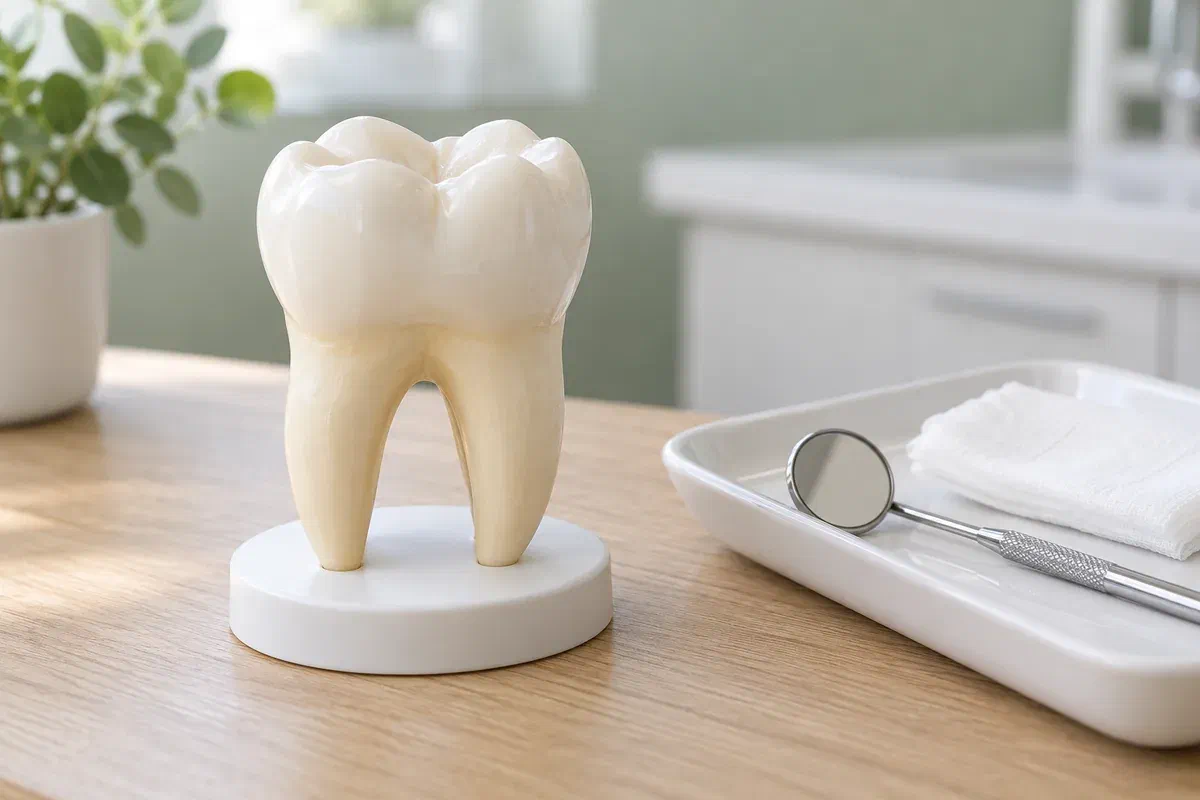
Illustrative two-root molar teaching model beside a dental mirror and gauze
Why older teeth can need a surgical approach

Brittle teeth, old repairs, and a fuller medical history.

Imaging and a clinical examination explain the dental picture. Ask the clinician to describe what they see in plain language, and how it affects the method and the risks for this particular person.

Little left above the gum

Teeth that have worn or broken down over decades may leave only roots, sometimes covered by gum or bone. The clinician considers the position and the reason for removal before deciding how to reach them. A root that is hard to see is not automatically one that must come out.

Fragile tooth structure and older restorations

Large fillings, crowns and root canal treatment from years ago can leave teeth brittle, and roots may be curved or firmly anchored. Sectioning the tooth is often planned. Ask what the clinician anticipates, and how they would adapt if more is discovered during the procedure.

Health conditions, medicines and nearby anatomy

Heart conditions, diabetes, bone medicines, blood thinners and other prescriptions can affect preparation and healing. Nerves, the sinus and neighbouring teeth or bridges influence the risks and any referral. A complete, up-to-date list helps the clinician say what truly matters.

Please do not stop or skip a parent’s blood thinner or other medicine ahead of the procedure. The treating clinician looks over the full history and coordinates any change with the physician or pharmacist responsible.

Why careful planning matters with older adults

Clear decisions, safer preparation and a calmer recovery.

When the technique, the setting and the support are planned in advance, there is less to manage on the day and afterwards. Ask what the assessment showed and why the approach suits this tooth and this person. Risk explanations should be relevant to their health, giving you both something meaningful to weigh rather than an alarming list.

Think about what follows too. Removing a tooth can affect a denture, a bridge or how comfortably someone chews. Sometimes the extraction is part of a wider restorative plan; sometimes it simply ends recurring trouble. Ask whether adjustment, replacement or monitoring is expected, and what should be arranged beforehand.

Patient information: Liverpool University Dental Hospital — surgical removal of teeth or roots

A reason everyone understands

Ask what the extraction will resolve and why keeping the tooth is not suitable or is less appropriate. The explanation should cover the expected benefit and what waiting or declining could mean. Make sure the person having treatment understands and agrees, since consent is theirs to give.

Comfort that accounts for age and health

Talk about local anaesthetic, anxiety, past experiences and any needs around hearing, mobility or memory. A surgical extraction does not automatically mean general anaesthesia. If another setting is advised, ask about its assessment, transport, escort and preparation requirements.

Support at home after the procedure

Ask about soft foods, rest, medicines, denture wear and who to call. Healing varies with the procedure and the person. A useful plan helps the family know what to expect, and which symptoms should prompt a call rather than waiting.

What the visits involve

A steady pace, with time for questions at each stage.

Bring questions written down so nothing is forgotten, and agree on a simple signal for a pause. Any preparation advice comes from the treating provider and must reflect the anaesthetic and the person’s medical needs.

  1. Review the tooth, the images and the medical picture

    The clinician examines the area, considers appropriate imaging and goes through health conditions and medicines. Ask about the expected approach, specific risks and whether referral is advisable. Check whether a doctor’s input, further records or other treatment is needed first.

  2. Consent, comfort and practical arrangements

    The provider explains the planned treatment and reasonable alternatives, and the patient gives consent. Local anaesthetic and any additional arrangements assessed as appropriate are discussed. Encourage your parent to signal if anything feels sharp or they need a break.

  3. Removal with the access the tooth needs

    Following the plan and findings, gum may be raised, bone removed or the tooth divided. Pressure and vibration are normal sensations even when numb. Before finishing, the clinician manages the site and judges whether sutures are appropriate.

  4. Instructions for home and a follow-up

    Guidance covers bleeding, cleaning, soft foods, discomfort and activity, and any advice about dentures. It may help for a family member to hear it too. Ask whether sutures need removing and when a review is planned, and confirm who to contact.

Helping at home

Small, practical support makes recovery easier.

Follow the instructions given for this procedure and this person. An older adult’s instructions may differ from a neighbour’s or a friend’s, depending on the surgery, their health and anything extra done on the day, so trust the written plan over general leaflets.

Protect the clot and watch for numbness

Remind them not to touch the site with fingers or tongue. Early advice usually includes no rinsing or spitting on the first day, with gentle cleaning later. Check that hot drinks are cool enough, and watch for lip or cheek biting while numbness lasts.

Keep meals, medicines and dentures on track

Offer soft, comfortable foods and follow the advice on activity and smoking. Pain relief should be used only as recommended, with attention to other medicines and health conditions. Ask whether a denture should be worn or left out, and do not use leftover antibiotics or change prescriptions.

Notice changes and call early

Contact the provider about bleeding that persists, pain that is severe or increasing, swelling that worsens, fever, confusion that seems new, or concerns about sensation. Describe the timing and what has changed. Worsening symptoms should not simply be assumed to be normal healing.

Patient information: UCLH — protecting the site and following extraction aftercare

The choices to talk over together

Save it, remove it with care, or involve a specialist.

The best path depends on the diagnosis, the tooth’s prospects and the person’s overall health. Ask what each option involves, what it cannot do, and what leaving the problem would mean.

When the tooth may reasonably be retained

Keeping the tooth where possible

Restorative work, root canal treatment or gum care may be relevant, depending on the cause. Ask about the outlook, the number of visits and how demanding treatment would be. Some teeth cannot be saved, but the reasons should be clear to the patient and family.

When extraction is advised and extra access is needed

Surgical removal, carefully planned

The clinician explains the method and preparation, including any medical coordination. Ask which steps to expect and how recovery, dentures or later dental needs will be handled. No plan should promise a set duration or the same recovery as someone else.

When medical needs, anatomy or risks point to a different setting

Specialist or hospital-based care

Some older adults are better served by an oral surgeon or a setting with more medical support. Ask what the specialist will review and whether interim care is needed. In certain situations the risks of removal may outweigh the benefits, which needs individual assessment.

Questions families ask

Supporting a parent before and after a surgical extraction.

Write questions down ahead of time and bring the medicine list. The clinician can explain what applies to your parent’s tooth and health.

(905) 876-4488
Can I come into the appointment with my parent?
Usually, yes, if your parent agrees. A family member can help with history, questions and remembering instructions. The patient still makes the decision and gives consent, provided they are able to.
Is age itself a reason not to have a surgical extraction?
Not on its own. General health, medicines and the specific tooth matter more than age. The clinician considers the overall picture and explains whether treatment here, referral or another option is most appropriate.
What happens to a partial denture if a tooth it relies on is removed?
It may need adjusting, adding to or replacing, depending on the design. Ask before the extraction what will happen to the denture and whether it can be worn during healing.
Should we bring the actual medicine bottles or just a list?
An up-to-date list including doses is usually enough, though some people find bringing the bottles easier. Include supplements, eye drops, inhalers and injections, as all can be relevant.
How can we tell if confusion or drowsiness afterwards is a concern?
Ask in advance what to expect from the anaesthetic and any medicines used. New confusion, unusual drowsiness or other sudden changes should be reported promptly, and urgent medical care sought if they are severe.
How should we plan the trip from Rockwood on the day?
Allow time so nobody feels rushed, and ask whether an escort is required for the planned arrangements. Have the after-hours contact details ready before you head home.
Family-centred planning from Rockwood

Come in together, and we will take it one step at a time.

Contact Milton Dental Clinic to book an assessment or to discuss an extraction already recommended for a family member. Bring the medicine list and any images or records, and tell us about symptoms, health conditions and concerns.

The approach and provider are decided by individual assessment. Phone promptly if symptoms are urgent.

Visit Milton Dental Clinic
Unit 1, 342 Bronte St. S, Milton, ON L9T 5B7
Get directions Clinic hours
Monday–Thursday
11am–7pm
Friday–Sunday
By appointment only

Areas we serve

  • Milton
  • Oakville
  • Mississauga
  • Georgetown
  • Halton Hills
  • Acton
  • Campbellville
  • Brampton
  • Burlington
  • Puslinch
  • Rockwood
  • Erin
  • Caledon
  • Etobicoke
  • Old Milton
  • Bronte Meadows
  • Timberlea
  • Dorset Park
  • Dempsey
  • Clarke
  • Beaty
  • Coates
  • Harrison
  • Scott
  • Willmott
  • Ford
  • Bowes
  • Cobden
  • Walker
  • Mountain View
  • Milton Heights
  • Hawthorne Village
  • Valley View
  • Fallingbrook
  • Nassagaweya
  • Trafalgar
  • Esquesing
  • Nelson
  • Brookville
  • Moffat
  • Glen Williams
  • Norval
  • Limehouse
  • Stewarttown
  • Ashgrove
  • Hornby
  • Silver Creek
  • Speyside
  • Scotch Block
  • North Oakville
  • River Oaks
  • Glen Abbey
  • West Oak Trails
  • Palermo
  • Bronte Creek
  • College Park
  • Joshua Creek
  • Uptown Core
  • Preserve
  • Iroquois Ridge
  • Lisgar
  • Meadowvale
  • Meadowvale Village
  • Churchill Meadows
  • Erin Mills
  • Central Erin Mills
  • Streetsville
  • East Credit
  • Creditview
  • Heartland
  • Sheridan
  • Mount Pleasant
  • Credit Valley
  • Huttonville
  • Churchville
  • Springbrook
  • Northwest Brampton
  • Bram West
  • Fletcher's Meadow
  • Fletcher's Creek South
  • Alton Village
  • Orchard
  • Millcroft
  • Headon Forest
  • Tansley
  • Brant Hills
  • Tyandaga
  • Kilbride
  • Lowville
  • Aberfoyle
  • Morriston
  • Arkell
  • Hillsburgh
  • Freelton
  • Carlisle
  • Waterdown
  • Flamborough
  • Mountsberg

How can we help?

Milton Dental Clinic

Have a question about your smile? Choose the option that works best for you.

For urgent dental concerns, please call.
Messages are reviewed during clinic hours.