

Illustrative conversation about a manageable jaw self-care plan
Specialized Care

TMJ Self-Care Guidance in Old Milton

Lived with a jaw click or a stiff morning jaw for years? Revisit the home routine you have built up, check which parts still make sense, and learn which changes in your symptoms should send you back for a proper review.

Old habits, an old click, a fresh look

The routine you have relied on for years deserves a check-up too

Some jaw habits are decades old. You may have avoided apples since a dentist mentioned your joint long ago, or warmed your cheek every evening without remembering why. Self-care for jaw joint and muscle problems is meant to be a handful of practical measures that support comfort and daily function, chosen to fit what has actually been found.

Symptoms can stay the same for years, or they can quietly change. A click that has never hurt is a different matter from one that has started to catch, and soreness after a long meal differs from a jaw that suddenly will not open. If something feels different from the pattern you know, it is worth having it looked at before carrying on as usual.

From Old Milton, our Bronte Street practice is close by for a conversation about what to keep, what to drop and what to watch. Tell us how your routine started, what you do now and whether anything has made the ache worse. The aim is support and a clear way back to care, never a test of how faithfully you follow a list.

Review your jaw routine with us
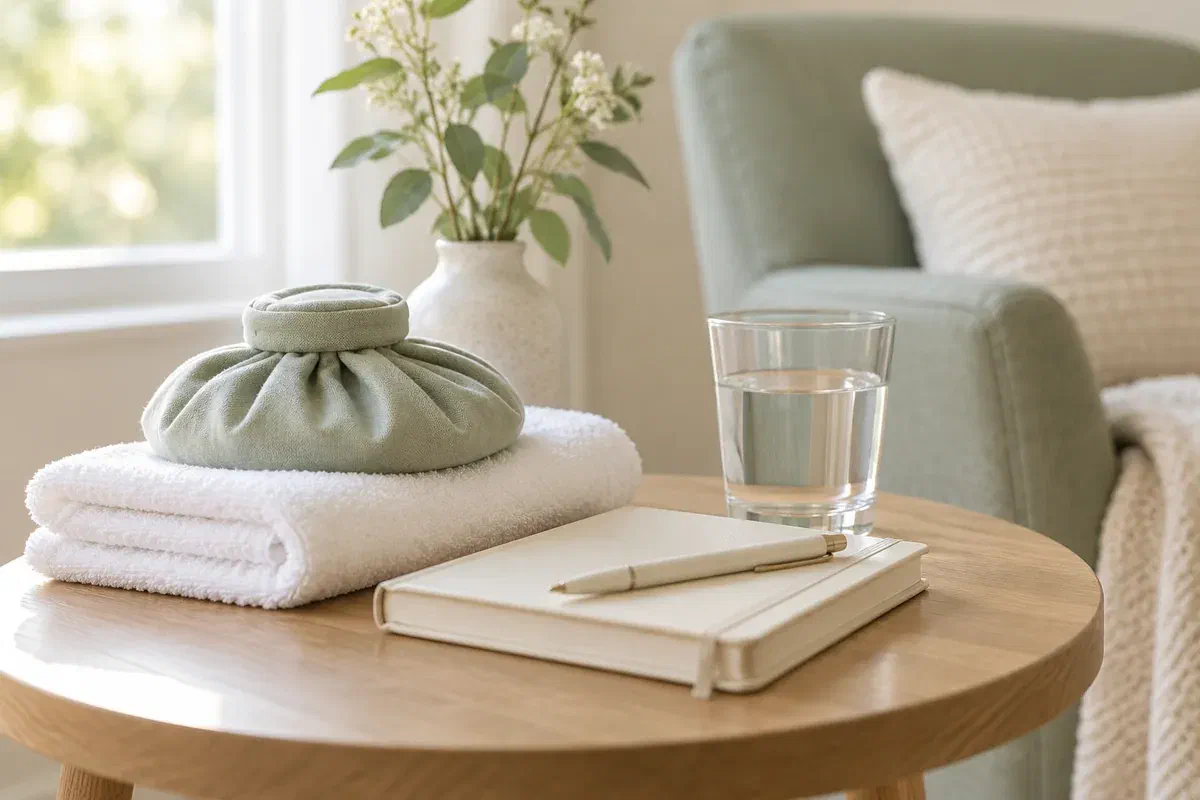
Illustrative covered comfort pack, folded towel, and journal on a home side table
Questions people in Old Milton often bring

Food, habits and half-remembered advice

Choose two or three situations to focus on. Tell us what tends to set off discomfort, which advice you are no longer sure about, and whether your jaw has behaved differently lately.

Certain meals still bother your jaw

Say which foods or chewing styles cause trouble and whether you have been avoiding them for a long time. A short break from tough or chewy food can ease strain, but ask how to keep your diet varied and nourishing. Long-term avoidance is not automatically protective, and many movements you have steered clear of may be fine.

You catch yourself clenching or grinding by day

Holding the teeth together while reading, chewing pens or gum, nail biting and pressing your teeth to test the bite can all add load. Advice usually aims at noticing the habit and replacing it with something easier. You should not need to watch your jaw all day or hold it rigidly apart.

You have collected exercises from several places

Bring old handouts or describe the stretches you do, especially any that leave you sorer. Movements suited to one condition may not suit another, and earlier advice may no longer fit. Ask to be shown what is right for you now rather than continuing a mix of routines from different decades.

Get professional advice for a jaw that locks open or closed, an inability to eat or drink, obvious swelling, fever, or symptoms after a fall or blow. A familiar home routine is not a reason to wait on something new or worsening.

Why an Old Milton refresh is worthwhile

Fewer steps, each with a purpose you can name

Over time, home routines tend to grow. A guided review can trim yours down to the measures that matter for your current findings, with a clear reason for each. Ask whether a step is meant for flare-ups, for an everyday habit, or for one movement you find difficult, and whether it still serves that purpose.

Review works both ways. If a measure has become a chore, or you never quite understood it, that is useful to hear. Mention how meals, hobbies, sleep and caring for others fit into your week, so the plan suits the life you have now and the next visit can look at real changes in how your jaw functions.

Patient information: NIDCR — conservative and self-management approaches for TMD

A gentler load on the jaw without giving up normal life

Your clinician can separate activities worth adjusting from ordinary movements you can keep doing comfortably. Ask about temporary changes for a bad week and how to return to your normal pattern. Reducing avoidable strain does not mean keeping the jaw still or eating soft food indefinitely.

Clear directions for comfort and movement measures

If a warm pack, massage or exercise is recommended, ask how to do it, for how long and what should make you stop. Watching it demonstrated helps you check your understanding. General advice is not a reason to stretch forcefully or repeat a routine without limit.

Follow-up that takes lingering symptoms seriously

Agree when progress will be reviewed and which changes need an earlier call. If symptoms hang around, the answer may be a closer examination or a different approach. Home care should never be used to dismiss pain that continues, and struggling with a routine does not make your concern smaller.

What a review visit covers

Look back, sort the routine, then practise what stays

Guidance is most useful when its reason is clear. Ask whether you need an examination first, especially if your symptoms are recent, have changed, or differ from what you were treated for before.

  1. Share the history and what is different now

    Explain what was assessed in the past, what you were told and how things have changed. The clinician decides whether advice can be given now or whether the jaw should be examined first. Mention any appliance, medicine, exercise programme or other care that could affect the plan.

  2. Sort the routine into keep, change and stop

    Talk through meals, work or hobbies, habits, sleep and the moments that feel uncomfortable. Agree on a few priorities instead of a long list of restrictions. Ask how to make each change in a way that feels natural and does not create new tension.

  3. Practise the measures that remain

    Go over any advice on resting jaw position, comfort measures or gentle movement. Try the technique with the clinician watching if that helps, and confirm what you should feel. Know when to stop; increased pain is not proof that an exercise is working.

  4. Set a review point and a reason to call sooner

    Decide what a useful improvement would be, when to return and which symptoms mean contacting us earlier. A few notes about eating, talking and opening may be all the next visit needs. If the plan is not helping, that should lead to reassessment, not to a longer routine done alone.

Keeping the routine kind to your jaw

Soft where it helps, warm where advised, and never forced

Follow the version of the plan agreed with you. If our advice conflicts with what another provider has told you, or with how you wear an appliance, ask before changing either.

Time-limited changes to food and habits

During a sore spell, softer textures or smaller pieces may make meals easier, and easing off gum or nail biting may reduce unnecessary load. Ask how long the change should last. If you are struggling to eat or drink enough, seek advice rather than restricting your diet further.

Comfort packs used with a cloth and a time limit

When a warm or cool pack is suggested, wrap it and keep to the recommended time. Avoid ice directly on the skin, very hot packs and falling asleep with one in place. Stop if your skin reacts or the pain grows, and ask for specific advice if sensation or skin health is reduced.

Movement kept to what was demonstrated

Use the technique as shown and stay within the limits you were given. Skip wide forced opening, jaw-shifting drills and added resistance, however tempting faster progress sounds. If something increases pain or brings on locking, stop and contact your provider.

Patient information: NHS — conservative comfort measures for temporomandibular symptoms

Choosing the next step

Carry on, adjust, or widen the search?

Home care is one part of looking after your jaw. Ask what would support continuing as you are, and what would make a fuller assessment a better choice than another exercise or device.

When your findings still support self-care

Continue a small set of conservative measures

A few well-chosen steps may remain the right approach, with clear instructions and a review. Ask which ones matter most and how they relate to what you want to be able to do. The plan should feel manageable, with no promise that a particular routine will clear every symptom.

When the routine is difficult or symptoms persist

Change the plan or add guided therapy

The clinician may revise the advice or suggest another provider, such as a physiotherapist experienced with jaw problems, where appropriate. Ask what the change is meant to improve. More exercises are not automatically better, and a new assessment may be wiser than a heavier routine.

When symptoms shift or the cause is unclear

Look further with dental, medical or specialist input

When pain lingers, opening becomes more limited, or the picture no longer fits the original explanation, a broader review makes sense. Ask what question is being explored and what to continue meanwhile. A routine that has not worked does not mean permanent bite changes or surgery are needed.

Questions about long-standing jaw symptoms

What to keep doing, what to stop, and what to report

Clear advice is easy to follow and easy to revisit. Bring any step that seems out of date, uncomfortable or hard to fit into your week.

(905) 876-4488
I have had a jaw click for twenty years. Does it need treatment now?
A click that has never been painful often needs no treatment. What matters is change: new pain, catching, locking or difficulty opening should be assessed. Mention how long the sound has been there and whether it behaves differently, so the clinician can judge whether anything needs attention.
Is old advice from a previous dentist still worth following?
It may be, but findings and circumstances change. Bring what you remember or any written instructions, and ask whether each step still fits. Some measures were meant to be temporary, and others may need adjusting for a new appliance, medicine or health condition.
Could my dentures or a new crown affect my jaw comfort?
Changes to how your teeth meet can sometimes be noticeable to the jaw, and loose or uncomfortable dentures can affect chewing. Mention any recent dental work or prosthesis when you describe your symptoms. The clinician can check the fit and the bite rather than you adjusting how you chew on your own.
Should I avoid hard foods for good to protect the joint?
Not usually. Short-term changes can help during an uncomfortable period, but ask how long they are meant to last and how to return to a fuller diet. If pain stops you eating or drinking enough, contact a professional rather than narrowing your diet further.
Is gentle jaw massage something I can do safely at home?
Light massage of the cheek and temple muscles is sometimes suggested, but ask to be shown the area, pressure and duration that suit you. Stop if it increases pain. Do not press hard on the joint itself or use massage to work through a jaw that is locked or swollen.
My long-time routine has stopped helping. What now?
That is a reason for review, not a sign you have failed. Describe what you have been doing, what changed and how your jaw responds. The plan may need adjusting, extra support or a fresh look at the cause before anything else is added.
Jaw self-care for Old Milton

Bring the routine you have. Leave with one that fits.

Call Milton Dental Clinic to review home care for a jaw joint or muscle concern. Let us know what has been assessed before and what you have been doing, especially if a habit or exercise now seems to increase discomfort or your symptoms have changed.

Self-care supports professional assessment and should be revisited if symptoms persist, worsen or change.

Visit Milton Dental Clinic
Unit 1, 342 Bronte St. S, Milton, ON L9T 5B7
Get directions Clinic hours
Monday–Thursday
11am–7pm
Friday–Sunday
By appointment only

Areas we serve

  • Milton
  • Oakville
  • Mississauga
  • Georgetown
  • Halton Hills
  • Acton
  • Campbellville
  • Brampton
  • Burlington
  • Puslinch
  • Rockwood
  • Erin
  • Caledon
  • Etobicoke
  • Old Milton
  • Bronte Meadows
  • Timberlea
  • Dorset Park
  • Dempsey
  • Clarke
  • Beaty
  • Coates
  • Harrison
  • Scott
  • Willmott
  • Ford
  • Bowes
  • Cobden
  • Walker
  • Mountain View
  • Milton Heights
  • Hawthorne Village
  • Valley View
  • Fallingbrook
  • Nassagaweya
  • Trafalgar
  • Esquesing
  • Nelson
  • Brookville
  • Moffat
  • Glen Williams
  • Norval
  • Limehouse
  • Stewarttown
  • Ashgrove
  • Hornby
  • Silver Creek
  • Speyside
  • Scotch Block
  • North Oakville
  • River Oaks
  • Glen Abbey
  • West Oak Trails
  • Palermo
  • Bronte Creek
  • College Park
  • Joshua Creek
  • Uptown Core
  • Preserve
  • Iroquois Ridge
  • Lisgar
  • Meadowvale
  • Meadowvale Village
  • Churchill Meadows
  • Erin Mills
  • Central Erin Mills
  • Streetsville
  • East Credit
  • Creditview
  • Heartland
  • Sheridan
  • Mount Pleasant
  • Credit Valley
  • Huttonville
  • Churchville
  • Springbrook
  • Northwest Brampton
  • Bram West
  • Fletcher's Meadow
  • Fletcher's Creek South
  • Alton Village
  • Orchard
  • Millcroft
  • Headon Forest
  • Tansley
  • Brant Hills
  • Tyandaga
  • Kilbride
  • Lowville
  • Aberfoyle
  • Morriston
  • Arkell
  • Hillsburgh
  • Freelton
  • Carlisle
  • Waterdown
  • Flamborough
  • Mountsberg

How can we help?

Milton Dental Clinic

Have a question about your smile? Choose the option that works best for you.

For urgent dental concerns, please call.
Messages are reviewed during clinic hours.